
Reviewed · GANGSTER & MOB TOURS
Chicago: Mobsters and Movies Walking Tour
Chicago gets stranger when you walk. This 2-in-1 tour pairs true crime facts with real movie locations so the streets of downtown feel both dangerous and cinematic.
I especially like the chance to go inside actual spaces where mob activity and Hollywood production once happened, not just look at buildings from the sidewalk. I also love the way the route ties specific films and scenes to Chicago history, from Ferris Bueller’s Day Off to The Fugitive to superhero blockbuster vibes from The Dark Knight.
One heads up: the tour is wheelchair accessible, but there is no transportation and no mobility devices provided, so you will want to plan for how you navigate on your own.
In This Review
- Key moments you will actually remember
- Meeting at Chase Bank, then straight to the Riverwalk
- Capone, Dillinger, and movie magic along the downtown corridor
- Underground Outfit tunnels and Dillinger’s last visit story
- The Picasso statue, plus scenes from The Fugitive, Ferris Bueller, and more
- How the Art Institute area connects to crimes and film-used art
- Finishing at The Untouchables climax spot inside the former Chicago Public Library
- Price, time on your feet, and who this tour fits best
- Should you book Mobsters and Movies?
- FAQ
- How long is the Mobsters and Movies walking tour?
- Where do I meet the guide?
- What is included with the ticket?
- Is the tour wheelchair accessible?
- Which true crime figures and films are part of the route?
- Is the tour suitable if I have a cold?
- Can I cancel for a refund or reserve without paying yet?
Key moments you will actually remember
- Real mob interiors plus movie-set streets, so it is not just trivia on a curb
- Trained historian guides who also know film, so the stories connect
- Outfit tunnels and the last-known stop tied to John Dillinger and his girlfriend
- Picasso statue and downtown corridors used in multiple famous movies
- The Untouchables climax location, then an interior finish at the former Chicago Public Library
Still curious about Capone's Chicago?
Meeting at Chase Bank, then straight to the Riverwalk
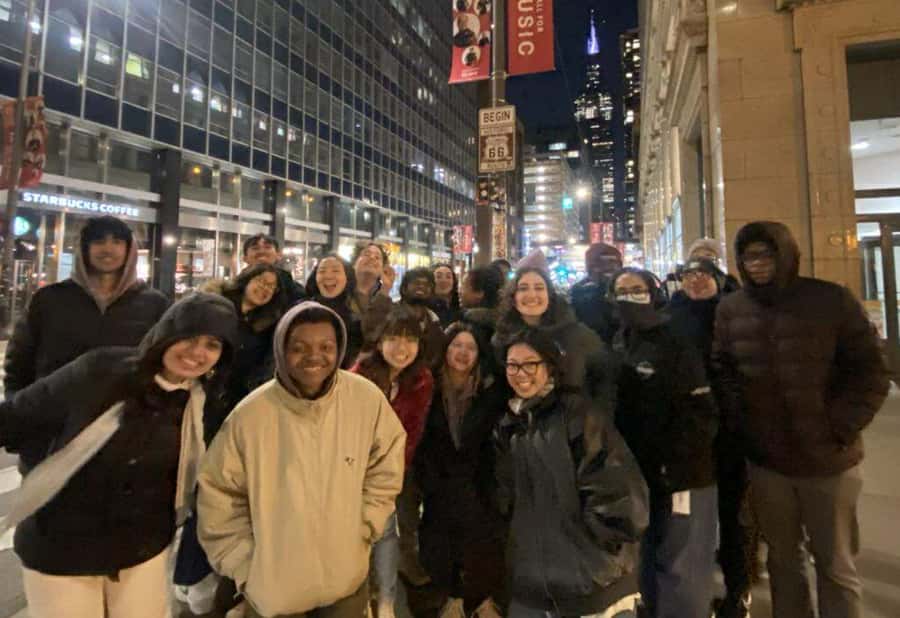
You start at the Chase Bank corner of State and Wacker, a pretty practical meetup if you are already working your way around downtown Chicago. From there, the tour moves toward the Chicago Riverwalk, which helps you get oriented quickly before the stories get darker.
I like the pacing right from the start. You are not stuck for 20 minutes listening to background while standing in one spot. You walk, you look up at the skyline, then the guide threads the real crime history into the same downtown views you came to see.
Also, the format works well for time-crunched visitors. With a 2-hour duration, you get a complete story arc without feeling like you need a full afternoon to make it happen.
Capone, Dillinger, and movie magic along the downtown corridor
The route is built around a specific idea: the same streets that served as a power corridor for gangsters later became a filming corridor for Hollywood. That theme keeps your attention, because every stop has a dual purpose.
You will hear about major figures tied to Chicago’s mob era, with names like Al Capone and John Dillinger showing up as the tour progresses. You also get The Outfit in the mix, which matters because it shifts the focus from one celebrity criminal to how organized power worked in the city.
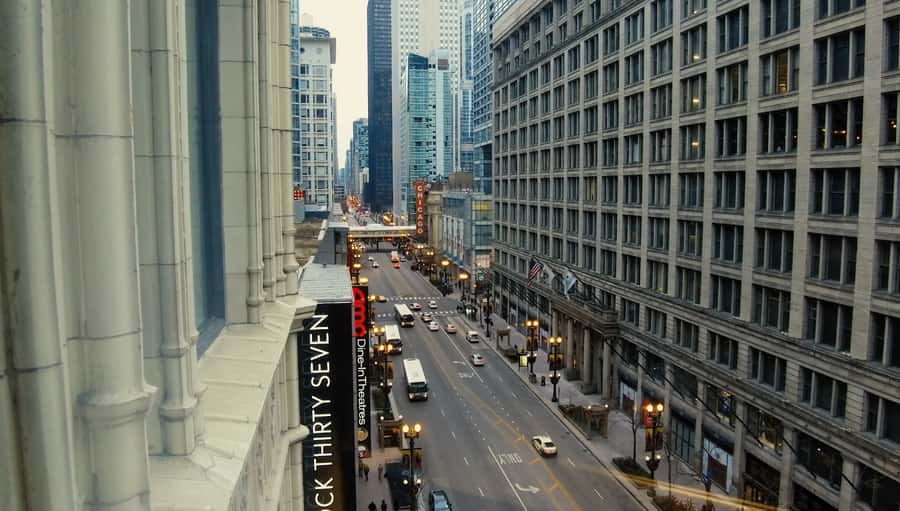
As you move along the downtown streets near the Riverwalk and the business district, you also pick up the film layer. This is where Chicago starts to feel like a production set. Locations used for The Dark Knight and The Untouchables appear alongside places connected to The Fugitive and The Blues Brothers, depending on where you are on the route.
You do not just get a list of titles, you get the “why Chicago, why this street” explanation. For me, that makes the movie references more than fan-bait. They become a way to read the city.
Underground Outfit tunnels and Dillinger’s last visit story
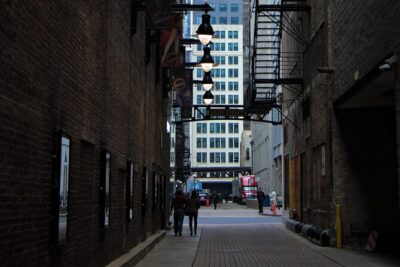
One of the most memorable parts of this tour is the underground stop tied to the Chicago Outfit. Chicago has a lot of hidden infrastructure, and this adds a true crime layer you cannot see on a normal stroll.
You will also visit a site connected to John Dillinger seeing his girlfriend for the very last time. That detail lands hard because it is specific, not vague. A tour that keeps things general can feel like it is circling the same idea. Here, the story has a concrete beat that anchors your imagination.
Even if true crime is not your usual hobby, this portion helps you understand something important. Chicago crime history is not just about headlines. It is about movement, meeting points, and control of access.
And since this is a walking tour with real city stops, it also avoids a common problem with true crime. You do not get trapped in a studio-style lecture where everything is abstract. You are looking at a real corridor while the guide explains what happened there.
The Picasso statue, plus scenes from The Fugitive, Ferris Bueller, and more
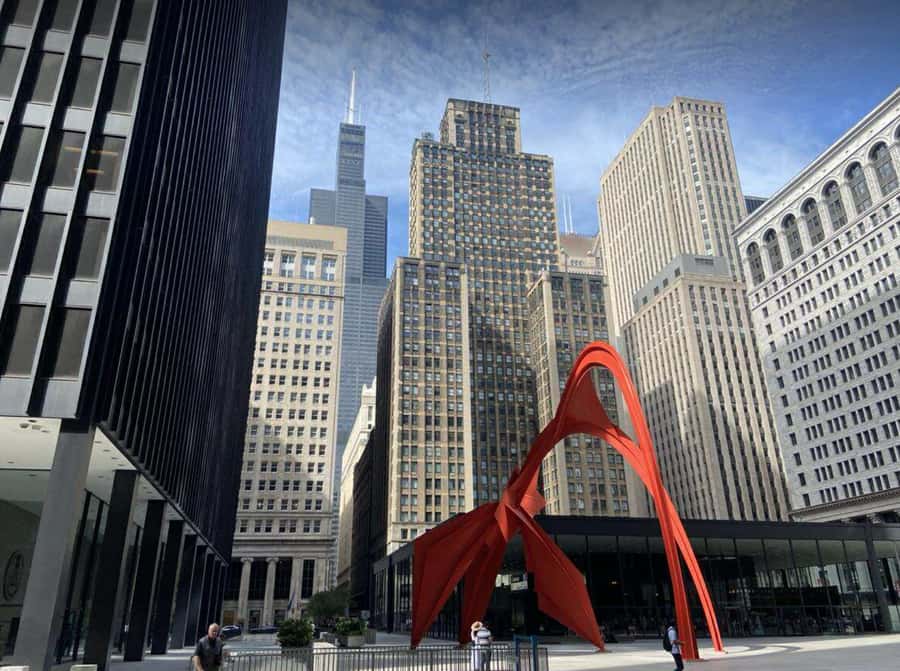
Downtown Chicago loves symbolism, and the Picasso statue shows up as more than an art object on this route. The tour treats it as a filming location, and the guide connects it to famous Chicago movie scenes.
This is a fun section if you are even a casual film person. You are likely to recognize the emotional tone of the films even if you do not know every filming detail. The guide then gives you enough context to see the street like a director would.
You also revisit scenes from The Fugitive, The Blues Brothers, and Ferris Bueller’s Day Off while exploring the corridor. That matters because it turns what could be a “spot and move on” visit into a moment where you can mentally place the camera.
I like that the tour shifts between comedy, action, and thriller energy without losing the thread of Chicago history. It keeps the walking pace lively, and it prevents the story from turning into one long grim march.
If you are worried it will be too movie-nerdy, you should relax. The guide frames the films as evidence of how Hollywood borrowed Chicago’s real shape and grain. You end up with a better read on the city, not just movie trivia.
How the Art Institute area connects to crimes and film-used art
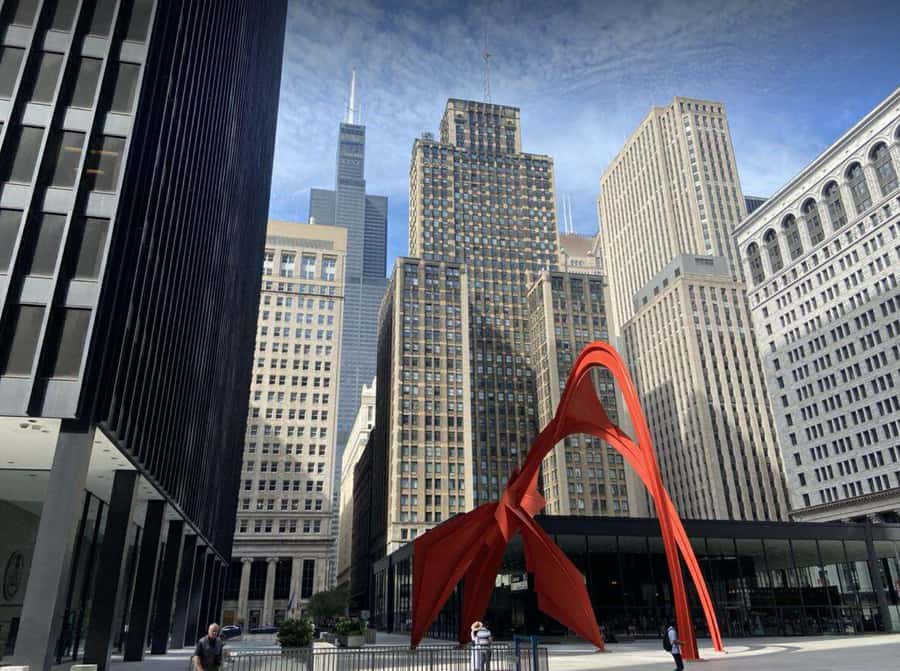
Another strong part of the experience is the way the tour ties in the Art Institute and the city’s cultural mile. You hear about the history of the Art Institute and how this whole area connects to some of Chicago’s most famous crimes.
This is also where the tour becomes useful for your day after the tour. The guide talks about how to make the most out of a visit to the Art Institute and points you toward art pieces that were used in famous movies.
Even if you plan to skip museum time today, I think this portion still helps you. It teaches you how Chicago’s identity gets built from art, architecture, and storytelling all at once. And it gives you ideas for what to seek if you do decide to go inside later.
For practical travelers, this is the sweet spot: you finish the tour with a clear next step. You do not leave wondering what to do with the rest of your Chicago day.
A few more ways to spend a day in Chicago
- Chicago Favorites Ultimate Food and Walking Tour★ 5.0 · 1,962 reviews
- Chicago in a Day: Food, History & Architecture Walking Tour★ 5.0 · 1,153 reviews
- Chicago’s Secret Interiors Architectural Walking Tour★ 5.0 · 635 reviews
- Chicago’s Chinatown Food and Walking Tour★ 5.0 · 600 reviews
- Chicago: Secret Interiors Architecture Walking Tour★ 4.9 · 498 reviews
Finishing at The Untouchables climax spot inside the former Chicago Public Library
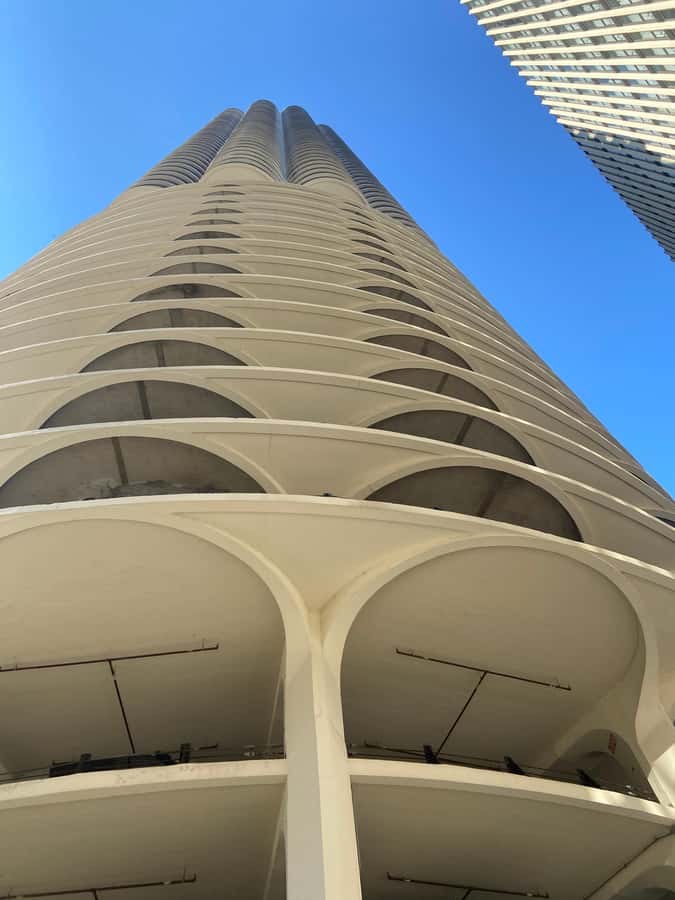
The tour ends at a filming location for a climactic scene from The Untouchables, which is a satisfying payoff. It is a strong “close the loop” moment because it pulls together the earlier theme of Chicago streets becoming movie sets.
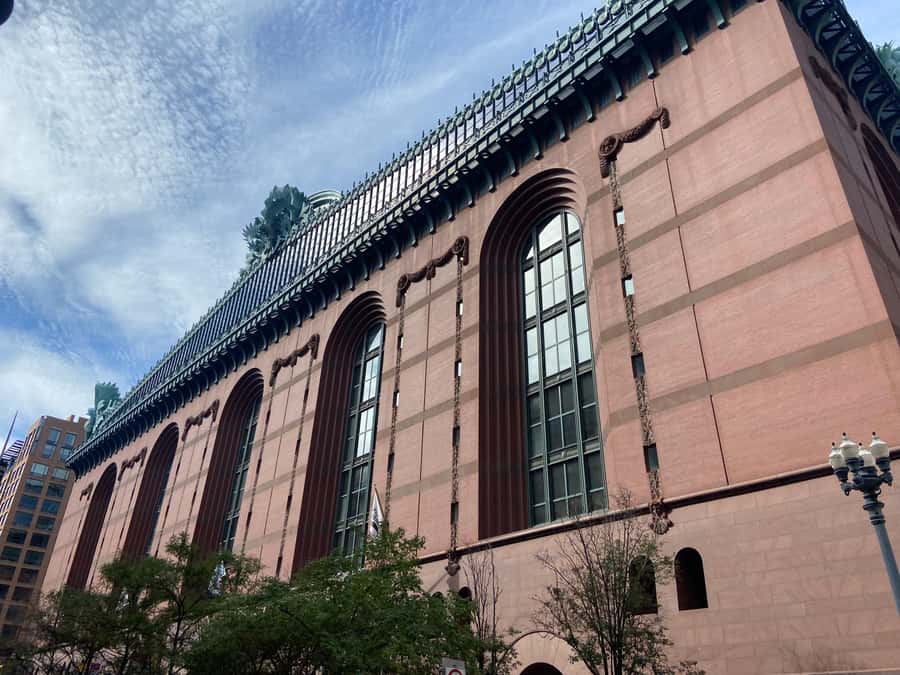
After that, the experience moves inside the former Chicago Public Library. This is where you get serious architectural reward. The highlight is the largest Tiffany glass dome in the world, along with other art exhibits inside the building.
This ending works on two levels. First, it gives your feet a rest after the walking portion. Second, it reinforces the idea that Chicago is a city where power and culture occupy the same spaces. You are finishing in a place that feels grand and civic, not just gritty.
I also like that the tour does not pretend it is only about crime. The building finish makes it clear the city’s story is broader, and the mob chapter is just one layer of a much larger Chicago identity.
If you like architecture as much as you like movies, this ending is a big reason to book.
Price, time on your feet, and who this tour fits best
At $35 per person for a 2-hour tour, this is priced like an experience that wants to stay focused. You are not buying a long day. You are buying a tight route with multiple story beats, plus interior access points.
The value comes from two places. One, you are getting trained historian tour guides who also work as film buffs and Chicago insiders, so the explanations connect rather than separate. Two, you get souvenir photos included, which adds a small but real “you did the thing” keepsake without extra planning.
The tour is live, in English, and usually available in the afternoon. That timing is helpful if you want to see downtown in daylight, then shift into museum time or dinner later.
Who should book?
- You want a downtown walking experience that mixes crime stories with well-known movie references.
- You like guided interpretation, not just self-guided sightseeing.
- You have even a mild interest in films like The Dark Knight, The Fugitive, The Blues Brothers, Ferris Bueller’s Day Off, and The Untouchables.
Who might skip it?
If you get worn out by walking through busy downtown blocks, check your comfort level first. And if you are the type who hates true crime topics, the tour’s theme will be the whole point, not a side flavor.
Should you book Mobsters and Movies?
I think this is a smart choice if you want your Chicago to feel cinematic and grounded at the same time. The best reason to book is the structure: real mob locations and interiors are paired with film locations so you get a two-layer way to understand the city.
If you enjoy true crime, the guide approach helps keep it from becoming sensational. If you enjoy movies, the routing makes the film references feel practical, because you stand where scenes were filmed and connect that to real Chicago history.
If your goal is only to tick off landmarks fast, you might prefer a pure architecture or pure museum plan. But if you want one tour that gives you both story and scene, this is a solid bet for a 2-hour slot.
FAQ
How long is the Mobsters and Movies walking tour?
The tour lasts 2 hours.
Where do I meet the guide?
You meet at Chase Bank, at the corner of State and Wacker.
What is included with the ticket?
The ticket includes souvenir photos and tour guides described as trained historians.
Is the tour wheelchair accessible?
Yes, the tour is wheelchair and ADA accessible. The tour notes that no transportation or mobility devices are provided.
Which true crime figures and films are part of the route?
The tour includes stories connected to Al Capone and the mafia, plus John Dillinger and The Outfit. Movie locations mentioned include The Dark Knight, The Fugitive, The Blues Brothers, Ferris Bueller’s Day Off, and The Untouchables.
Is the tour suitable if I have a cold?
No, it is not suitable for people with a cold.
Can I cancel for a refund or reserve without paying yet?
Yes. The tour offers free cancellation up to 24 hours in advance for a full refund. It also offers reserve now & pay later, where you can book your spot and pay nothing today.
Just Added
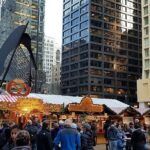
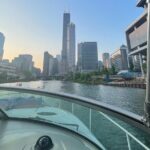
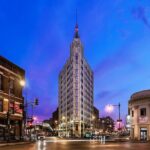



Gangster & Mob Tours, compared.
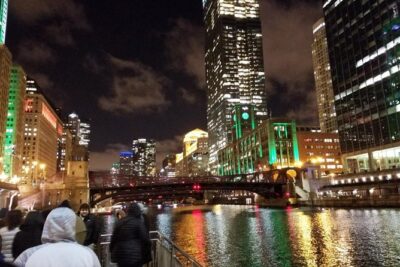
Prohibition Speakeasies Bus Tour or Walking Tour
Read our review →Browse the lists this tour appears in