
Reviewed · HISTORICAL TOURS
Wicker Park Walking Tour History Trivia and Local Flavors
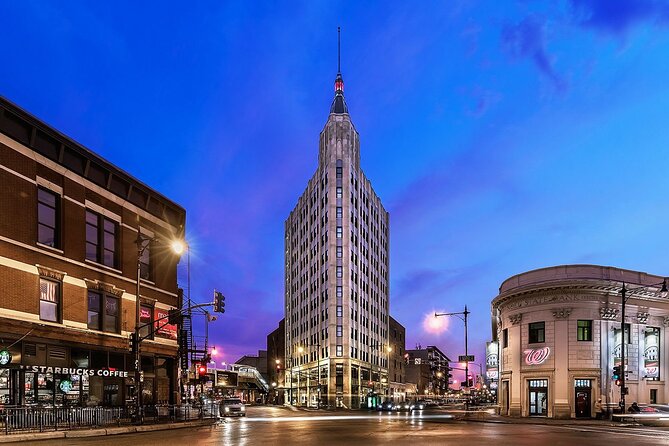
Wicker Park history can be fun, not stuffy. This walk threads Polish Triangle culture with performance spaces like Den Theatre, then wraps it all in an old school trivia game led by Mitch. I like that the route feels designed for discovery, not just moving from sign to sign, and the ending lands you in a real neighborhood hangout.
You also get a tight group size, up to 15 people, and a manageable loop that usually lands between one and a half and two hours. You start at Polish Triangle, then finish at The Robey Hotel in the Clever Coyote lounge on the second floor, with a mobile ticket that keeps things simple.
One thing to consider: it is a walking tour with moderate fitness needs. If you hate pacing, plan for comfortable shoes and a slower partner if you have one.
In This Review
- Key highlights worth showing up for
- Why this Wicker Park walk feels like a neighborhood game night
- Price and what $40 buys you in real value
- How the Polish Triangle start sets the tone fast
- The performing arts stop, theater plus music plus film plus books
- Den Theatre: comedy in a two hundred seat room and a bar plus lounge
- The loft style games and spirits stop that matches the vibe
- Wicker Park park stop: the old Northwest corner of Chicago
- The historic cannon sighting near a private residence
- Ending at The Robey and Clever Coyote on the second floor
- Practical logistics that actually matter on foot
- Who should book this and who should consider skipping
- Should you book this Wicker Park history trivia walk?
- FAQ
- How long is the Wicker Park Walking Tour?
- How much does it cost?
- Where does the tour start and end?
- Is the ticket mobile or do I need to print it?
- Is Den Theatre admission included?
- Is Wicker Park admission included?
- How many people are in each tour?
Key highlights worth showing up for
- Mitch runs the trivia game, and it makes the neighborhood story easier to remember
- Polish Triangle stops connect you to Chicago’s Polish community and local culture
- Den Theatre is a two hundred seat comedy room, with a bar and lounge
- Wicker Park’s park stop ties into the city’s older corners and changing map
- A historic cannon at a nearby private residence adds a very local, see-it-for-yourself moment
- The Robey finish at Clever Coyote gives you a natural place to unwind after the walk
A few more ways to spend a day in Chicago
Why this Wicker Park walk feels like a neighborhood game night
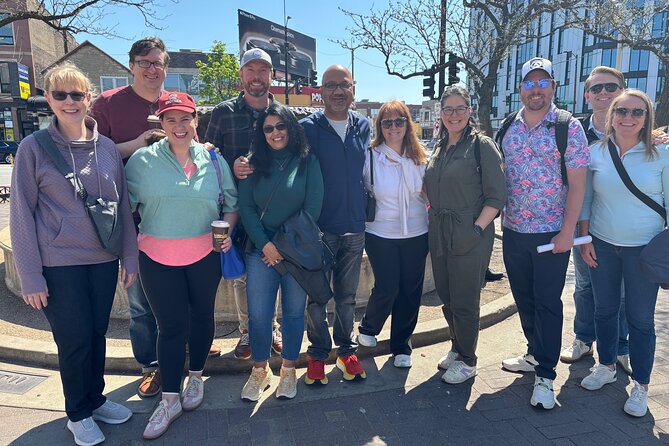
If you like tours where you actually participate, you will probably enjoy this one. The format leans on trivia and quick stops, so you are not just listening for ninety minutes. Mitch brings the history through stories and prompts, and that trivia game approach helps facts stick.
The vibe is also hands on in the best way. You pause at places tied to Polish Chicago, the performing arts scene, and local gathering spots, then you keep moving. You get little “wait, that is in Chicago?” moments, like the historic cannon sighting, which is the kind of detail you miss when you are sightseeing on your own.
And because the group tops out at fifteen people, the energy stays friendly. You can still ask questions, and you are not stuck in a giant herd.
Price and what $40 buys you in real value
At forty dollars per person, this is not a cheap stroll, but it also does not feel overpriced for what you get. You are paying for guided context plus access touches at key stops, including free entry at Den Theatre and the Wicker Park park stop.
It helps that the tour is built around multiple themes, not one museum building. You visit cultural and arts institutions, then you land in a nightlife flavored setting at the end. That variety spreads your ticket value across different parts of Wicker Park and nearby areas, instead of locking it all into one long indoor stop.
Timing matters too. The tour is often booked about forty seven days in advance on average, so if you want a specific date, I would not wait until the last minute.
How the Polish Triangle start sets the tone fast
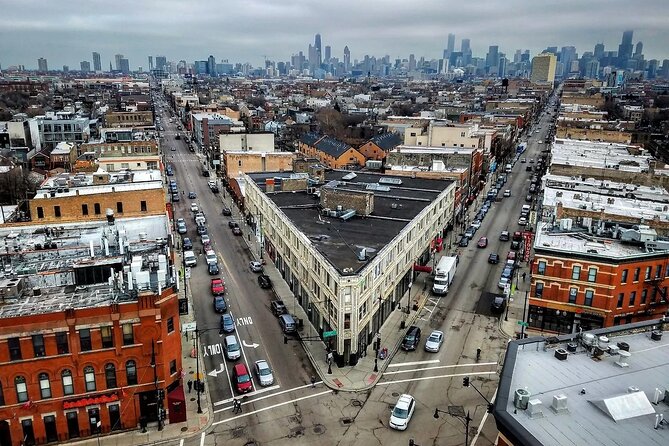
Your meeting point is Polish Triangle at 1204 N Milwaukee Ave. That matters because this neighborhood is not just “Chicago in general.” It is Chicago with a specific community story, and that first stop frames how the rest of the walk will read.
The first stop is a historic cultural center for the Polish population of Chicago. Even if you know only a little, you get a sense of how immigrant communities shaped where people lived, what they built, and what traditions they carried forward. This is where the tour’s tone becomes clear: history here is local, not abstract.
Practical tip: show up on time and take a quick look around before you start walking. The area has enough character that you will pick up more from the guide’s cues.
The performing arts stop, theater plus music plus film plus books
After the Polish Triangle focus, the route moves to a historic independent organization that produces theater, music, film, and literary events on multiple stages. This stop is short in walking time, but it adds a big layer: Wicker Park’s identity has always been tied to people creating culture, not just people consuming it.
What I like about this part is the way it broadens your lens. You are not just learning about buildings. You are learning how the neighborhood supports the arts in different formats, from stage work to screen and readings.
If you are the kind of person who likes to understand why an area feels the way it does, this is a good moment to pay attention. The guide’s explanations help connect the dots between the arts scene and the people who stick around for decades.
Den Theatre: comedy in a two hundred seat room and a bar plus lounge
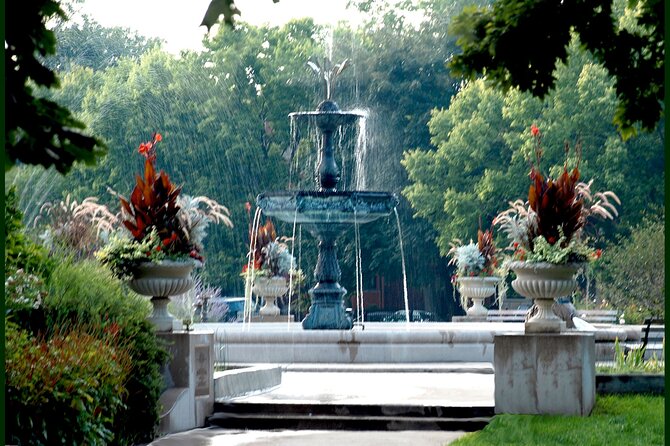
Next you hit The Den Theatre. This is a live comedy and performances venue in a two hundred seat theater, plus a bar and a lounge. The stop runs about ten minutes, and admission there is ticket free.
Even on a short stop, this venue helps you feel how the neighborhood entertains itself. Comedy spaces are social by nature, and the fact that there is both a bar and a lounge means it is not only about what happens on stage. It is also about meeting people before and after.
If comedy is not your main interest, you can still enjoy the stop. The bigger win is the atmosphere plus the way it shows how Wicker Park keeps a strong public-facing creative culture.
Beyond the skyline, the neighborhoods have their own tours and their own stories.
- Chicago Architecture River Cruise★ 5.0 · 15,756 reviews
- Chicago River 90-Minute Architecture Tour★ 4.5 · 9,629 reviews
- Chicago River: 1.5-Hour Guided Architecture Cruise★ 4.8 · 8,046 reviews
- Chicago: Gangsters and Ghosts Walking Tour★ 5.0 · 7,155 reviews
- Chicago Architecture Center River Cruise aboard First Lady★ 5.0 · 5,536 reviews
The loft style games and spirits stop that matches the vibe
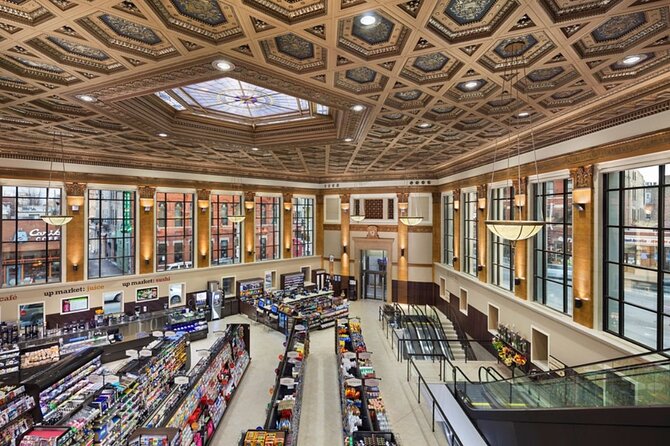
One of the tour’s most memorable thematic details is the loft style setting with vaulted ceilings. You get a look at a place with decades of games, dozens of beers, and more than sixty whiskeys.
The important thing to know is that this stop feels like a bridge between daytime history and evening neighborhood life. It is less about formal sightseeing and more about understanding the local hangout culture. If you like places where people linger, this is the moment you will probably smile at.
You might not get a long lesson here, but the setting itself communicates something valuable: Wicker Park has long supported spaces where people gather for conversation, games, and drinks. That is part of why the neighborhood feels like it does.
Wicker Park park stop: the old Northwest corner of Chicago
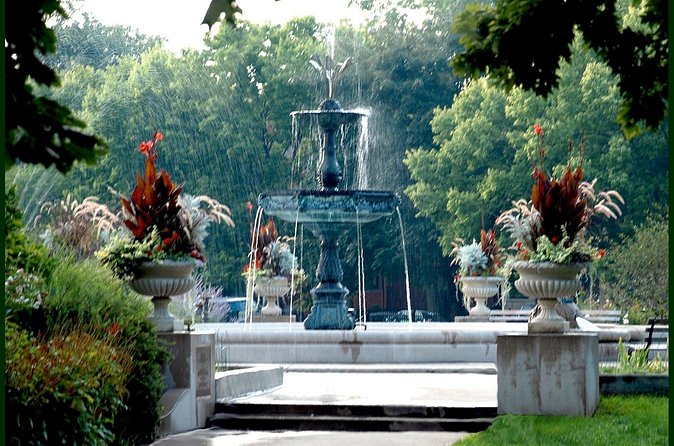
Then you reach Wicker Park, a historic Chicago park. The tour frames it at the spot that was once the northwest corner of the city, and you spend about fifteen minutes there with admission that is ticket free.
This is a great stop for anyone who likes maps and change over time. Parks are often where cities leave their “soft history,” and this one gives you a sense of how the city boundary shifted. In other words, you are not only looking at green space. You are looking at a piece of Chicago’s growth story.
What to do in these fifteen minutes:
- Look around and notice how the park fits into the surrounding streets
- Let the guide connect the neighborhood’s present layout to the older city corner
It is a short segment, but it gives you a landmark you can mentally anchor.
The historic cannon sighting near a private residence
One of the most distinctive moments is the historic cannon at a private residence west of the park. The tour calls it beloved and makes it part of the experience, which is a reminder that good neighborhood stories are not always housed in public museums.
Because it is at a private home, be respectful. View it from where you are supposed to stand, keep things moving, and do not try to trespass or block anyone’s entrance. This kind of local detail is exactly why walking tours work, you catch things you would not notice while driving past.
This stop also does something smart for the tour: it keeps you in “slow down and look” mode. That mindset makes the rest of the history land better.
Ending at The Robey and Clever Coyote on the second floor
The tour ends at The Robey, 2018 W North Ave, at the Clever Coyote lounge on the second floor. This is a good ending choice because it gives you a natural decompression spot after the walking portion.
By the time you get there, you have taken in a mix of cultural context, arts atmosphere, and neighborhood details. Finishing in a lounge space means you can treat the last stop like a breather, not another rushed landmark.
Practical move: if you want to keep exploring after the tour, this end point is a solid platform. You are leaving the tour already oriented to the neighborhood, and you can decide quickly what to do next.
Practical logistics that actually matter on foot
You are looking at a one and a half to two hour experience on foot. The tour has a maximum of fifteen travelers, so the group stays manageable and the pace usually feels comfortable for most people with moderate physical fitness.
You get a mobile ticket, which helps you avoid printing. It also helps on busy Chicago days where paper tickets can get lost in a bag that is already full of stuff you did not need five minutes ago.
The tour is near public transportation, which is handy if you are arriving from elsewhere in the city. Also, service animals are allowed.
One more practical note: the start and finish are in different areas within the neighborhood zone, with the start at Polish Triangle and the finish at The Robey. Plan for that so you do not waste time figuring out where you are once the walk ends.
Who should book this and who should consider skipping
I think this tour is a strong fit if you want:
- A Wicker Park experience that mixes culture, arts, and local trivia
- A small group format where you can interact
- A guided walk that moves at a pace you can handle without being exhausted
It is also a good match if you enjoy comedy and performance spaces, even if you are not planning to attend a show that same day.
You might want to skip or choose something else if:
- You dislike walking and prefer a mostly indoor schedule
- You want long stops inside museums or theaters, because some parts are brief
- You are only interested in one specific theme, like architecture, and would rather go deeper there
Should you book this Wicker Park history trivia walk?
If you are visiting Chicago and want a neighborhood experience that feels like a story you get to participate in, I would say yes. The mix of Polish Triangle culture, a performance venue stop at Den Theatre, the park anchor at Wicker Park, and the cannon detail makes the walk feel specific, not generic. The trivia game led by Mitch is the kind of structure that makes the whole thing easier to remember.
Book it if you want a fun, practical way to learn Wicker Park and nearby edges in a short time window. I would also book ahead since it is often reserved well in advance.
If your travel style is slow, museum heavy, or very strictly focused on one topic, you might find the short stops frustrating. But for most people looking for an authentic neighborhood feel with a guided narrative, this one is worth your forty dollars.
FAQ
How long is the Wicker Park Walking Tour?
The tour is about one and a half to two hours long.
How much does it cost?
It costs forty dollars per person.
Where does the tour start and end?
It starts at Polish Triangle, 1204 N Milwaukee Ave, Chicago, IL 60622, and ends at The Robey, 2018 W North Ave, at the Clever Coyote lounge on the second floor.
Is the ticket mobile or do I need to print it?
You receive a mobile ticket.
Is Den Theatre admission included?
Yes, the Den Theatre stop notes admission is ticket free.
Is Wicker Park admission included?
Yes, the Wicker Park park stop notes admission is ticket free.
How many people are in each tour?
The tour has a maximum of fifteen travelers.
Just Added




Historical Tours, compared.
Chicago in a Day: Food, History & Architecture Walking Tour
Read our review →
Field Museum of Natural History Ticket or VIP Tour
Read our review →
Field Museum of Natural History Admission Tickets
Read our review →
Chicago Walking Tour: Historic Treasures of Chicago
Read our review →
Historical and Architectural Chicago Fireboat River & Lake Cruise
Read our review →
Walkin’ with Colin: Chicago History-Mystery-Comedy-Tragedy Tour
Read our review →
Field Museum of Natural History All-Access Pass
Read our review →
Browse the lists this tour appears in