
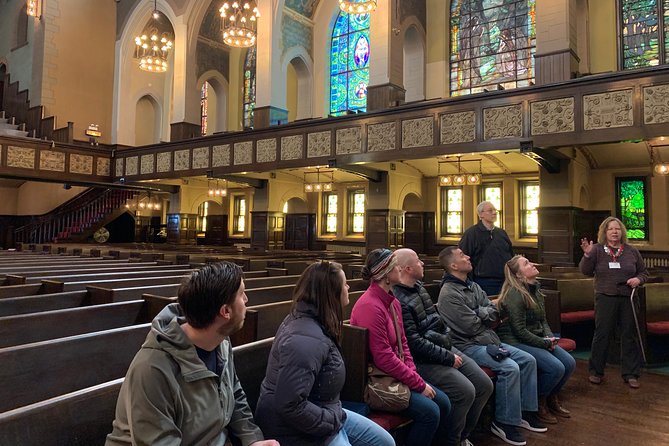
Reviewed · WALKING TOURS
Walking Tour: Chicago’s Prairie Ave Dist. – Street of the Elite
Prairie Avenue is where Chicago’s swagger shows up. This 4-hour, small-group walk takes you past turn-of-the-century landmarks tied to the city’s elite life and big ideas, starting at the Chicago Athletic Association. I like how the tour stays tight and focused on real places, not random photo stops, and I also like that you get docent-style access inside key sites like Second Presbyterian Church and Glessner House. One thing to consider, though, is that you will do some walking and you may face stairs at train stations, since not every station has elevators.
If you want Chicago that feels lived-in, not museum-only, this tour fits. It mixes architecture, neighborhood history, and short transit rides so you see the Prairie District as a functioning part of the city, not just a line on a map. A possible drawback is the cadence: you are moving between stops for a few hours, so if you prefer long, slow hangs in one place, you might feel a bit rushed.
In This Review
- Key highlights worth centering
- Why Prairie Avenue feels like a real Chicago neighborhood
- The Chicago Athletic Association start and the L ride to the Prairie District
- Chess Records: a music stop that explains Chicago blues power
- Second Presbyterian Church mini-tour: the architecture you can feel
- The Spoke & Bird cafe break: a snack stop that won’t hijack your day
- Glessner House Museum: where elite life gets tangible
- Clarke House Museum: the oldest-house moment
- Palmer House Hilton Historic Lobby: ending with a sweet reward
- Price and value: is $80 money well spent?
- Who this Prairie Avenue walking tour is best for
- Should you book it? My call
- FAQ
- How long is the Prairie Ave street of the elite walking tour?
- What does the $80 price include?
- Where does the tour start?
- Where does the tour end?
- Is food or drink included?
- How many people are in the group?
- Do I need to take public transportation during the tour?
- Is the tour accessible for people who need elevators?
- What is the cancellation policy?
Key highlights worth centering
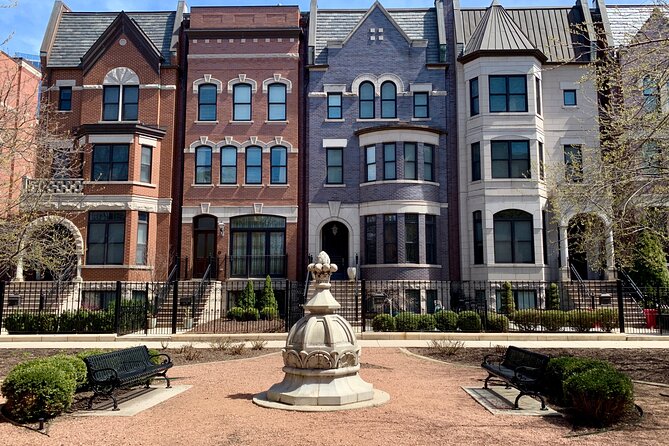
- Small group size: max 10 travelers, with the feel of a closer group (and a maximum of 8 in the tour description)
- Hotel start with a real train ride: meet at the Chicago Athletic Association, then take the L to the Prairie District
- Music stop with Chicago street cred: Chess Records for the building behind major Chicago blues output
- Private mini-tours in major landmarks: Second Presbyterian Church and Glessner House include docent-led time
- A neighborhood cafe break: snack stop at The Spoke & Bird, purchases optional
- A satisfying end inside a legend: Palmer House Hilton Historic Lobby finish, plus a sweet treat like a brownie
A few more ways to spend a day in Chicago
Why Prairie Avenue feels like a real Chicago neighborhood
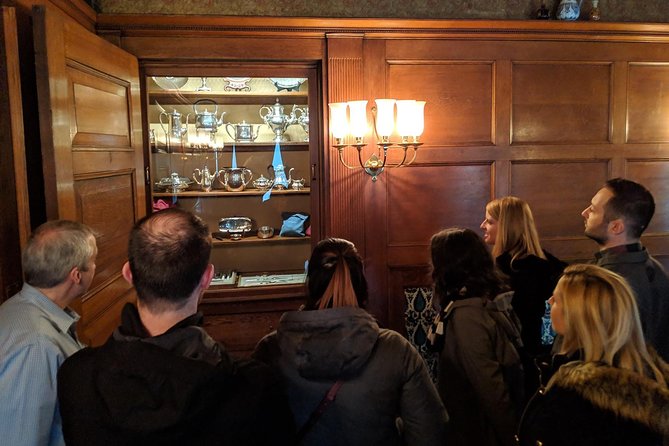
Chicago’s famous sights can pull you toward big, headline names. Prairie Avenue offers a different kind of payoff. You see how the city’s wealthy families shaped blocks through architecture, institutions, and street life in the late 1800s and early 1900s. The Prairie District is old, scenic, and made for walking, with enough detail on the buildings that your brain can actually sort the story as you move along.
What I like about this kind of route is that it doesn’t treat the area like a theme park. You still pass through a working city setting. That makes the history feel more grounded. You learn why these buildings matter, then you immediately experience their scale, their placement, and their surroundings.
Another smart choice is mixing “elite life” sites with something unexpected, like Chess Records. It keeps the tour from becoming a one-note architecture lecture. You come away with a more complete sense of Chicago, where culture, faith, business, and status all lived close to each other.
The Chicago Athletic Association start and the L ride to the Prairie District
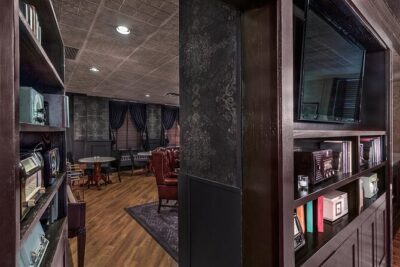
You begin at the Chicago Athletic Association, The Unbound Collection by Hyatt, at 12 S Michigan Ave. This is a strong first move because it frames the day with a building that feels historic and design-forward right away. You get a tour of the hotel’s historic details before you head out.
Then it’s time to ride the train. You move to Washington & Wabash and board the Green Line to the Prairie District. This matters more than it sounds. Chicago’s “how people move” is part of the city’s character. Doing the L ride as part of the tour helps you get your bearings fast, and it also breaks up the walking.
One practical note: the tour description points out moderate fitness and the fact that some train stations do not have elevators. So if you know you will struggle with stairs or long station platforms, factor that in. The tour is only about 4 hours, but the day still includes real movement.
Chess Records: a music stop that explains Chicago blues power
A short stroll from Cermak station brings you to Chess Records. This stop is compact, but it has a big cultural footprint. The idea here is simple: you learn about the building that produced some of the most influential blues music Chicago is known for.
Why this works in a Prairie Avenue tour is that it widens the definition of “elite.” The elite in Chicago is not only about mansions and churches. It’s also about the industries and platforms that helped artists change the sound of American music. Seeing Chess Records in the middle of an architecture-focused day makes the whole Prairie District story feel more complete.
Expect this to be more of a focused learning stop than a long hang. It’s scheduled for about 30 minutes, so you get the key context without the stop dragging.
Second Presbyterian Church mini-tour: the architecture you can feel
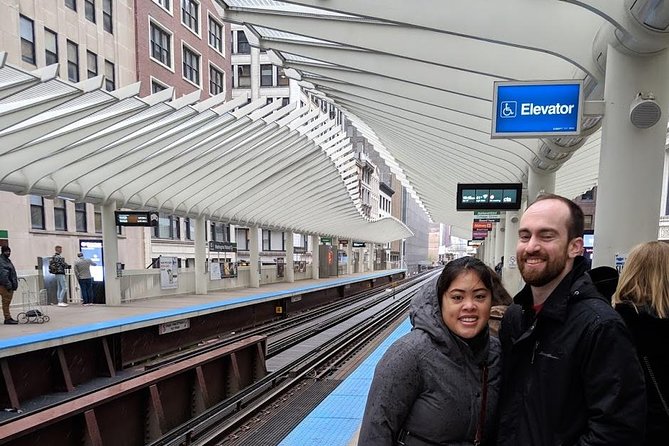
Next comes Second Presbyterian Church of Chicago. You get a private docent-led mini tour, which is one of the best formats for this kind of visit. A docent guide helps you notice things you would otherwise skip. You’re not only looking at the building. You’re learning how it was meant to communicate values, permanence, and community presence at the turn of the century.
The tour time here is about 40 minutes. That’s enough for a meaningful walkthrough and explanations, without eating your whole afternoon.
For your experience, this stop is a great example of why the tour’s pacing is strong. You go from music history at Chess Records to institutional history in the church. It keeps variety high, and the architecture themes stay coherent.
The Spoke & Bird cafe break: a snack stop that won’t hijack your day
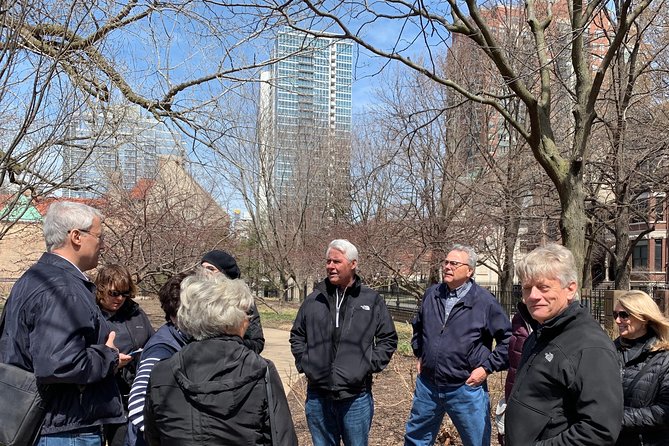
Then you take a break at The Spoke & Bird. This stop is billed as an employee-owned and woman-owned cafe. The tour gives you about 30 minutes here for a snack and a drink, but purchases are optional.
I like this setup because you are not stuck eating when you would rather walk a little longer or keep your photos going. You have time to refuel, then you move on. And because it’s a neighborhood cafe, it feels like you’re living inside the community instead of hopping between big-ticket landmarks only.
In Chicago, a “cafe break” can mean anything from a quick cookie to an actual meal. Here, it’s designed as a reset button. Grab something small, then come back ready for Glessner House.
Beyond the skyline, the neighborhoods have their own tours and their own stories.
- Chicago Architecture River Cruise★ 5.0 · 15,756 reviews
- Chicago River 90-Minute Architecture Tour★ 4.5 · 9,629 reviews
- Chicago River: 1.5-Hour Guided Architecture Cruise★ 4.8 · 8,046 reviews
- Chicago Architecture Center River Cruise aboard First Lady★ 5.0 · 5,536 reviews
- Chicago: Willis Tower Skydeck and The Ledge Ticket★ 4.6 · 4,350 reviews
Glessner House Museum: where elite life gets tangible
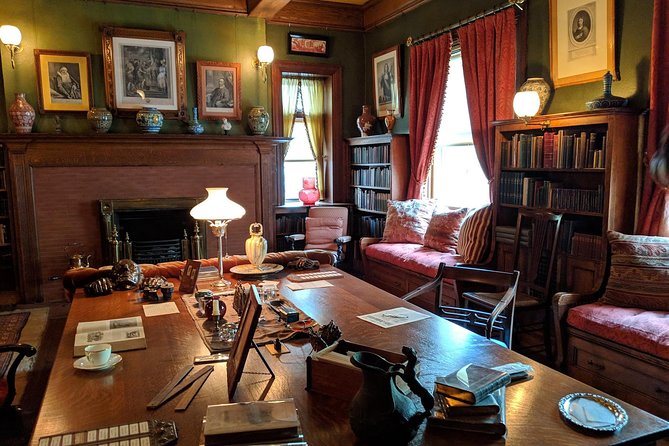
Glessner House Museum is one of the emotional centerpieces of the day. Like the church, you get a private docent-led mini tour, about 40 minutes long. This is where the Prairie District’s “elite” theme becomes very real.
You learn how elite Chicagoans lived at the turn of the century. That includes how homes worked, how status showed up in design and layout, and how daily life looked when it came with servants, social expectations, and a very specific sense of taste and order.
This kind of site is valuable because it helps you translate the buildings outside into something you can imagine inside. A neighborhood tour can tell you that these people were wealthy. A house museum helps you understand what wealth meant on a day-to-day level.
If you enjoy architecture and interiors, this is the stop that will make the tour click. Even if you are more of a history person than a design person, a docent walkthrough helps you catch details quickly.
Clarke House Museum: the oldest-house moment
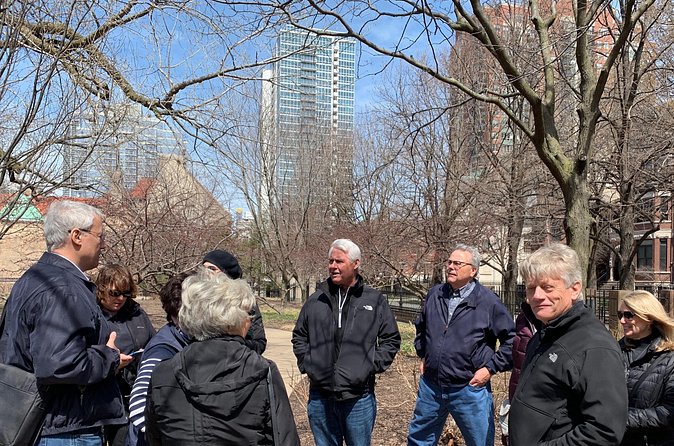
Clarke House Museum is short but memorable. You see the oldest house in Chicago and learn about how elite Chicagoans lived at the turn of the century.
This is scheduled for about 10 minutes. That means it will feel like a quick spotlight moment rather than a full museum experience. If you’re a person who loves lingering, you might wish you had more time. But as part of a walking route, a 10-minute stop keeps the day moving and helps you avoid the “everything becomes a blur” problem that long museum marathons can create.
Think of it as your history anchor. Before you finish the day, you get reminded that Chicago’s timeline is still under your feet, not just in the distance.
Palmer House Hilton Historic Lobby: ending with a sweet reward
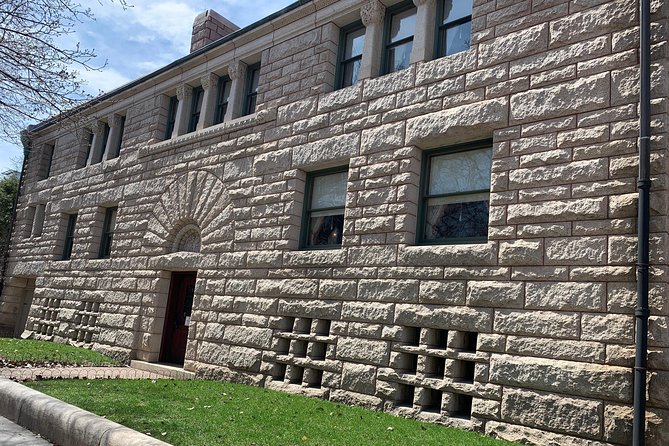
After the Prairie District portion, you ride the train back to the Loop. Then you explore the Palmer House Hilton Historic Lobby. This is the kind of finale that makes the day feel rewarding instead of just educational.
The tour time is about 40 minutes. You’re looking at the famous interior of a landmark building, and the experience ends with a sweet treat. In one of the most praised comments from past experiences, the sweet treat was a Palmer House brownie.
What I appreciate here is the contrast. You spend the day learning about old-school elite life and neighborhood institutions, and then you cap it in a Loop setting that still matters in modern Chicago. It’s also a fun way to decompress after you’ve been walking and riding transit. By the time you get here, your feet are tired, your brain is full, and you are ready for one last “Chicago, wow” moment.
Price and value: is $80 money well spent?
At $80 per person for a roughly 4-hour tour, the price can look steep at first glance. But when you break it down, it’s easier to see the value.
You get:
- A local expert guide for the full experience
- Transit tickets included
- Church and Glessner House donation or fee included
- Entry into the listed stops, with docent-led time at major locations
- A cafe break (food and drink purchases are not included, but you do get the stop and time)
The biggest value driver here is the included docent-led access. Sites like Second Presbyterian Church and Glessner House are the sort of places where a guide can turn a “nice building” into a “now I get it” moment. On a self-guided walk, you can see the exterior and you can try to read your way through history. Here, you get the context fast.
The other value point is the pacing and group size. Max 10 travelers keeps it from feeling like a bus tour, so you can actually ask questions and stay engaged. Past feedback rates it highly, and the consistent praise centers on the guide knowledge and the way the day mixes education with actual Chicago street experience.
Who this Prairie Avenue walking tour is best for
This is a strong fit if you want:
- Chicago history that’s tied to real buildings, not just big landmarks
- A route that mixes architecture with culture, including music history at Chess Records
- A small-group format that feels personal enough to ask questions
It can also suit Chicago fans, even if you already think you know the city. The Prairie District is not always the first neighborhood people plan, so the perspective feels fresh. If you like walking tours that teach you how to read a city, this one will work well.
If you are not a fan of train rides or stairs, you will need to plan carefully. The tour notes moderate physical fitness and possible stairs at stations. You can still go, but choose footwear you can handle well, and be ready for some stair moments even if the overall distances are manageable.
Should you book it? My call
Book this tour if you want small-group history with real access. Starting at the Chicago Athletic Association, riding the L, learning at Chess Records, getting docent-led time at Second Presbyterian Church and Glessner House, and finishing in the Palmer House lobby is a smart blend. It’s not only about seeing nice architecture. It’s about understanding why these places mattered and how Chicago’s “elite” story shaped the city’s identity.
Skip it if you want a purely outdoors walking experience with lots of free time. This is timed, structured, and built around guided mini-tours. If you like long independent exploring, you might feel the schedule is a bit tight.
FAQ
How long is the Prairie Ave street of the elite walking tour?
It lasts about 4 hours.
What does the $80 price include?
Your ticket includes transit tickets and the donation or fee for the church and Glessner House, plus a local expert guide.
Where does the tour start?
The tour starts at the Chicago Athletic Association, The Unbound Collection by Hyatt, 12 S Michigan Ave, Chicago, IL 60603.
Where does the tour end?
The tour ends at Palmer House a Hilton Hotel, 17 E Monroe St, Chicago, IL 60603.
Is food or drink included?
Food and beverages are not included. There is a snack stop at a neighborhood cafe, but purchases are optional.
How many people are in the group?
The tour description notes a maximum of 10 travelers, and it is also described as a small-group tour with a maximum of just 8 participants.
Do I need to take public transportation during the tour?
Yes. The tour includes transit, including boarding the Green Line train from Washington and Wabash.
Is the tour accessible for people who need elevators?
The tour notes that not all train stations have elevators, and you should be able to climb stairs.
What is the cancellation policy?
You can cancel for free up to 24 hours before the experience starts for a full refund.
Just Added




Walking Tours, compared.

Chicago Favorites Ultimate Food and Walking Tour
Read our review →
Chicago in a Day: Food, History & Architecture Walking Tour
Read our review →
Chicago’s Secret Interiors Architectural Walking Tour
Read our review →
Browse the lists this tour appears in