
Reviewed · WALKING TOURS
Chicago: Treasures of the Golden Age Walking Tour
Chicago’s architecture tells a story. This 2-hour walking tour zeroes in on the city’s Golden Age buildings, linking them to the big cultural push after the 1893 World’s Columbian Exposition. I love that you get real architecture context (revival styles, famous architects, and why Chicago wanted to be a cultural metropolis), and I love that the guide is trained by the Chicago Architecture Center so the stories stay grounded and specific.
The main thing to consider: the operator notes the tour is not suitable for people with mobility impairments, even though it is listed as wheelchair accessible. That mismatch is worth thinking through before you book, especially if your day-to-day needs are more than simple wheelchair access.
In This Review
- Key Points You Will Notice Right Away
- Golden Age Chicago, Explained on Michigan Avenue and State Street
- Start Inside: The Chicago Architecture Center and Its Exhibits
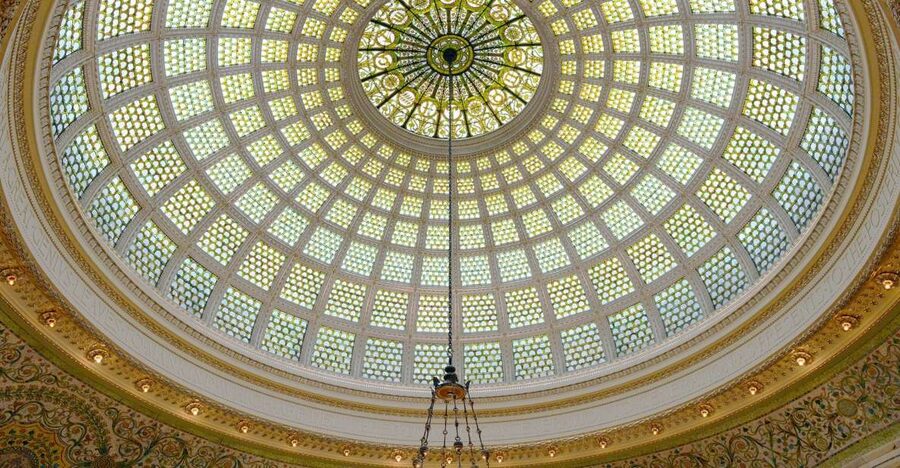
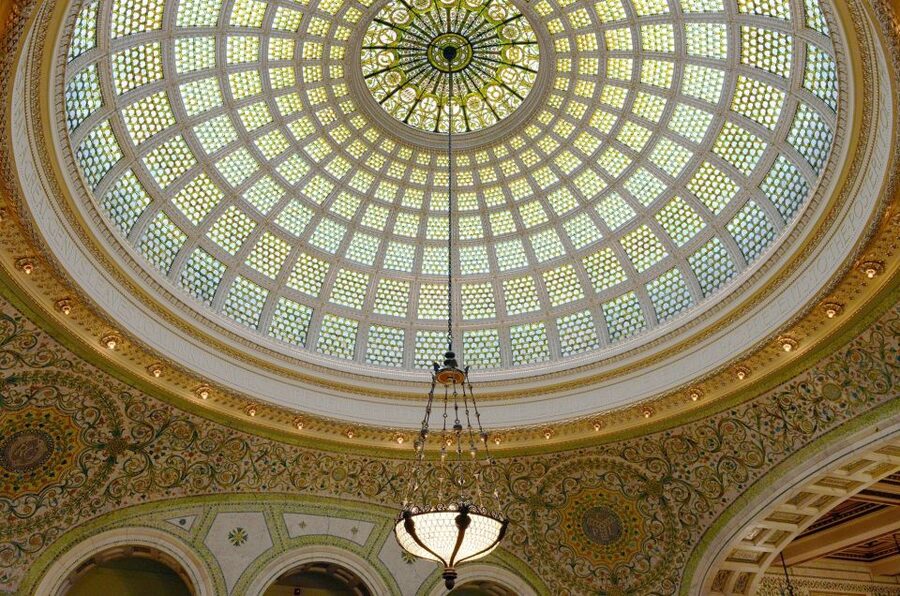
- Chicago Cultural Center and the Tiffany Dome Moment
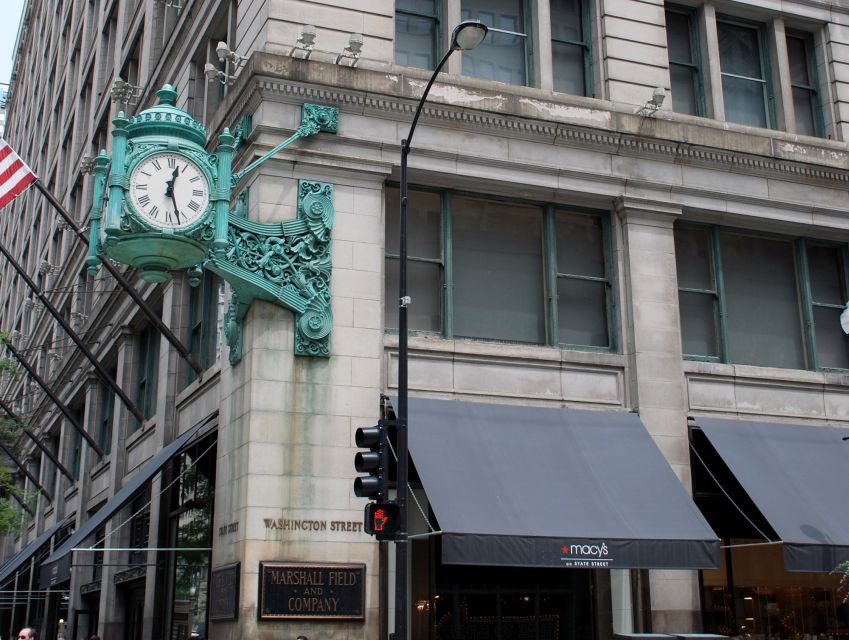
- Marshall Field’s to Macy’s on State: Department Store Glamour
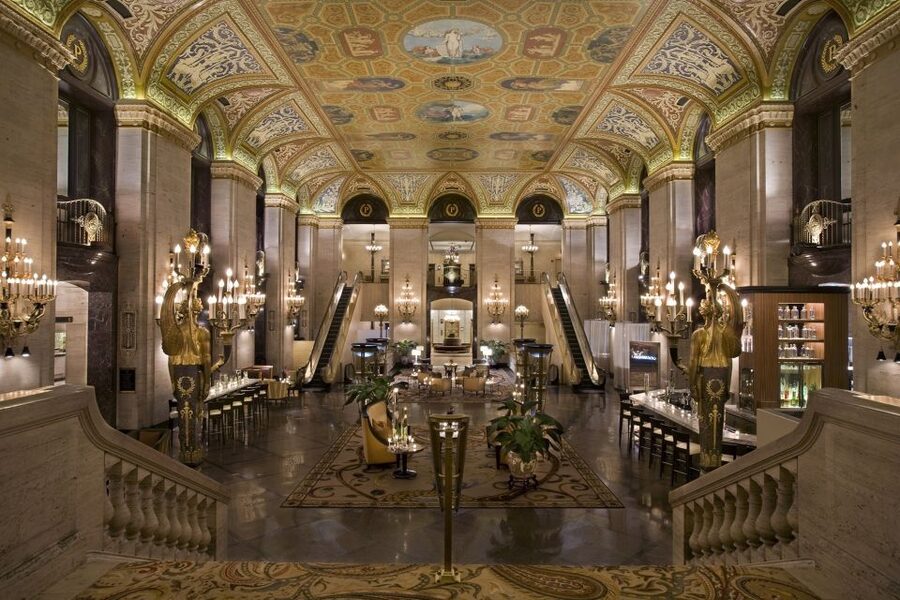
- Palmer House Hotel: A 1920s Favorite in Revival Style Clothing
- How the Revival Styles Show Up in Real Buildings
- The Architects: Burnham, Sullivan, Holabird and Roche
- The Walking Experience: Pace, Inside Glimpses, and Storytelling
- Price and Value: Why $35 Works Better Than It Looks
- Practical Notes That Affect Your Day
- Who Should Book This Golden Age Walking Tour
- Should You Book It? My Straight Talk
- FAQ
- How long is the Chicago Treasures of the Golden Age Walking Tour?
- Where do I meet for the tour?
- What is included with the ticket?
- Do I need to bring ID?
- Is luggage or stroller storage available?
- Are pets allowed?
- Does the tour run in bad weather?
- What languages are tours offered in?
- Is the tour wheelchair accessible?
Key Points You Will Notice Right Away
- Chicago Architecture Center certified guide: You’re with someone trained by the city’s architecture authority.
- Golden Age focus in the Loop: Michigan Avenue and State Street, plus nearby landmarks tied to 1890s-1930s ambition.
- Iconic interiors and exteriors: You see dazzling building work outside, and get glimpses inside some stops.
- Big-ticket designs in smaller pieces: Expect revival styles like Beaux Arts, neo-Georgian, and neo-Gothic.
- Standouts you will remember: Chicago Cultural Center, Marshall Field’s (now Macy’s), and the Palmer House.
- Advice that feels useful, not performative: Guides often use a microphone system and keep a pace that lets you look.
A few more ways to spend a day in Chicago
Golden Age Chicago, Explained on Michigan Avenue and State Street
The Loop is where Chicago shows off its confidence. In the late 1800s through the early 1900s, the city decided it wasn’t just going to build for commerce, it was going to build for culture too. This tour frames that shift clearly, so when you spot grand facades along Michigan Avenue and State Street, you understand what Chicago was trying to prove.
What I like is the tour’s attitude toward time. The buildings you’ll see are part of a “new Chicago” story, but they borrow from earlier eras through revival styles. That means the architecture isn’t just pretty. It’s purposeful, like a slogan in stone.
You’ll also learn why Chicago was determined to become a great cultural metropolis after the World’s Columbian Exposition of 1893. That detail matters because it puts the buildings into a bigger plan, not random luck and construction booms.
Start Inside: The Chicago Architecture Center and Its Exhibits
Your tour meeting point is inside the Chicago Architecture Center, 111 East Wacker Drive. Since admission to CAC Exhibits is included, you’re not starting cold in the middle of traffic and tall buildings. You can use that pre-walk time to get your bearings on what kinds of design choices you’ll see next.
This is also where the tour’s nonprofit angle shows up in a practical way. Your ticket supports Chicago Architecture Center education initiatives, like Girls Build!, Teen Fellows, and the Newhouse Architecture + Design Competition. In plain terms, it helps keep architecture learning going locally.
Also, this stop is useful even if you’ve visited the Loop before. The Golden Age is not just “big skyscraper energy.” It’s museums, department stores, concert halls, and hotels. CAC sets you up to notice the cultural and civic buildings, not only the tallest silhouette.
Chicago Cultural Center and the Tiffany Dome Moment
One of the most memorable stops is the Chicago Cultural Center. You’re going for the architecture, and the main hook is the world’s largest Tiffany dome. Even if you don’t know Tiffany’s work from memory, you’ll recognize the wow factor fast. It’s the kind of ceiling feature you want to keep looking at, even after the guide finishes the explanation.
What makes this stop valuable is the storytelling layer. The tour doesn’t treat the dome as a single object. It connects it to Chicago’s desire for cultural stature, built into public-facing places. In other words, this is architecture as civic branding.
The Cultural Center also helps you read the rest of the day. Once you’ve seen how Chicago can go big and ornamental, you’ll be better at spotting revival style cues later, like how Beaux Arts and neo-variants show up in details and overall proportions.
Marshall Field’s to Macy’s on State: Department Store Glamour
Then you move into retail grandeur, the kind that feels more like a palace than a shop. The tour highlights Marshall Field’s department store, now Macy’s on State. This is a smart choice because a department store is an architectural statement about modern life: shopping as a public ritual and a sign of a city’s prosperity.
You’ll learn about the building’s role in Chicago’s Golden Age identity. It’s not only about luxury. It’s about how Chicago made everyday commerce look significant, almost civic. That’s a big theme of the tour, and it’s why this stop fits so well between museum-style culture and the more ambitious skyscraper mindset.
One practical thing here: department-store architecture gives you both exterior drama and a sense of interior scale. The tour is focused on the Loop walking experience, but the guide aims to include glimpses inside some beloved buildings. You’ll feel the difference between an exterior that impresses you from the street and an interior that changes how you experience the space.
Palmer House Hotel: A 1920s Favorite in Revival Style Clothing
The Palmer House is another standout on the list, a restored hotel from the 1920s. It’s the kind of stop that reminds you Chicago’s Golden Age wasn’t only about offices and institutions. Hotels were major stages too, built for visitors, conventions, and the city’s self-image.
The tour’s revival-style angle comes into focus here. You’re looking at a building that channels older forms while still feeling modern for its era. That mix is part of what makes Chicago’s architectural “personality” so distinct. You get the sense of refinement and aspiration all at once.
If you like your architecture with personality, this is where you may start seeing patterns. After Cultural Center and the department store, the Palmer House helps you connect the dots between cultural ambition and the hospitality infrastructure that supported it.
Beyond the skyline, the neighborhoods have their own tours and their own stories.
- Chicago Architecture River Cruise★ 5.0 · 15,756 reviews
- Chicago River 90-Minute Architecture Tour★ 4.5 · 9,629 reviews
- Chicago River: 1.5-Hour Guided Architecture Cruise★ 4.8 · 8,046 reviews
- Chicago Architecture Center River Cruise aboard First Lady★ 5.0 · 5,536 reviews
- Chicago: Willis Tower Skydeck and The Ledge Ticket★ 4.6 · 4,350 reviews
How the Revival Styles Show Up in Real Buildings
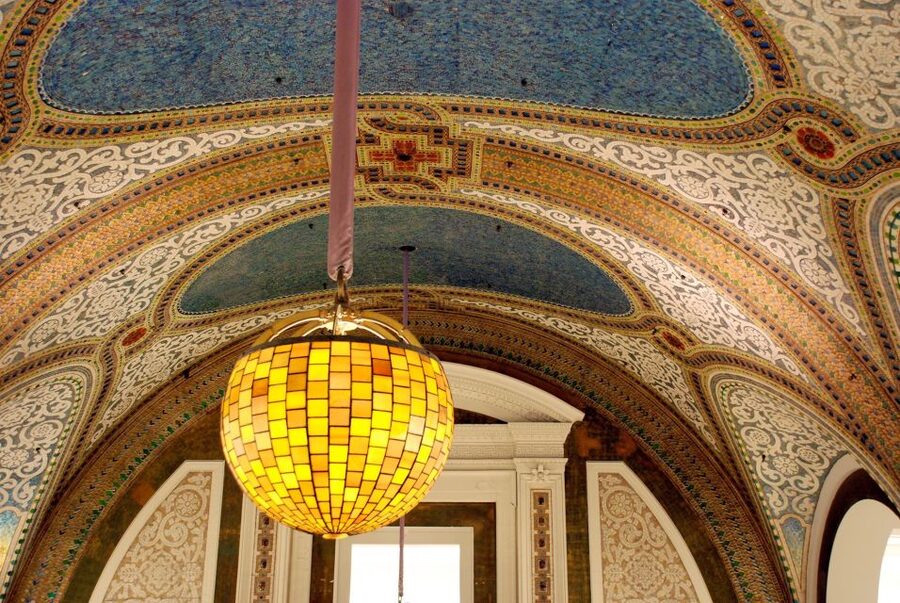
One of the strengths of this tour is the way it teaches you to recognize styles without making it a homework assignment. The buildings you’ll see are designed in revival styles such as Beaux Arts, neo-Georgian, and neo-Gothic. The guide helps you spot what those terms mean on the street.
Here’s a simple way to think about it as you walk. Revival styles often show up as recognizable “rules” in the facade: symmetry cues, sculptural ornament, and the way vertical and horizontal elements are balanced. The tour nudges you to look beyond the first impression.
This matters because Chicago’s Loop can feel like a blur of tall facades. Styles give you handles. Instead of just saying, “That’s pretty,” you start understanding why it looks that way and what it was communicating when it was built.
The Architects: Burnham, Sullivan, Holabird and Roche
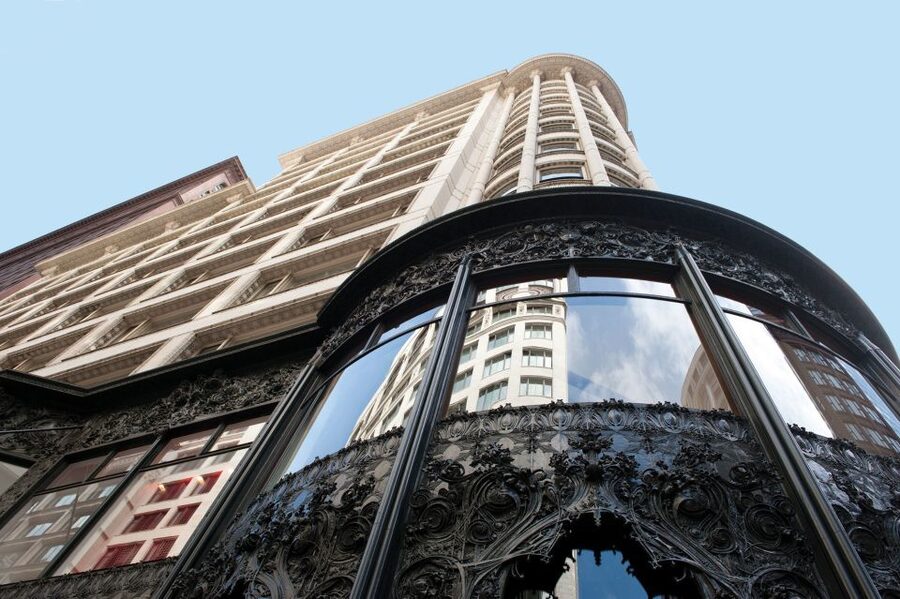
The tour points you to noted architects like Daniel Burnham, Louis Sullivan, and Holabird and Roche. That is useful because it gives you a framework for the city’s design evolution rather than treating every building as its own isolated story.
Even if you have never studied architecture theory, these names act like signposts. Burnham is associated with the big plan and the city-building mindset. Sullivan is often linked to bold design thinking. Holabird and Roche represent another important piece of the Chicago design ecosystem. The guide ties those contributions into what you can actually see as you walk.
What I appreciate is how the tour connects architectural authorship to the city’s bigger ambitions. This isn’t just a roll call of famous designers. It helps you understand how Chicago used architecture to aim for cultural prestige.
The Walking Experience: Pace, Inside Glimpses, and Storytelling
This is a 2-hour walking tour in the Loop, so comfortable shoes are not optional. The good news is that the tour format keeps things moving while still giving you time to look. Several guides are praised for using a microphone system, which matters more than you might think in a city full of street noise. It helps you keep hearing the story while you take a second to examine details.
Guide quality is a major theme in the experience data. Names like Doug, Ron, Dan, Jackeline, Maureen, Paul S, Ingrid, John, Ross, Terry, and Tony show up repeatedly as strong performers. Common praise includes engaging stories, clear explanations, and a sense that the guide can answer questions without making you feel rushed.
You’ll also want to plan your expectations for inside access. The tour promises glimpses inside some beloved buildings, but it’s still a walking tour. That means you should expect a mix: exterior time for most of the day, plus short, high-impact moments inside where available.
One extra detail worth noting from the experiences people shared: guides sometimes adjust to the season and conditions. For colder days, there can be opportunities to step inside to warm up. That kind of practical flexibility can turn a harsh day into a good one.
Price and Value: Why $35 Works Better Than It Looks
At $35 per group up to 1 for a 2-hour guided walk, the price seems simple on the surface. The better question is what you get that you would not easily replicate on your own.
You get three big value pieces:
- A certified Chicago Architecture Center guide trained to connect the buildings to the era and styles.
- Admission to CAC Exhibits as part of the experience.
- A focused Golden Age route that targets major cultural buildings, not a random grab bag.
If you’ve ever tried to DIY the Loop with a guidebook, you know the problem. You can spot famous buildings, but you may miss why they matter. This tour is built to close that gap in a short time.
Also, the stories tend to be more than dates and names. People highlighted guides who kept explanations accessible and engaging, including moments where guides paused and gave people time to think and ask questions. That turns the walk into a learning experience you actually enjoy, not a speedrun.
Practical Notes That Affect Your Day
This tour includes a few limitations that are worth planning around.
First, there’s no storage for luggage and strollers. There is also no coat check. So travel light if you can. Bring only what you need for two hours outside around Michigan Avenue and State Street.
Second, pets are not allowed, but service animals are welcome. If you’re traveling with anyone who relies on a service animal, plan to follow the tour rules as stated.
Third, the tour departs rain or shine. Bad weather won’t automatically cancel the walk, so think about what you can realistically handle on foot.
Finally, bring your passport or ID. It’s a small requirement, but it’s one more thing to avoid scrambling for right before you meet.
Who Should Book This Golden Age Walking Tour
This is a strong fit if you want a compact way to understand Chicago’s late 1800s to early 1900s cultural ambition. It’s especially good for people who like architecture with context, not just photo stops.
You’ll likely enjoy it if you:
- Want to learn revival styles like Beaux Arts and neo-Gothic in a real, street-level way.
- Care about the story behind museums, department stores, and landmark hotels, not only the skyline.
- Appreciate guided expertise, since the guide is trained by the Chicago Architecture Center.
It may not fit if you rely heavily on special mobility support. The operator specifically notes it is not suitable for people with mobility impairments, even though it is listed as wheelchair accessible. That’s a key decision point.
Should You Book It? My Straight Talk
Book it if you want a guided walk that helps you see the Loop as a cultural project, built after the 1893 World’s Columbian Exposition. The tour’s blend of major landmarks, design styles, and architect names makes the Golden Age feel coherent instead of chaotic.
Skip it only if the walking format is a dealbreaker for your mobility needs, or if you need luggage or stroller storage. Also, if you hate rain and don’t want to walk no matter what, plan your expectations around the rain-or-shine schedule.
FAQ
How long is the Chicago Treasures of the Golden Age Walking Tour?
The tour runs for 2 hours.
Where do I meet for the tour?
Check in inside the Chicago Architecture Center at 111 East Wacker Drive, Chicago, IL 60601.
What is included with the ticket?
You get admission to the Chicago Architecture Center Exhibits, the 2-hour walking tour, and a Chicago Architecture Center certified guide.
Do I need to bring ID?
Yes, you need to bring a passport or ID card.
Is luggage or stroller storage available?
No. There is no secure storage for luggage or strollers, and there is no coat check.
Are pets allowed?
Pets are not allowed, but service animals are welcome.
Does the tour run in bad weather?
The tour departs rain or shine, and refunds due to weather are not offered.
What languages are tours offered in?
The live tour guide speaks English.
Is the tour wheelchair accessible?
The tour is listed as wheelchair accessible, but the operator also notes it is not suitable for people with mobility impairments.
Just Added






Walking Tours, compared.

Chicago Favorites Ultimate Food and Walking Tour
Read our review →
Chicago in a Day: Food, History & Architecture Walking Tour
Read our review →
Chicago’s Secret Interiors Architectural Walking Tour
Read our review →
Browse the lists this tour appears in