
Reviewed · WALKING TOURS
Chicago: Tiffany Art Glass Works Walking Tour
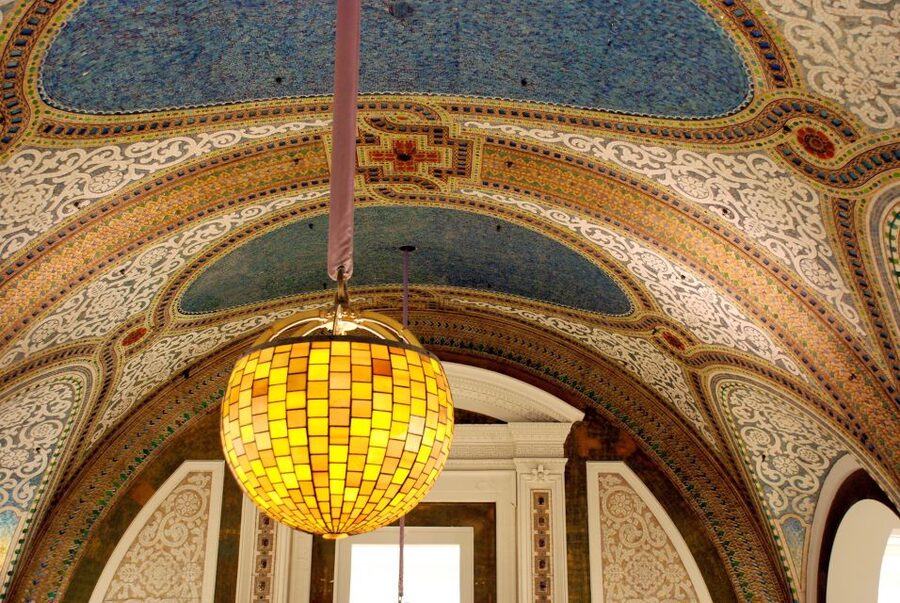
Chicago’s Tiffany glass turns a city walk into a lesson in light. This 90-minute Tiffany Art Glass Works tour is built around big, public-facing installations that you can actually see from the street and inside key buildings. You’ll learn about Louis Comfort Tiffany’s work and then compare it with what modern makers do with art-glass today.
I especially like how the tour gives you real scale. The Cultural Center domes are breathtaking, and you also get stops tied to major downtown facades, not just tucked-away examples. Another highlight for me is the guide experience, with narration that’s professional and certified, plus plenty of context so the designs make sense beyond pretty color.
One consideration: this is a walking tour with no secure storage for luggage or strollers, so if you’re traveling light you’ll have a much easier time.
In This Review
- Key highlights at a glance
- Tiffany glass makes sense only when you see it in place
- Meeting point at the Chicago Cultural Center, and how to start ready
- Stop 1: The Cultural Center Tiffany domes, where the scale hits you
- Stop 2: Macy’s (Field’s) Tiffany ceiling, and why department stores count
- Stop 3: The former public library stop, where art supports civic space
- Stop 4: The Marquette Building, plus the compare-and-spot game
- Your guide: narration that makes the glass feel human
- What you learn about Louis Comfort Tiffany, without getting stuck in lectures
- Price and value: is $35 worth 90 minutes?
- What to wear and plan so the tour feels easy
- Who this Tiffany Art Glass Works walk suits best
- Should you book this tour?
- FAQ
- Where is the meeting point for the tour?
- How long is the Chicago: Tiffany Art Glass Works walking tour?
- How big are the groups?
- Does the tour run in bad weather?
- Is the tour wheelchair accessible?
- Are pets allowed?
- What’s included in the tour price?
- Is food or drink included?
- Is there luggage or stroller storage during the tour?
- What language is the tour offered in?
Key highlights at a glance
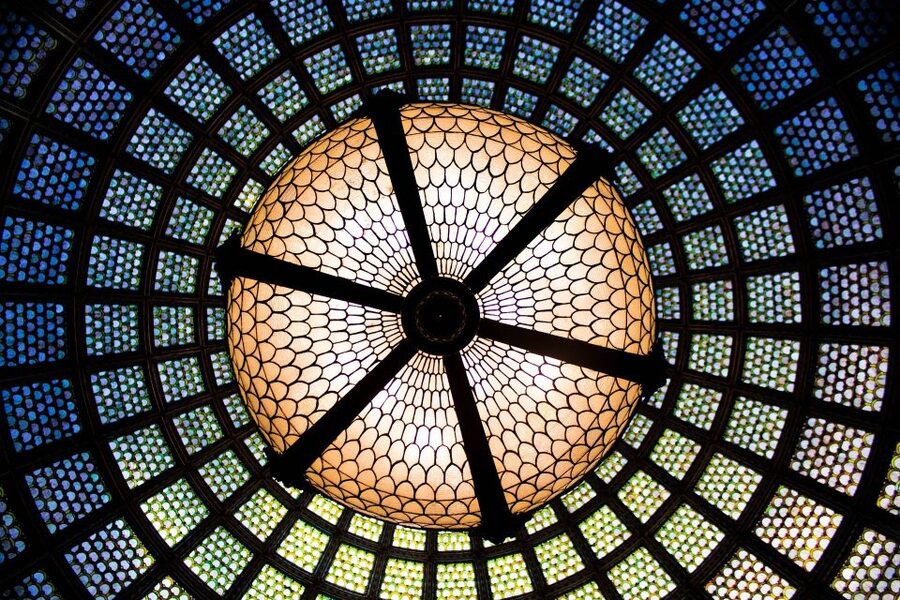
- Tiffany domes and major public installations you can see clearly as you walk
- Louis Comfort Tiffany context tied directly to what you’re looking at
- Comparisons with contemporary art-glass so you can spot what changed over time
- Small group size (up to 10) for better questions and slower pacing
- Chicago Architecture Center gallery access included with your tour visit
- Rain or shine means you plan for weather, not hope for good luck
A few more ways to spend a day in Chicago
Tiffany glass makes sense only when you see it in place
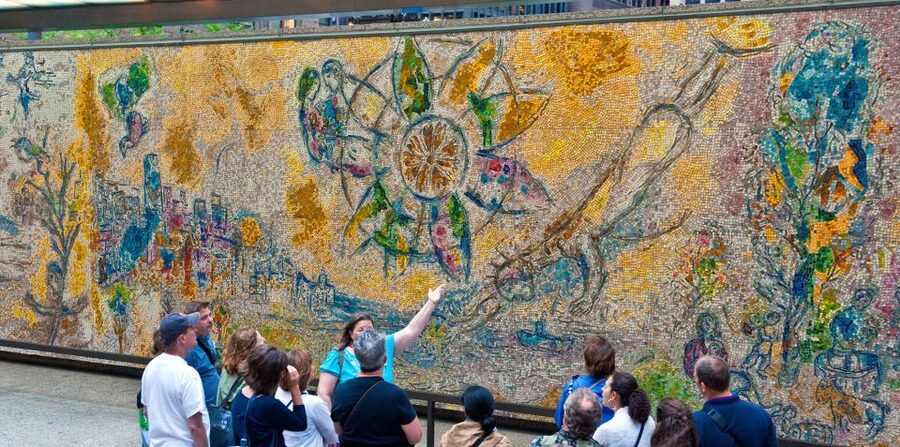
Tiffany-style art glass looks great in photos. But it clicks on a different level when you stand near it, see how it catches ambient light, and notice how it’s integrated into the building. That is exactly what this tour is built for: you’re not just learning names of artworks, you’re learning how glass becomes part of Chicago’s architecture.
A smart way to approach this walk is to look for three things as you go. First, the glass patterns, how lines and shapes guide your eye. Second, the way the artwork frames a space, like a ceiling element or an entrance feature. Third, the materials and finishing, because Tiffany’s style is more than color, it’s craft.
And there’s another reason I like this format. Downtown Chicago is full of glass, metal, and stone details, but most people only notice the big stuff. This tour trains your attention, so you start seeing art-glass as part of the city’s design language.
Meeting point at the Chicago Cultural Center, and how to start ready
You meet inside at the north lobby of the Chicago Cultural Center at 77 E Randolph Street. This matters because you start in a space that sets the tone for what’s next: you’ll be looking at decorative glass and mosaics right away.
The tour runs 90 minutes and keeps the group limited to 10 participants. A small group is more than a comfort perk. It means the guide can spend time answering questions about what you’re seeing, not just rushing through talking points.
It operates rain or shine, so bring a light rain layer even if the forecast looks friendly. Since there’s no secure storage for luggage or strollers, plan to travel with a day bag you can keep on you.
Stop 1: The Cultural Center Tiffany domes, where the scale hits you
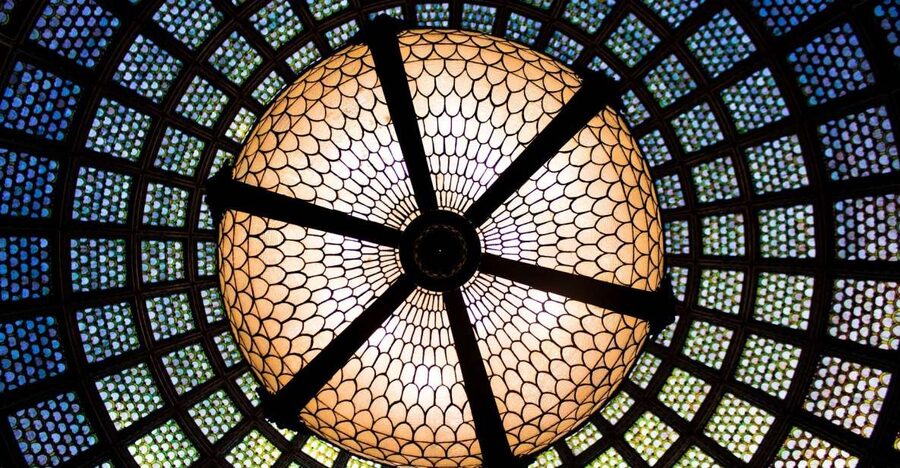
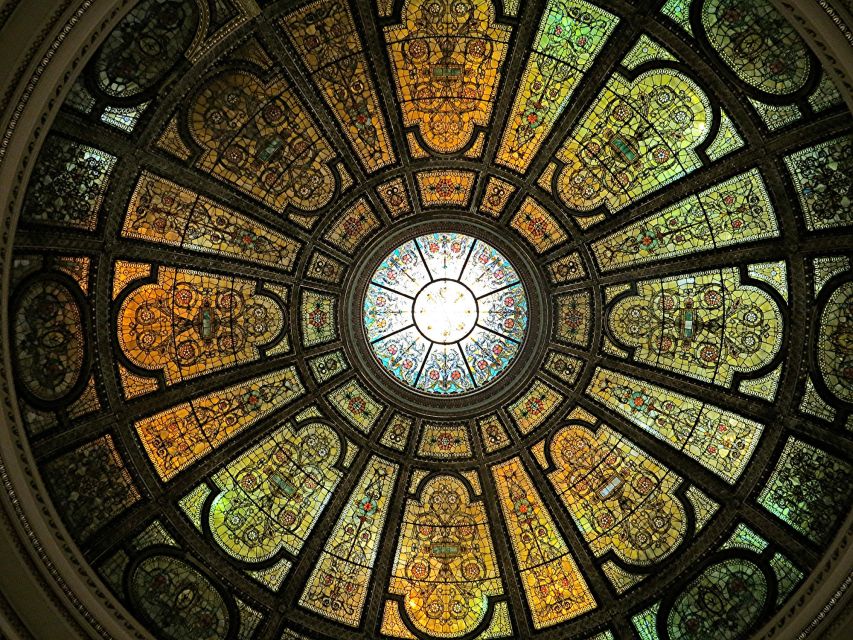
The Cultural Center is the place to begin because the Tiffany art glass installations there are the kind that make your brain go quiet for a second. Expect to spend time focusing on the decorative glass and mosaic elements, then listening as the guide connects those visuals to Tiffany’s methods and ideas.
Here’s what I think you should pay attention to during this portion:
- How the design spreads across the space, rather than living in a single spot.
- How light changes the look of the glass as you move even a little.
- How the “theme” feels different depending on whether you’re looking straight on or from an angle.
The domes set up the rest of the tour perfectly, because they establish the visual language you’ll recognize again later. You’ll also get an early dose of Louis Comfort Tiffany’s story, so later stops don’t feel like random decorative moments.
If you’re the type who likes to connect art to people, this is where the tour helps most. It’s not just a look at the final result. It’s a look at why someone would put this much craft into a public space.
Stop 2: Macy’s (Field’s) Tiffany ceiling, and why department stores count
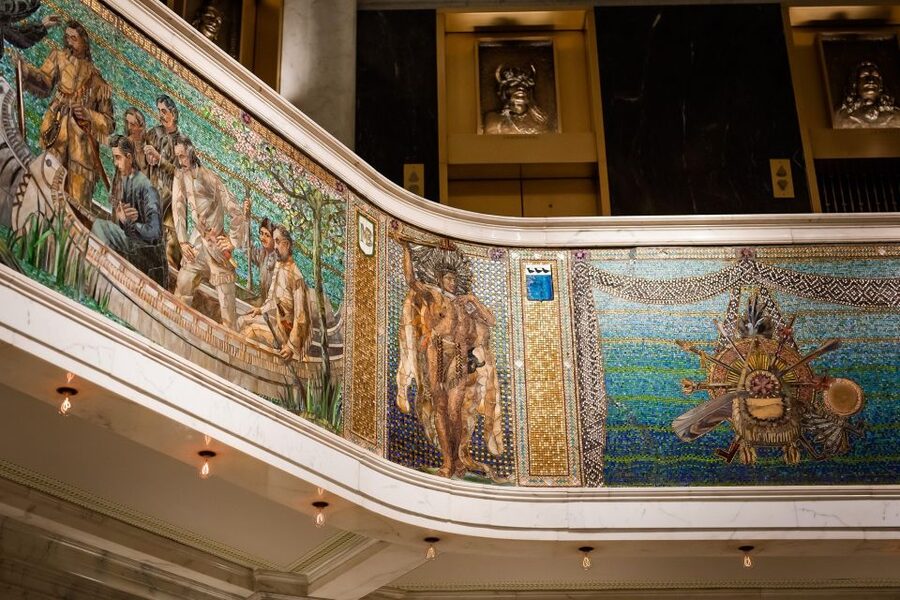
One of the most fun reveals on this walk is the mention of a Tiffany glass ceiling at Macy’s (formerly Field’s). Department stores are often treated like shopping destinations first, architecture second. This tour flips that priority and shows you how these buildings used art-glass to make the experience feel special.
At this stop, slow down and scan upward. A ceiling detail is easy to miss unless you commit to looking where you usually don’t. The ceiling also changes the way you perceive the patterns because your viewpoint is different, and the glass is designed to work with that.
What I like about including this type of building is the context. Tiffany-style decorative glass wasn’t only for museums or wealthy homes. It also helped shape a public-facing idea of taste and modernity.
If you want a practical takeaway, it’s this: you’ll learn how to read the building’s design choices. You’ll start noticing how glass details are placed for impact, not just decoration.
Stop 3: The former public library stop, where art supports civic space
The walk also includes stops connected to major downtown institutions, including a former public library. Even without a museum label, libraries are civic spaces. They communicate values like learning and permanence, and Tiffany-style design fits that vibe.
For you, this kind of stop is valuable because it teaches the “why” behind ornamentation. The guide’s narration helps you connect the artwork to the building’s identity as a public place, not simply to Tiffany’s reputation.
When you’re standing in the area tied to the library stop, focus on how the glass and mosaic elements relate to their setting. Ask yourself: is it meant to frame a doorway, soften a transition, or emphasize a key room feature? That thinking makes the stop feel more personal and less like a checklist.
Beyond the skyline, the neighborhoods have their own tours and their own stories.
- Chicago Architecture River Cruise★ 5.0 · 15,756 reviews
- Chicago River 90-Minute Architecture Tour★ 4.5 · 9,629 reviews
- Chicago River: 1.5-Hour Guided Architecture Cruise★ 4.8 · 8,046 reviews
- Chicago Architecture Center River Cruise aboard First Lady★ 5.0 · 5,536 reviews
- Chicago: Willis Tower Skydeck and The Ledge Ticket★ 4.6 · 4,350 reviews
Stop 4: The Marquette Building, plus the compare-and-spot game
A highlight in the tour experience is time at the Marquette Building, presented as an impressive location for Tiffany-style art-glass. This is also where the tour’s comparison piece becomes more meaningful.
You’ll be asked to compare Tiffany glass to contemporary art-glass installations. That’s not just a fun add-on. It helps you understand what stayed the same, what changed, and what makers tried to do differently with modern techniques or artistic priorities.
Here’s how to make that comparison work for you:
- Look for how the design handles line and movement. Does it feel more illustrative or more geometric than Tiffany?
- Notice the texture. Some contemporary work emphasizes surface effects, while Tiffany often aims for integrated patterning.
- Compare how each style “frames” the architecture. Is it meant to merge with the building, or to interrupt it?
This stop is where your eyes start to improve. By the time you reach it, you know what to look for. The tour stops feeling like sightseeing and becomes visual analysis, in a friendly way.
Your guide: narration that makes the glass feel human
The tour is narrated by a professional and certified guide, and that matters because Tiffany glass is easy to appreciate without context, but it’s much easier to remember when you understand the choices behind it.
One guide name that comes up in feedback is Pris, described as knowledgeable and passionate. That matches the format you’re paying for: you want the story to connect to specific details, not float in generalities.
If you like learning as you walk, you’ll probably enjoy the way the guide ties together:
- Tiffany’s life and work
- What’s visible in each building
- Why these installations matter in Chicago
And if you’re coming with questions, this is the right kind of tour to ask them. The small group size helps, and the guide has time to steer you toward what to notice next.
What you learn about Louis Comfort Tiffany, without getting stuck in lectures
This isn’t a long museum talk. The learning is designed to connect directly to what’s around you. You’ll learn about Louis Comfort Tiffany’s life and work, and then you’ll see that story reflected in the installations themselves.
The value here is clarity. Tiffany glass can look like decoration at first glance, but it’s also a design language tied to craft, materials, and ambition. When the guide explains the connection, the installations stop feeling random and start feeling intentional.
You’ll also benefit from the tour’s built-in comparison with contemporary art-glass. That gives you a timeline in your head. Instead of just memorizing what Tiffany did, you start understanding how artists build on older traditions.
Price and value: is $35 worth 90 minutes?
The price listed is $35 per group (for a tour capped at a small group size) for a 90-minute walking experience that includes:
- A tour of Tiffany art glass installations
- Narration by a professional and certified guide
- Admission to the galleries at the Chicago Architecture Center
For many people, the value is in two places. First, you’re paying for expert interpretation. Art-glass is stunning, but a guide helps you notice what you’d otherwise miss, like how each installation fits its building role. Second, gallery admission is included, so you’re not piecing together separate tickets on top of the tour.
Could you DIY this by checking Tiffany references online? Sure. But you’d likely spend more time figuring out where the best examples are, and less time learning what those examples are telling you. For $35, I think the main value is that you get the city reading experience without the guesswork.
What to wear and plan so the tour feels easy
Because it runs rain or shine, think weather first. Wear comfortable shoes you can walk in for the full 90 minutes, since you’ll be moving between installations.
Also, remember the tour does not offer secure storage for luggage or strollers. If you’re traveling with kids or pushing a stroller, you’ll want a lightweight setup that you can manage the whole time. If you’re carrying a big suitcase, this isn’t the best moment to bring it.
As for policies, pets are not allowed, but service animals are welcome. If you’re bringing an assistance animal, plan to keep it close and follow the guide’s directions.
Who this Tiffany Art Glass Works walk suits best
This tour is a strong pick if:
- You love architecture details and want a guided way to see them
- You’re curious about Tiffany’s life and influence, not just the visuals
- You want to compare historical art-glass with what contemporary artists are doing
- You prefer small groups where you can ask questions
It’s also a good match for couples and solo travelers who like structured wandering. The duration is long enough to feel meaningful, short enough that you won’t feel like you surrendered your whole day to sightseeing.
If you’re only interested in shopping stops, you’ll probably enjoy the architecture parts more than the shopping angle. If you’re the type who looks up from street level, you’ll be in your element.
Should you book this tour?
Yes, if you want a focused, expert-led walk that takes Chicago’s Tiffany art glass seriously. The standout value is the pairing of big public installations with clear narration, plus the Cultural Center start and the comparison with contemporary art-glass. For $35 and 90 minutes, it’s an efficient way to build real visual understanding fast.
I’d skip it only if you strongly dislike walking or if you need secure storage for luggage or strollers. Otherwise, this is the kind of tour that makes the city feel more designed, and more personal, without turning your day into museum fatigue.
FAQ
Where is the meeting point for the tour?
The docent meets you inside the north lobby of the Chicago Cultural Center, 77 E Randolph Street.
How long is the Chicago: Tiffany Art Glass Works walking tour?
The tour lasts 90 minutes.
How big are the groups?
It is a small group limited to 10 participants.
Does the tour run in bad weather?
Yes, it operates rain or shine.
Is the tour wheelchair accessible?
Yes, the tour is wheelchair accessible.
Are pets allowed?
Pets are not allowed, but service animals are welcome.
What’s included in the tour price?
You get the Tiffany art glass installation tour, narration by a professional and certified guide, and admission to the galleries at the Chicago Architecture Center.
Is food or drink included?
No, food and drink are not included.
Is there luggage or stroller storage during the tour?
No secure storage is provided for luggage or strollers.
What language is the tour offered in?
The tour is offered in English.
Just Added






Walking Tours, compared.


Chicago Favorites Ultimate Food and Walking Tour
Read our review →

Chicago in a Day: Food, History & Architecture Walking Tour
Read our review →
Chicago’s Secret Interiors Architectural Walking Tour
Read our review →

Browse the lists this tour appears in