
Reviewed · HISTORICAL TOURS
Explore the Historic Old Post Office in Chicago
Old Post Office still pulls you in. In about 1 hour 30 minutes, you see how Chicago’s early 20th-century mail building became a modern Class A workplace, with Main Lobby grandeur and rooftop meadow views. One catch: photography is not allowed on the tour.
This is a docent-led walk run through the Chicago Architecture Center, and the best part is how the guide connects building design to how the place once worked. I’ve come away impressed by past guides like Alice, plus Lorie and John, who use old maps and photos to make the renovation story feel real, not just promotional.
If you’re into architecture that still has a job to do, this one hits. It costs $15 per person, you get a mobile ticket, and the group stays small (up to 21 people). The building is an active commercial space, so the order of what you see can shift based on management.
In This Review
- Key highlights you should care about
- Old Post Office, New Purpose: Adaptive Reuse That Makes Sense
- Main Lobby and the Details You Can Actually Notice
- Zig-Zag Wall and Postcard Wall: Why These Features Matter
- The Rooftop Meadow: 3.5 Acres of City Air Above the Past
- How the Docent-Led Tour Works in Real Life
- Price and Value: Is $15 Worth It?
- Timing, Getting There, and What to Bring
- Who This Tour Fits Best (and Who Might Skip It)
- Should You Book the Old Post Office Tour?
- FAQ
- How long is the Old Post Office tour?
- What does the tour cost?
- Where do I meet, and what time does it start?
- Who leads the tour?
- What will I see during the tour?
- Is this a mobile ticket?
- Are service animals allowed, and can I bring pets?
- Is photography allowed during the tour?
- What is the cancellation policy?
Key highlights you should care about
- Main Lobby restoration you can study closely, not just snap a few pictures
- The zig-zag wall and postcard wall, design details tied to the building’s original purpose
- A rooftop park that reuses the roof as a 3.5-acre urban meadow
- A certified Chicago Architecture Center docent leads the tour, with maps and old photos
- Some areas feel like a peek behind the curtain, not only what’s on public display
A few more ways to spend a day in Chicago
Old Post Office, New Purpose: Adaptive Reuse That Makes Sense
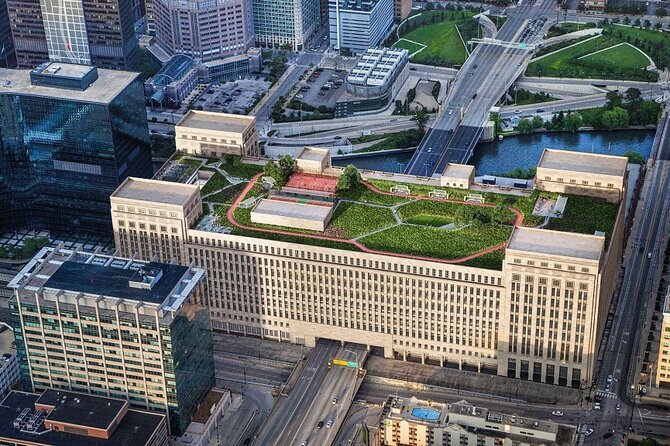
The Old Post Office Building at 433 W Van Buren St is the kind of Chicago landmark that could have gone two ways. It could have been locked behind fences while the city moved on. Instead, after sitting vacant for almost two decades, it was renovated and re-opened, keeping a lot of the original character while making the space work for today.
This tour focuses on adaptive reuse, the idea that you do not erase a great building just because its original job ended. The structure you see was completed in 1934, and it covers about 2.8 million square feet. After a major renovation, the building now works as a modern multi-use space, including large, light-filled office areas.
What I like here is the practical framing. You’re not just told the building is historic. You’re shown what designers preserved, what they changed, and why that matters when you’re trying to keep a landmark alive in a city that loves new construction.
Main Lobby and the Details You Can Actually Notice
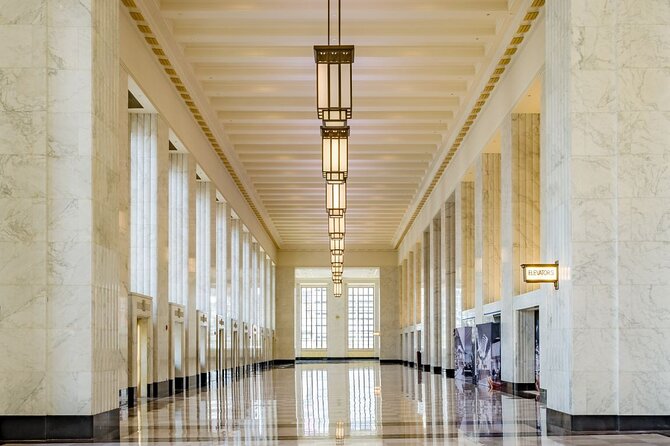
Your tour starts inside the Old Post Office and moves through the interior highlights. This is where restoration quality becomes obvious, because the lobby is not a generic showpiece. It’s a working kind of space, and the renovations had to make it comfortable for modern use without sanding off the old craftsmanship.
The Main Lobby is the big draw. The scale alone can feel surprising for a place you might have walked past on the way to somewhere else. The tour helps you slow down, look for specific building elements, and understand what you’re seeing instead of treating it like a quick photo stop.
Then you get design details that are fun in a nerdy way. Two features called out during the visit are the zig-zag wall and the postcard wall. These are the kinds of elements that connect form to function, which is exactly what makes an architecture tour worth your time.
One detail that stands out from the experience is attention to the small stuff too, like the vent covers. That might sound random until you see how these working architectural elements reflect how the building was designed to handle airflow, services, and daily operations. When the docent points them out, the building stops being a shell and starts feeling like a machine that once had a job.
Also, the tour experience can include areas that are not part of the everyday public walkthrough. That matters because it turns the restoration into something you understand from the inside, not just from a lobby photo and a quick glance at a plaque.
Zig-Zag Wall and Postcard Wall: Why These Features Matter
The zig-zag wall and postcard wall sound like they might just be interesting names. On the tour, they become a window into how the building was organized and used when it served mail operations.
What I like about this part of the tour is that it’s not only about aesthetics. You learn how design choices relate to workflow. In a building this size, even small structural decisions would have been important. The docent’s explanations help you see patterns in the layout, and you begin to understand why a place like this could run at scale.
If you like architecture that has clues built into it, this is your moment. You’ll also notice how the renovation respected those original elements instead of replacing them with bland modern equivalents. That makes the walls more than decorative. They become evidence of how the building functioned.
The Rooftop Meadow: 3.5 Acres of City Air Above the Past
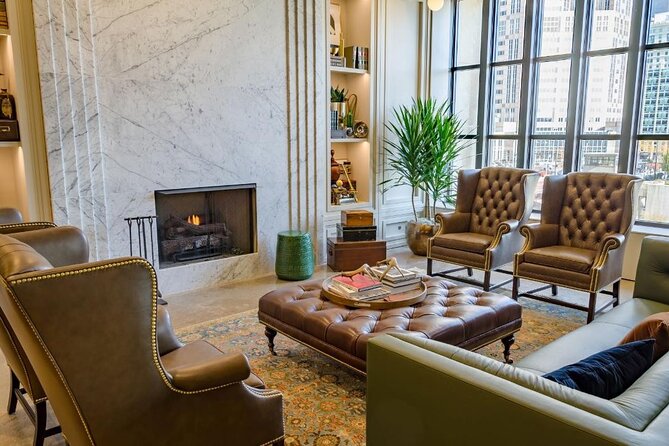
The highlight for many people is the rooftop. The tour includes the rooftop meadow, and it’s a reminder of what adaptive reuse can do when someone has real vision.
The roof was converted into a 3.5-acre urban rooftop park. That’s not just a scenic upgrade. It also changes how you experience the building. You stop thinking of the Old Post Office as a big interior space and start seeing it as part of the city, with views and open sky.
On a nice day, the rooftop can feel like a breather after time indoors. Even if you’re not a plants-and-picnics person, you’ll probably appreciate the contrast: historic massing below, and an outdoor public-feeling space up top.
This is also where the tour’s themes click. Adaptive reuse isn’t only about saving a façade. It’s about repurposing volume, light, and space in ways that create real value for how people live now.
How the Docent-Led Tour Works in Real Life
This tour is led by a certified Chicago Architecture Center docent, and it’s structured for a small group. With a maximum of 21 people, you’re less likely to feel rushed, and you can usually hear the guide well enough to keep up with the details.
The visit is about 1 hour 30 minutes, which is just enough time to get the main story without turning it into an all-day commitment. It’s also paced so you’re not just looking at the building, you’re learning how to read it.
A few practical things shape the experience:
- The building is an active commercial space, so the tour route can be adjusted by building management.
- Photography is not allowed, so you’ll want to rely on the explanations and your own observations rather than screen-capture everything.
- The tour does not include food or drink, so plan accordingly if you’re pairing it with lunch nearby.
- There’s no coat check, and there is no storage for luggage or strollers.
One more practical note. The tour ends where it starts, back at the meeting point. That makes it easier to plan your next stop, especially if you’re already moving around Chicago’s Loop area.
Beyond the skyline, the neighborhoods have their own tours and their own stories.
- Chicago Architecture River Cruise★ 5.0 · 15,756 reviews
- Chicago River 90-Minute Architecture Tour★ 4.5 · 9,629 reviews
- Chicago River: 1.5-Hour Guided Architecture Cruise★ 4.8 · 8,046 reviews
- Chicago: Gangsters and Ghosts Walking Tour★ 5.0 · 7,155 reviews
- Chicago Architecture Center River Cruise aboard First Lady★ 5.0 · 5,536 reviews
Price and Value: Is $15 Worth It?
$15 may be the kind of price that makes you wonder if it’s too small or too basic. In this case, it’s the opposite problem. The tour feels like a concentrated way to see a major landmark and learn what makes the renovation work.
Here’s why that price can be strong value:
- You’re paying for a docent-led architecture explanation, not just entrance access.
- The stops cover the building’s most talked-about interior features and the rooftop meadow, so you don’t leave feeling like you saw only a lobby and a hallway.
- The building itself is huge, about 2.8 million square feet, so a guided focus on specific elements helps you understand something big in a human way.
If you’re choosing between a quick self-guided pass and a guided architecture story, I’d lean guided here. The restrictions on photography also mean the guide’s narration becomes part of the value, not an extra.
Timing, Getting There, and What to Bring
The tour meets at 433 W Van Buren St and starts at 11:00 am. It lasts about 1 hour 30 minutes, and it’s near public transportation, which helps if you’re not driving or you want an easy connection from other Loop stops.
You’ll get a mobile ticket, and you should receive confirmation at booking time. Because the tour is booked on average about 30 days in advance, it’s smart to plan ahead if your dates are fixed.
What to bring is simple:
- Wear comfortable walking shoes. You’ll move through an active building.
- Keep expectations realistic about photos. With photography not allowed, dress for comfort and let the guide help you see.
- Bring layers if you’re going up to the rooftop meadow, since rooftop weather can change faster than street level.
And if you’re traveling with kids or strollers, know that there’s no storage on site. Service animals are allowed, and pets are not allowed.
Who This Tour Fits Best (and Who Might Skip It)
This works especially well if you love:
- Chicago architecture and want a guided explanation of restoration choices
- landmark buildings that are still useful, not museum pieces sealed off forever
- the idea of adaptive reuse, meaning how old structures get new roles
It’s also a good fit if you want a Loop-friendly activity that lasts about 90 minutes. You can slot it into a morning, then keep moving through the city without losing your whole day to logistics.
You might consider skipping if:
- you strongly prefer taking lots of photos during an attraction, since photography is not allowed
- you need food or drink included, since it isn’t
- you require luggage or stroller storage, since that’s not offered
Should You Book the Old Post Office Tour?
I think you should book if you want a guided architecture experience that makes a landmark feel understandable. For $15, you get the interior highlights, the rooftop meadow, and a docent explanation that connects design details to how the building once worked and how it works now.
If you’re the kind of traveler who reads plaques but also wants real context, this is a strong match. The size of the building is intimidating on your own, and the guided focus helps you notice what matters.
If you’re going to Chicago soon anyway, this is one of those stops that feels worth it because it’s not only about the past. It’s about what happens when a city and a building team decide the old shell can become something useful again.
FAQ
How long is the Old Post Office tour?
The tour lasts about 1 hour 30 minutes.
What does the tour cost?
Admission is $15.00 per person.
Where do I meet, and what time does it start?
Meet at 433 W Van Buren St, Chicago, IL 60607, and the start time is 11:00 am.
Who leads the tour?
A certified Chicago Architecture Center docent leads the tour.
What will I see during the tour?
You’ll tour the interior and see the Main Lobby, the zig-zag wall, the postcard wall, and the rooftop meadow.
Is this a mobile ticket?
Yes, you get a mobile ticket.
Are service animals allowed, and can I bring pets?
Service animals are allowed. Pets are not allowed.
Is photography allowed during the tour?
No, photography is not allowed.
What is the cancellation policy?
You can cancel for a full refund if you cancel at least 24 hours before the experience start time. Free cancellation is available up to that point.
Just Added





Historical Tours, compared.
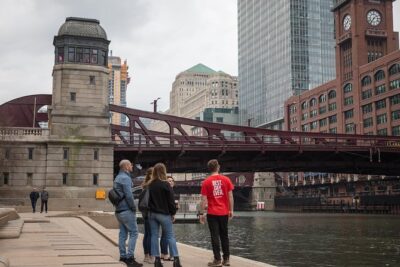
Chicago in a Day: Food, History & Architecture Walking Tour
Read our review →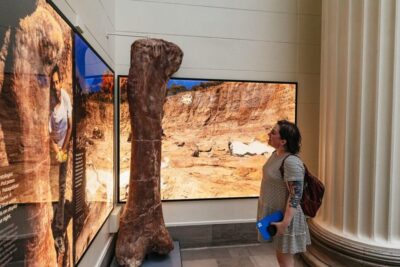
Field Museum of Natural History Ticket or VIP Tour
Read our review →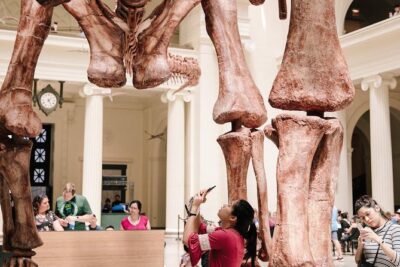
Field Museum of Natural History Admission Tickets
Read our review →
Chicago Walking Tour: Historic Treasures of Chicago
Read our review →
Historical and Architectural Chicago Fireboat River & Lake Cruise
Read our review →
Walkin’ with Colin: Chicago History-Mystery-Comedy-Tragedy Tour
Read our review →
Field Museum of Natural History All-Access Pass
Read our review →
Browse the lists this tour appears in