
Reviewed · HISTORICAL TOURS
Walkin’ with Colin: Chicago History-Mystery-Comedy-Tragedy Tour
A Chicago stroll with stories that stick. This 2-hour, 2-mile route mixes big-name art, classic skyscrapers, and real city-making history, with comedy-mystery-style storytelling. You also get several indoor moments, including impressive building interiors, so it feels like more than a quick downtown loop.
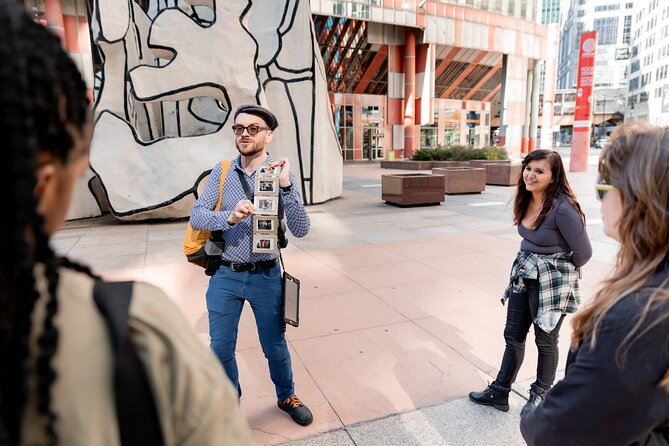
I love the art in unexpected places. You’ll see major works like Marc Chagall’s Four Seasons mosaic mural, Alexander Calder’s Flamingo, and Pablo Picasso’s monumental 50-foot sculpture, all tied to what Chicago was trying to become. I also love the pace, which stays friendly for sightseeing without turning into a full-on workout, even with stairs and escalators in the mix.
One possible consideration: you’re moving through indoor and outdoor areas, and it asks for moderate physical fitness. If the weather is rough, plan for changes or rescheduling, and bring something for wind and rain since downtown weather can turn fast.
In This Review
- Key things to know before you go
- What makes this walk different from a standard Chicago tour
- A route that starts strong at 1 N Dearborn and ends at the Cultural Center
- Chagall’s Four Seasons mosaic, plus Marquette and Calder’s Flamingo
- Rookery Building interiors and Picasso’s 50-foot Untitled
- Chicago Theatre: why it matters for entertainers, not just for the facade
- Macy’s on State Street and the Marshall Fields department store story
- Chicago Cultural Center: finishing at the People’s Palace
- Price and value: is $44 worth it for this mix of stops?
- Pace, comfort, and practical tips for an indoor-outdoor 2-mile route
- Who this tour fits best, and who might want another option
- Should you book Walkin’ with Colin?
- FAQ
- How long is the Walkin’ with Colin Chicago history and art tour?
- How far do we walk during the tour?
- What is included in the ticket price?
- Where does the tour start and end?
- What kind of fitness level do I need?
- Is the tour offered in English?
- What happens if weather is poor?
Key things to know before you go
- Chagall, Calder, and Picasso in one walk: big art moments with clear, practical context.
- Old Chicago building interiors: Marquette Building, the Rookery, and more, not just street views.
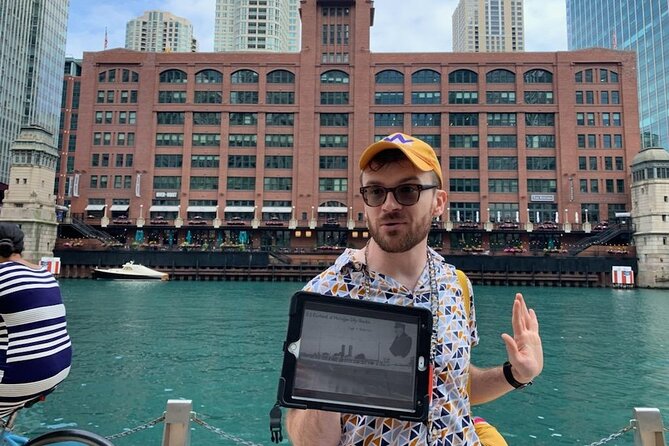
- A show-style guide, not a lecture: Colin uses humor, questions, and supporting images and footage.
- Downtown department store history: Macy’s on State Street connects Marshall Field’s story to modern retail.
- You end at the Chicago Cultural Center: a beautiful “People’s Palace” finish that makes the walk feel complete.
- Small group size: up to 10 people, which helps the story stay interactive.
A few more ways to spend a day in Chicago
What makes this walk different from a standard Chicago tour

Chicago has plenty of tours that stick to the obvious. This one leans into a different rhythm: art first, then architecture, then the people and ideas that shaped the city. You’re not just collecting photos. You’re getting a thread that connects why certain buildings exist, why art shows up where it does, and how entertainment and commerce helped steer Chicago into modern life.
The other thing I like is that the route is built for attention. Stops are short and varied, so you get momentum, then you get a fresh scene, then you get a new story angle. That matters because the most common tour problem is fatigue, and here it’s handled with smart pacing and frequent reset points.
Finally, the guide energy is part of the product. People consistently highlight Colin’s mix of comedy, mystery, and history, plus his use of supporting pictures and footage. That makes the stories easier to remember later, even if you’re not an architecture person.
A route that starts strong at 1 N Dearborn and ends at the Cultural Center
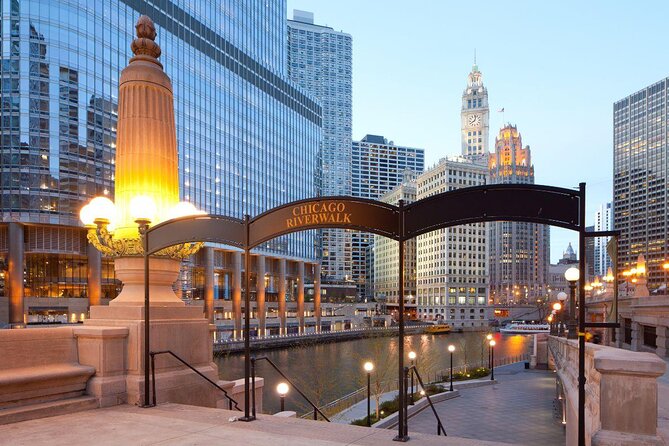
The tour meets at 1 N Dearborn St and finishes at 78 E Washington St, at the Chicago Cultural Center. That start and end pairing is handy because both areas are central and easy to reach by public transportation. If you’re staying in the loop, this is the kind of plan that fits neatly between meals and museum time.
Expect about 2 hours on foot, with around 2 miles of walking. It’s also described as an indoor and outdoor experience with stairs, escalators, and elevators. That means you’ll likely be stopping, turning corners, and climbing at a normal city pace, not slogging in one long line.
Group size is capped at 10, which is a quiet superpower. In a small group, you can ask a question and actually hear the answer, and the guide can keep the pace controlled without leaving people behind.
Chagall’s Four Seasons mosaic, plus Marquette and Calder’s Flamingo

The tour’s opening move is classic Chicago in one shot: spectacular art on a route where you’d normally just pass by.
Stop 1: Chagall’s Four Seasons is your mosaic mural moment, credited to Marc Chagall. It’s scheduled for about 15 minutes, and it’s listed as free admission, which helps. This stop works because mosaics don’t just look good from one angle. They reward you for slowing down and scanning for details, and you’ll get the story behind why it’s here and what it represents in Chicago’s public-art world.
Stop 2: Marquette Building follows, around 10 minutes. You get both exterior and interior views, and it’s described as one of the oldest and most magnificent skyscrapers in Chicago. This is where the “history” part starts to feel real. Instead of abstract facts, you’re standing in a space that shows how Chicago built itself into a skyscraper capital.
Stop 3: Calder’s Flamingo is another quick hit, about 10 minutes, with a strong pairing: modern art meets modern architecture. The Flamingo is connected in the tour to Alexander Calder and the nearby modern architecture influence of Mies van der Rohe. Even if you don’t think of yourself as an art fan, this stop tends to land because it’s visually memorable and it’s placed in a setting where modern design ideas make sense.
Practical tip: wear comfortable shoes here. The tour is not brutal, but you will be stopping often and moving between different building surfaces.
Rookery Building interiors and Picasso’s 50-foot Untitled
After the first art-and-architecture surge, the tour keeps the energy up by layering in Chicago’s signature building styles.
Stop 4: The Rookery Building is about 15 minutes. It’s described as the oldest skyscraper in Chicago and one of the most stunning buildings in the city. You’ll get to see it as more than a photo subject, because the stop includes time for looking around inside. The Rookery is the kind of place that makes you understand why Chicago was so influential in commercial architecture, and why people still talk about the city’s design legacy.
Stop 5: The Picasso is about 10 minutes. The highlight is Picasso’s gift to Chicago, the 50-foot sculpture Untitled. For a lot of visitors, this is the “wait, that’s really here” moment. It’s big enough that you can’t ignore it, and the tour’s structure helps you avoid missing it by making it a clear planned stop rather than a side quest.
From a value standpoint, this half of the tour is strong because you get three things most “downtown walks” miss:
1) time in interiors,
2) major artists,
3) architecture that connects art to real city growth.
If you’ve ever felt like other tours just point and move on, this section is built to slow you down just enough.
Chicago Theatre: why it matters for entertainers, not just for the facade
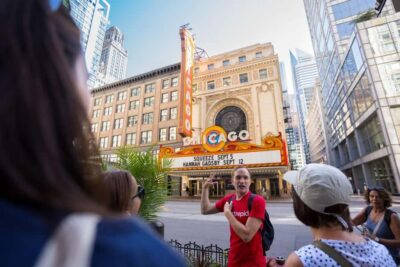
Stop 6: The Chicago Theatre is scheduled for about 15 minutes. The focus is on the iconic theater itself, plus Chicago’s role in shaping inspirations driven by major entertainers over the years.
One practical note: the stop includes Chicago Theatre admission not included. That means you should assume you’re mainly doing exterior and close-up viewing and listening for the stories that frame the building. If you want to go inside, you’ll need to plan for tickets on your own.
This stop is more than a photo stop. It helps explain why Chicago’s cultural energy isn’t random. It’s connected to how the city built stages, attracted performers, and turned entertainment into something people shared across neighborhoods and generations.
If you’re doing Chicago for the first time, this is a great moment to think beyond architecture as “buildings” and instead see it as “infrastructure for culture.”
Beyond the skyline, the neighborhoods have their own tours and their own stories.
- Chicago Architecture River Cruise★ 5.0 · 15,756 reviews
- Chicago River 90-Minute Architecture Tour★ 4.5 · 9,629 reviews
- Chicago River: 1.5-Hour Guided Architecture Cruise★ 4.8 · 8,046 reviews
- Chicago: Gangsters and Ghosts Walking Tour★ 5.0 · 7,155 reviews
- Chicago Architecture Center River Cruise aboard First Lady★ 5.0 · 5,536 reviews
Macy’s on State Street and the Marshall Fields department store story
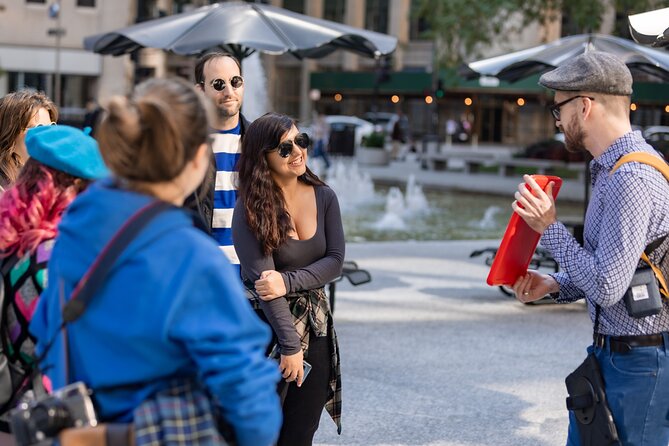
Stop 7: Macy’s on State Street is about 10 minutes, with the tour focusing on the original Marshall Fields department store idea. The key takeaway is that this wasn’t just shopping. It was a revolutionary retail model that helped shape modern-day department store culture.
This is a smart inclusion because department stores tell you how a city changed. They show how people moved through downtown, how goods were presented, and how brands learned to create experiences. In other words, it’s city history you can actually visualize in a place you might already want to visit anyway.
It’s also a useful break point in the walk. After more art and architecture time, a retail history story gives your brain a different kind of hook and keeps the tour feeling varied rather than repetitive.
Chicago Cultural Center: finishing at the People’s Palace

Stop 8: Chicago Cultural Center is about 15 minutes and it’s where the tour ends. It’s described as a beautiful building with a library legacy, and the Cultural Center is often called the People’s Palace, which gives you an immediate sense of why it’s a strong finish.
This last stop matters because it changes the mood from “grab the sights” to “connect the dots.” By the time you get here, you’ve seen major public art, big architectural statements, and commercial history. Then you finish in a place built for public culture, learning, and community use.
If it’s cold, windy, or rainy, this ending can also feel like a gift. You’re already in central indoor space, so it’s easier to transition into your next plan without feeling like you need to escape the weather immediately.
Price and value: is $44 worth it for this mix of stops?
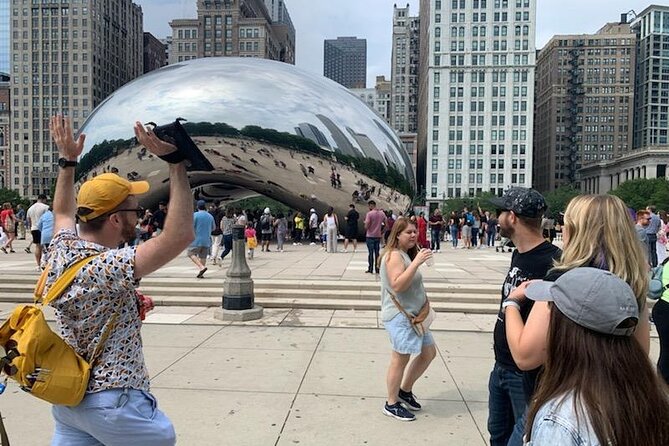
The price is $44 per person for about 2 hours. That’s not the cheapest thing you can do in Chicago, but it’s also not an inflated price for a downtown experience that includes multiple major landmarks and several interior moments.
Where the value shows up:
- You’re paying for a guided story that connects art, architecture, and cultural history into one route.
- The tour includes several planned free admission stops, which keeps your total cost from creeping up.
- The group size stays small, so the time doesn’t feel rushed.
What could affect your total spend: Chicago Theatre admission is not included. Also, you’ll naturally want snacks and drinks nearby, since the route is downtown. But those are personal choices, not tour requirements.
One more value point: it has a strong track record, with a 5 out of 5 average and 218 reviews listed, plus a 100% recommendation note. I don’t treat that as gospel, but it does suggest the format works for lots of people, not just one niche.
Pace, comfort, and practical tips for an indoor-outdoor 2-mile route
This tour is described as adventurous in the sense that it includes indoor and outdoor walking, stairs down and up, and elevator or escalator moments. You also need moderate physical fitness.
Here’s how I’d plan for it:
- Wear shoes you can walk and stand in for about 2 miles total, with frequent stop-and-start moments.
- Bring a layer for indoor cooling and outdoor wind. Chicago can swing fast.
- If it’s raining, plan for a pivot. The guide experience includes adapting when weather turns, including shifting to covered or underground routes when needed.
Reviews also mention that Colin gives time for breaks and keeps a pace that works even for families and mixed groups. That’s good news if you want to see a lot without feeling like you’re sprinting between stops.
Who this tour fits best, and who might want another option
This is a strong choice for:
- First-time visitors who want a Chicago intro that goes past the basics.
- People who like art and architecture, but do not want to memorize a textbook.
- Anyone who enjoys storytelling that’s part history, part humor, and easy to follow.
It’s also a good match if you want a tour that ends at a meaningful public space, not back at a random corner. Finishing at the Chicago Cultural Center makes it easier to continue your day.
You might look at a different option if:
- You have mobility limits that make stairs and frequent building transitions tough. The route includes upstairs, downstairs, elevators, and escalators, so it’s not purely flat.
- You hate weather-dependent plans. The experience is said to require good weather, so you should be ready for schedule changes if conditions are poor.
Should you book Walkin’ with Colin?
Yes, if you want a downtown Chicago walk that feels like a curated story, not a checklist.
Book it if you care about seeing major art tied to real architecture and city-making. The lineup is strong, and the pacing is built for staying engaged. I also like that you finish at a major cultural building, which keeps the whole outing from feeling unfinished.
Before you go, double-check whether you’re comfortable with a 2-mile, indoor-outdoor route that includes stairs and escalators. If that’s no problem, this is one of those $44 activities where you’ll likely feel like you got more than you paid for, especially because the guide experience is designed to keep the stories lively and memorable.
If you’re already doing Chicago for the art and architecture, this is a great connector tour that ties the city’s creative and commercial history together in one smooth afternoon or morning slot.
FAQ
How long is the Walkin’ with Colin Chicago history and art tour?
It runs about 2 hours.
How far do we walk during the tour?
The tour is listed as a 2-mile route.
What is included in the ticket price?
The tour includes the guided experience and entry is listed as free for most stops, but Chicago Theatre admission is not included.
Where does the tour start and end?
It starts at 1 N Dearborn St and ends at the Chicago Cultural Center, 78 E Washington St.
What kind of fitness level do I need?
You should have a moderate physical fitness level, since the tour includes indoor and outdoor walking and also involves stairs and escalators or elevators.
Is the tour offered in English?
Yes, it is offered in English, and you’ll receive a mobile ticket.
What happens if weather is poor?
The experience requires good weather. If it’s canceled due to poor weather, you’ll be offered a different date or a full refund.
Just Added






Historical Tours, compared.
Chicago in a Day: Food, History & Architecture Walking Tour
Read our review →
Field Museum of Natural History Ticket or VIP Tour
Read our review →
Field Museum of Natural History Admission Tickets
Read our review →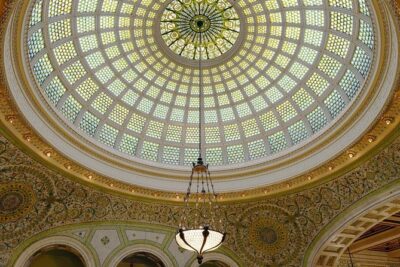
Chicago Walking Tour: Historic Treasures of Chicago
Read our review →
Historical and Architectural Chicago Fireboat River & Lake Cruise
Read our review →
Field Museum of Natural History All-Access Pass
Read our review →
Browse the lists this tour appears in