

Reviewed · ARCHITECTURE TOURS
Chicago: Icons Guided Architecture Walking Tour
Chicago buildings tell a story if you know where to look. I love the seven downtown stops and the way the guide connects each era to what came next. I also like the chance to get direct answers to your questions as you stand in front of the real buildings. One possible drawback, there is no storage for luggage or strollers, so keep what you carry to a minimum.
This is a 90-minute walking tour that runs rain or shine, starting at the Chicago Architecture Center on E Wacker Drive. You’ll look at major styles from the late 1800s through the present, then finish at Millennium Park, where art and architecture mesh into one public space. Before you head out, you also have admission to the Chicago Architecture Center galleries, which helps you get your bearings fast.
Tickets here support the Chicago Architecture Center’s education and community work, including programs such as Girls Build! and Teen Fellows. That makes the experience feel more grounded than a simple photo walk. It is also a good sign that this is led by a certified professional guide, not a random “group leader” vibe.
In This Review
- Key things to know before you go
- Entering The Chicago Architecture Center, your “what am I looking at?” moment
- The 90-minute format: enough time to learn, not enough time to wander
- Seven downtown stops, one citywide architectural conversation
- 19th-century Commercial style: the city getting organized for growth
- Beaux-Arts: order, symmetry, and civic confidence
- Mid-Century Modern: clean lines, new materials, new thinking
- Postmodern: personality returns, rules loosen
- How the guide connects past buildings to modern skyline additions
- Modern architecture names you’ll hear while you look at downtown
- Ending at Millennium Park: where art and architecture meet
- Guide quality is the whole point, and it shows
- Price and value: where $35 really pays off
- What to do before and after the walk
- Should you book Chicago’s Icons Architecture Walking Tour?
- FAQ
- Where is the meeting point for the tour?
- How long is the guided tour?
- Do I need to bring a ticket?
- Is the tour wheelchair accessible?
- What is included in the ticket price?
- What is not included?
- Are pets allowed?
- What if it rains?
Key things to know before you go
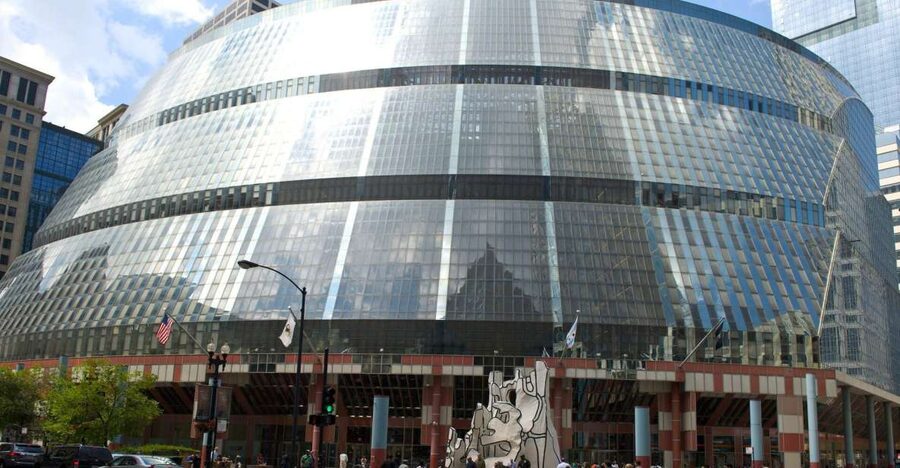
- Seven downtown stops that compare Chicago’s architectural eras side by side
- A real timeline of styles, from 19th-century Commercial to Beaux-Arts, Mid-Century Modern, and Postmodern
- Living design lessons, where you hear how older buildings connect to the modern skyline
- Modern names on the radar, including Frank Gehry, Renzo Piano, and Adrian Smith
- A smart finish at Millennium Park, linking architecture with world-class public art
- CAC gallery admission included, so you can understand what you are about to see
Chicago's skyline, explained block by block
Entering The Chicago Architecture Center, your “what am I looking at?” moment
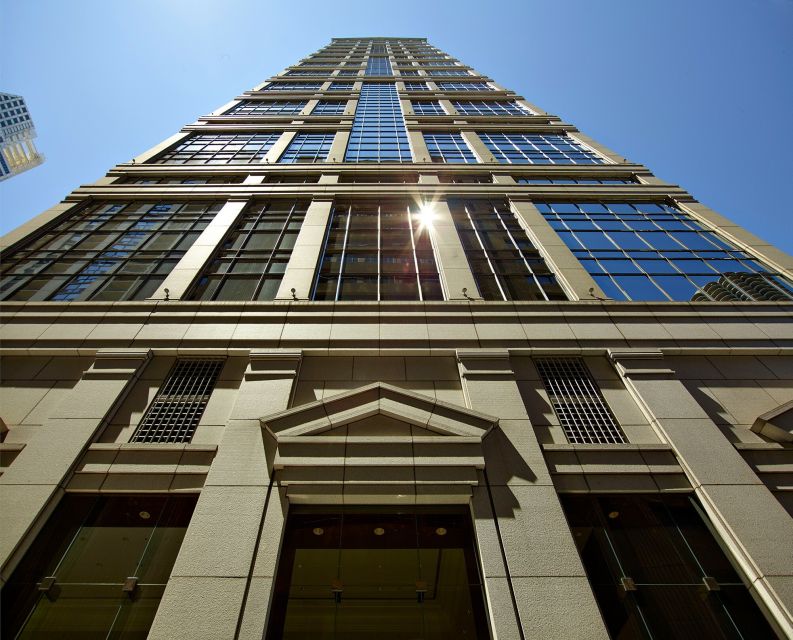
The tour begins at the Chicago Architecture Center, 111 E Wacker Drive. That matters, because CAC is not just a ticket desk. It is the place where Chicago’s architecture gets explained in plain language, so you start the walk already thinking in structures, materials, and design choices instead of only skyline selfies.
You also get admission to the CAC galleries. Even if you do not spend a long time inside, that quick context can change how you read what you see outside. Chicago architecture can feel like “big buildings” from a distance. In the galleries, you get the vocabulary to notice patterns, transitions, and what makes a style recognizable.
I like tours that include this small educational buffer. It makes the outdoor walk feel less like random facts and more like a guided storyline you can follow. And if you are the type who enjoys asking questions, the CAC setting helps you get into the right mindset before you step onto busy sidewalks.
The 90-minute format: enough time to learn, not enough time to wander
Ninety minutes is a sweet spot for Chicago. Long enough to cover multiple styles and show connections across eras. Short enough that you can still explore on your own afterward, grab a meal, or tack on a museum visit without losing a whole afternoon.
Expect a rain or shine walk. That is a big practical note. Chicago weather can switch moods fast, so wear shoes that work on sidewalks and consider a light rain layer. I also suggest you bring water, even if you are not getting food on the tour. You are walking for an hour and a half, so your comfort affects how much you absorb.
This kind of pacing works well because you are not trying to “study” buildings for hours. Instead, you get repeated opportunities to look up, compare, and listen. You also learn how to notice details that you might otherwise miss, like how a facade is organized, how openings are spaced, and how the building’s style choices signal its time.
Seven downtown stops, one citywide architectural conversation
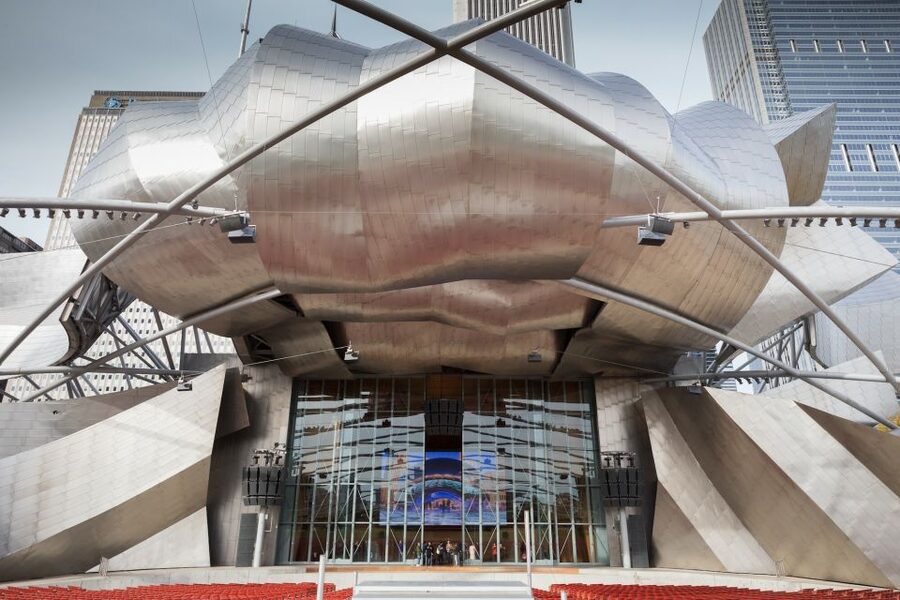
The core idea is simple and smart: you will make seven stops in downtown Chicago, and you will see the city’s architectural evolution from the late 1800s to the present. You are not just looking at pretty buildings. You are learning how Chicago reuses ideas, responds to new technology, and keeps building upward while older styles still shape the streetscape.
Here’s how the style comparisons tend to land when you walk through them in sequence:
19th-century Commercial style: the city getting organized for growth
The tour includes the famous 19th-Century Commercial style, the kind of architecture that helped downtown businesses operate and grow. When you stand in front of these buildings, look for how the design supports daily function: repeated window rhythms, strong street presence, and the sense that the building is meant to work hard for commerce. This is Chicago learning to scale.
What I like about this early stop is the “foundation” feeling. You start noticing that modern Chicago did not appear from nowhere. The skyline is built on street-level decisions made long ago.
Beaux-Arts: order, symmetry, and civic confidence
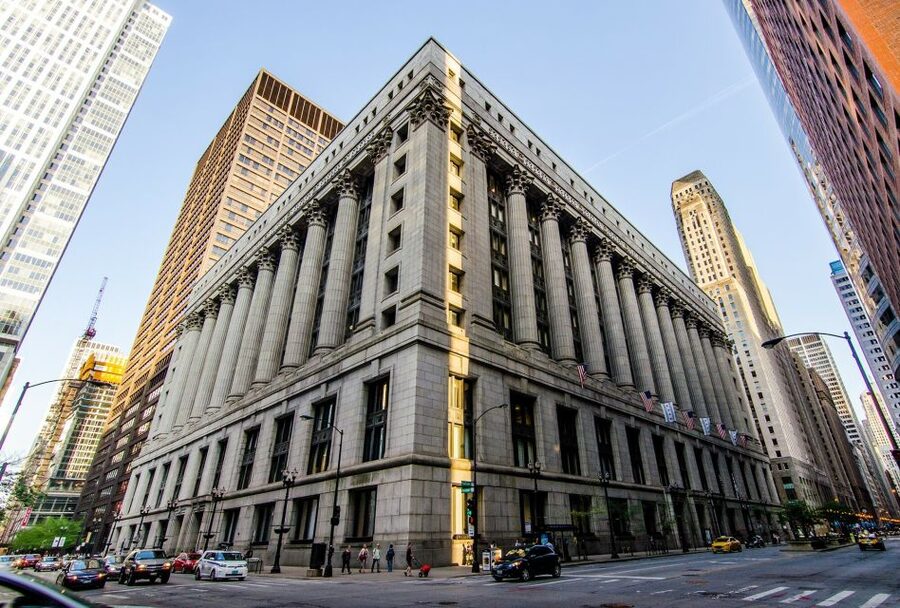
Then you move into Beaux-Arts territory, where architecture often leans toward grandeur, symmetry, and a kind of formal confidence. Even when a building is privately owned, Beaux-Arts style can carry the feeling of a public monument.
As you switch from Commercial to Beaux-Arts, the contrast teaches you something valuable: style is not just decoration. It is a statement about identity. It tells you what people wanted Chicago to communicate at the time, and why that mattered for status and ambition.
A few more ways to spend a day in Chicago
- Chicago: Gangsters and Ghosts Walking Tour★ 5.0 · 7,155 reviews
- Chicago Favorites Ultimate Food and Walking Tour★ 5.0 · 1,962 reviews
- Chicago: Gangsters and Ghosts Guided Walking Tour★ 4.7 · 1,697 reviews
- Chicago in a Day: Food, History & Architecture Walking Tour★ 5.0 · 1,153 reviews
- Chicago’s Secret Interiors Architectural Walking Tour★ 5.0 · 635 reviews
Mid-Century Modern: clean lines, new materials, new thinking
Next comes Mid-Century Modern, a style Chicago strongly shaped as it moved into the era of sleek forms and different construction priorities. When you see these buildings after the more ornamented styles, you can spot how design shifts toward simplicity, clarity, and a sense that the building should look efficient and future-ready.
I find this part of the walk especially useful for beginners. Modern architecture can look “simple” at first glance, but a good guide points out what is actually doing the work, like how structure, spacing, and facade logic create that clean look.
Postmodern: personality returns, rules loosen
Finally, Postmodern architecture adds another twist. It often brings back visual play, references to older design, and the feeling that the building is willing to wink at the viewer. On a street like Chicago, where layers of styles overlap, Postmodern can feel like the city talking back to its own past.
This is where “compare and contrast” becomes more than a slogan. You start to see Chicago’s skyline as an ongoing argument between tradition and innovation.
How the guide connects past buildings to modern skyline additions
One of the strongest parts of this tour is the focus on connections between past and present. You do not just hear “this is the style.” You hear why it shows up here, and how it sets the stage for what comes later.
That matters for you because Chicago can be visually loud. If you arrive with only a checklist, you might miss the logic. A good guided walk helps you build a mental map. You start recognizing patterns like how older structures hold their own even when newer buildings rise nearby, and how the city’s street grid forces different styles to negotiate with each other.
This is also where the tour’s promise about design inspiration comes through. The guide talks about what inspires architects today by pointing back to what Chicago already tried before.
Modern architecture names you’ll hear while you look at downtown
You will also discover the latest in architecture through references to Frank Gehry, Renzo Piano, and Adrian Smith. Even without turning the walk into a pop-architecture lecture, these names give you a framework.
They help you connect what you see at ground level to the bigger forces shaping modern design: new engineering possibilities, different approaches to materials, and shifting ideas about what a skyline should communicate. It is one thing to recognize that “a building looks modern.” It is another to understand that modern design has its own vocabulary and influences.
I especially like how this tour anchors those big names in the real context of Chicago streets. That prevents the experience from becoming theoretical. You look up, you hear the design story, and you start making your own connections.
Ending at Millennium Park: where art and architecture meet
The tour finishes with a visit to Millennium Park, described as a place where world-class art and architecture combine into a unique urban fabric. In practical terms, this is a great way to close, because you end in a setting that feels meant for people.
Think of Millennium Park as more than a final stop. It is a reminder that architecture is not only about buildings you enter. It is also about public space. It shapes how you move, where you gather, and how a city invites you to linger.
If you want a quick next step after the tour, this is where it works. You can keep exploring the park right away, or use the renewed sense of architectural awareness to spot details as you move toward other neighborhoods.
Guide quality is the whole point, and it shows
This tour is led by a certified and professional guide, and the difference is obvious when you listen. The best walking guides do two jobs at once. They keep the pacing moving so you do not lose time. And they translate design terms into everyday understanding you can use right away.
Recent feedback points to two guide names that show up clearly: Teresa and Ron. Both are praised for strong knowledge and for giving clear context, even for people who have lived in Chicago for decades. One experience also mentions a great notebook of nuggets, which is exactly what I want on a walking tour. Take-home notes help the information stick after the sidewalks and street crossings fade away.
I also value the way these guides handle questions. Architecture tours are better when you can ask “why does it look like that?” and get a direct answer, not a polite deflection.
Price and value: where $35 really pays off
The tour is priced at $35 per group (listed for up to 1), and that pricing makes sense only if you look at what you get. You are paying for a guided walkthrough of multiple major architectural styles, plus admission to the CAC galleries.
If you were to do this on your own, you could certainly read up beforehand. But you would be missing the in-person translation, the pacing that prevents you from getting lost in trivia, and the built-in comparisons that show up only when you see buildings in sequence. For many visitors, that is the whole value.
There is also a meaningful civic angle. Tickets purchased for experiences run by the Chicago Architecture Center help fund community education initiatives, including programs like Girls Build! and Teen Fellows. That means you are not just purchasing access, you are supporting the institution that keeps Chicago’s architecture literacy alive.
What to do before and after the walk
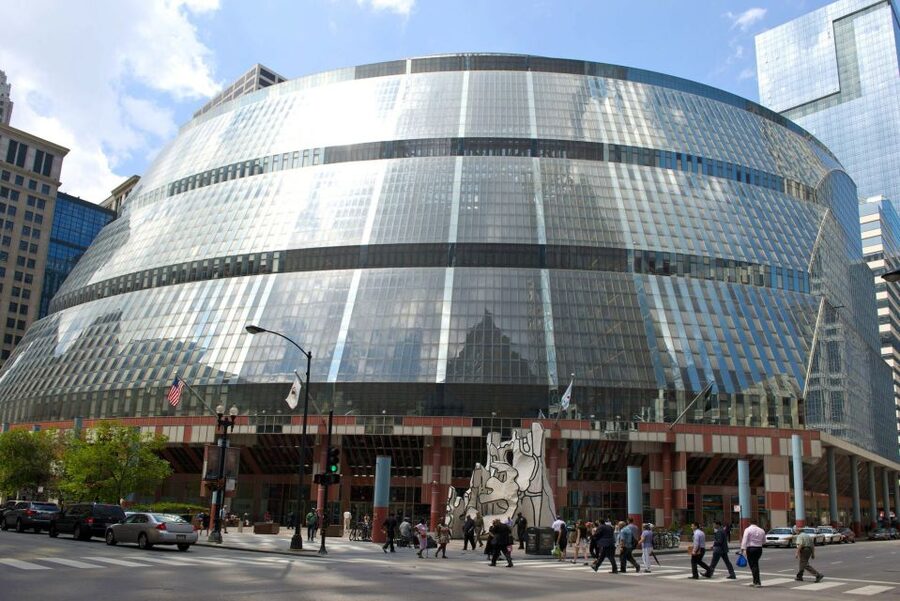
To get the most out of 90 minutes, arrive ready to walk and ready to look up. I’d do three practical things:
- Wear shoes that handle wet pavement and frequent curb cuts.
- Bring a printed or mobile ticket so you can check in quickly at CAC.
- Keep your phone battery up, because you will want to reference buildings and keep the notes you take.
After the tour, I recommend giving yourself time near the finish point. Starting at Millennium Park is useful because you can immediately apply what you learned. You’ll start noticing architectural decisions in places you might otherwise treat as scenery.
Should you book Chicago’s Icons Architecture Walking Tour?
Book it if you want a guided, style-focused way to understand Chicago fast. It is ideal for first-time visitors who want a credible overview of major architectural eras without getting overwhelmed. It is also a good choice if you are a longtime Chicago fan who still enjoys being shown the meaning behind the skyline, not just the skyline itself.
I would hesitate if you need extensive stroller or luggage storage, because none is available. I’d also keep an eye on your confirmation before heading to CAC, since one real-world scheduling hiccup was reported when a reservation did not register correctly.
If you fall in the sweet spot of “I want to learn, not just photograph,” this tour is a smart use of time, and it ends in one of Chicago’s best places to keep thinking like an architect.
FAQ
Where is the meeting point for the tour?
The tour meets at the Chicago Architecture Center, 111 E Wacker Drive, Chicago, IL 60601.
How long is the guided tour?
The walking tour lasts about 90 minutes.
Do I need to bring a ticket?
Yes. Please have a mobile or printed ticket ready when you arrive.
Is the tour wheelchair accessible?
Yes, the tour is wheelchair accessible.
What is included in the ticket price?
Included are a certified, professional guide and admission to the galleries of the Chicago Architecture Center.
What is not included?
Hotel pickup and drop-off, food and drinks, and storage for luggage or strollers are not included.
Are pets allowed?
Pets are not allowed. Assistance dogs are allowed.
What if it rains?
The tour takes place rain or shine.
Just Added






Architecture Tours, compared.


Chicago Architecture Center River Cruise aboard First Lady
Read our review →
Architecture River Cruise Skip-the-Ticket Line
Read our review →
Chicago River 45-Minute Architecture Tour from Magnificent Mile
Read our review →

45-Minute Family-Friendly Architecture River Cruise
Read our review →Browse the lists this tour appears in