
Reviewed · ARCHITECTURE TOURS
Chicago: Evolution of the Skyscraper Walking Tour
Skylines have stories, and you can walk them. This 90-minute Chicago Architecture Center tour traces Chicago’s rise, from early river growth to today’s skyline, with a local expert guide and buildings shown in the order they shaped the city.
I especially liked the chronological skyline walkthrough, because it helps you understand how each era’s tastes and tools influenced what got built. I also enjoyed seeing key landmarks up close, from the Page Brothers Building and Old Dearborn Bank to later icons like the NBC Tower, all while you learn what changed and why.
One thing to consider: this is an outdoor walk that runs rain or shine, and there is no secure storage for luggage or strollers, so pack light and dress for the weather. Rain or shine can be a deal-breaker if you hate being outside.
In This Review
- Key things I’d focus on before you go
- Starting Inside the Chicago Architecture Center
- The 90-Minute, River-to-Skyline Story You Can Actually Follow
- How the Chicago River Sets Up the Whole Skyline
- Rebirth After the Great Chicago Fire, Then Building for a New Age
- Spotting Architectural Style Changes Without Getting Lost
- Seeing Engineering Progress, Not Just Pretty Buildings
- The Buildings You’ll Walk By, Including Page Brothers and NBC Tower
- Getting Answers From a Chicago Architecture Center Certified Guide
- Price and Value: What $35 Buys You in the Real World
- What to Bring, What to Avoid, and How to Make It Comfortable
- Who This Tour Fits Best (and Who Might Skip It)
- Should You Book This Chicago Skyscraper Walking Tour?
- FAQ
- Where does the tour start?
- How long is the walking tour?
- What is included with the ticket price?
- What kinds of buildings will we see?
- What should I bring?
- Are pets allowed?
- Can I bring luggage or a stroller?
- Does the tour run in bad weather?
- Is cancellation available?
- What languages are offered?
Key things I’d focus on before you go
- Chronological order that connects the story of Chicago River commerce to modern skyscrapers
- Chicago Architecture Center certified guides who can answer real questions on the spot
- Technology changes you can see, not just read about, as buildings get taller over time
- Major downtown stops including Page Brothers Building, Old Dearborn Bank, Chicago Motor Club, Carbide and Carbon Building, and NBC Tower
- Exhibit time included, with a miniature of the Chicago Loop plus books and gifts in the shop
Chicago's skyline, explained block by block
Starting Inside the Chicago Architecture Center

The meeting point is inside the Chicago Architecture Center at 111 E. Wacker Drive. If you arrive a few minutes early, I think you’ll enjoy grabbing a sense of place before you hit the sidewalks. You also get admission to the Chicago Architecture Center exhibits, so it is not just a walk, it is a quick architecture primer right away.
One practical bonus: the center itself has a miniature of the Chicago Loop, and that kind of model makes downtown streets feel less confusing once you’re out walking. It also helps you spot where you are headed, especially if this is your first time in the area.
If you like browsing, plan a few minutes for the books and small gifts in the shop. Nothing wrong with keeping it simple, but I found it useful to have something tangible to remember what you just learned.
The 90-Minute, River-to-Skyline Story You Can Actually Follow
This tour keeps you on a timeline. You start with Chicago’s growth tied to the Chicago River, then move through the city’s rebound after the Great Chicago Fire, and into its later role as a commercial and cultural hub. The big idea is that you are not just looking at tall buildings, you’re seeing how the city rebuilt itself and then pushed construction further.
The pace fits the format. Ninety minutes sounds short, but it gives time to connect story beats without turning it into a marathon lecture. You spend enough time outside to notice details on façades and building forms, then you get the context so those details mean something.
You’ll also walk in an extended downtown zone around the river and Michigan Avenue. That works well because it keeps you focused on the skyline’s “main roads” rather than scattered stops far from each other. If you prefer architecture at street level, this is the kind of layout that makes you feel like you’re in the city’s acting space.
How the Chicago River Sets Up the Whole Skyline
Early Chicago is tied to the river, and this tour makes that connection early. The Chicago River is more than scenery here. It is the reason Chicago grows, trades, and gathers power, and that history becomes the foundation for everything that comes later.
I like this approach because it prevents the tour from feeling like a random list of impressive buildings. Instead, you get a cause-and-effect flow. When the guide points to downtown structures, the river story is what you have in your head, so the skyline stops being just a backdrop.
As you walk, you’ll keep hearing how the city evolves from its early days and then later shifts into something bigger and more structured. Even if you already know a little about Chicago, this framing helps you see how urban growth drives architecture, not the other way around.
Rebirth After the Great Chicago Fire, Then Building for a New Age
Chicago’s rebound after the Great Chicago Fire is a central turning point on this walking tour. The way it is presented makes it feel practical, not just dramatic. You learn how the city’s rebuilding effort set up later commercial ambition and cultural identity.
This part matters because skyscrapers are never just design choices. They are solutions to the problems and opportunities of their time. Once the city takes off again, you start seeing how new building styles matched the fashions and expectations people had in those eras.
You’ll also hear the narrative connected to Chicago’s growth into a commercial and cultural hub. That is a key shift. Buildings start functioning as more than shelters for people or businesses. They start acting as statements about status, stability, and modern life.
Spotting Architectural Style Changes Without Getting Lost
One of the best parts of this tour is how it treats building design as a reflection of the moment. You see how architects adapt styles to match the fashions of their era. That is a helpful way to look, because it gives you an easy “lens” while you’re outside.
Instead of only asking, what is the most famous building here, you begin asking, what was happening in Chicago when this was built, and what did people want to look at or feel? When you walk through a chronological route, you naturally notice shifts in form and detail because you’re moving through time in the real world.
You’ll also get repeated reminders that each structure has its own unique design. Many are recognizable because of scale, but you still learn where to look for differences in character. That keeps the tour from turning into a skyline photo session.
A few more ways to spend a day in Chicago
- Chicago: Gangsters and Ghosts Walking Tour★ 5.0 · 7,155 reviews
- Chicago Favorites Ultimate Food and Walking Tour★ 5.0 · 1,962 reviews
- Chicago: Gangsters and Ghosts Guided Walking Tour★ 4.7 · 1,697 reviews
- Chicago in a Day: Food, History & Architecture Walking Tour★ 5.0 · 1,153 reviews
- Chicago’s Secret Interiors Architectural Walking Tour★ 5.0 · 635 reviews
Seeing Engineering Progress, Not Just Pretty Buildings
This walk does a good job tying architectural technology to what you can observe. The tour explicitly focuses on how engineering evolved, including the push to build taller than ever before. That means you are not only learning aesthetics, you are learning how the construction “brains” advanced.
I liked that it stays grounded in visible design choices. Even without turning into a technical class, you get a sense that the skyline grows for a reason. Materials, methods, and ambitious planning show up in what gets built and how.
It also helps that the tour covers multiple notable structures across different eras. When you see several buildings on a timeline, you can feel the progression. You leave with more than names. You leave with a mental model for how skyscrapers change as capabilities expand.
The Buildings You’ll Walk By, Including Page Brothers and NBC Tower
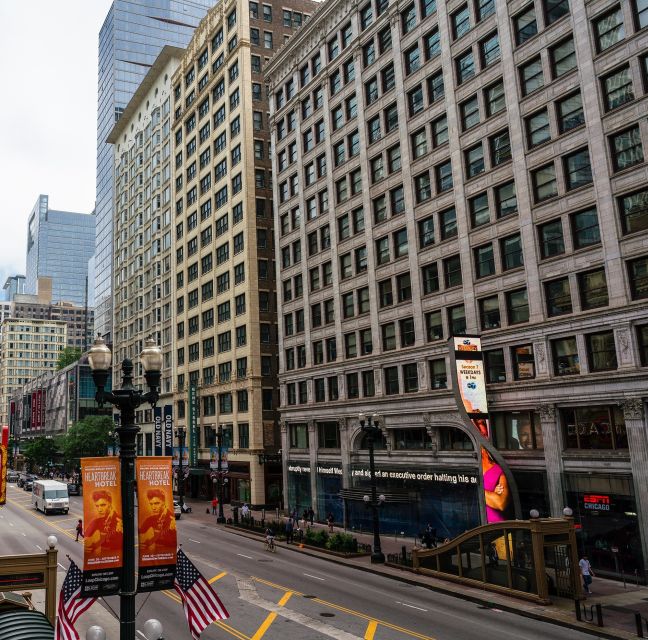
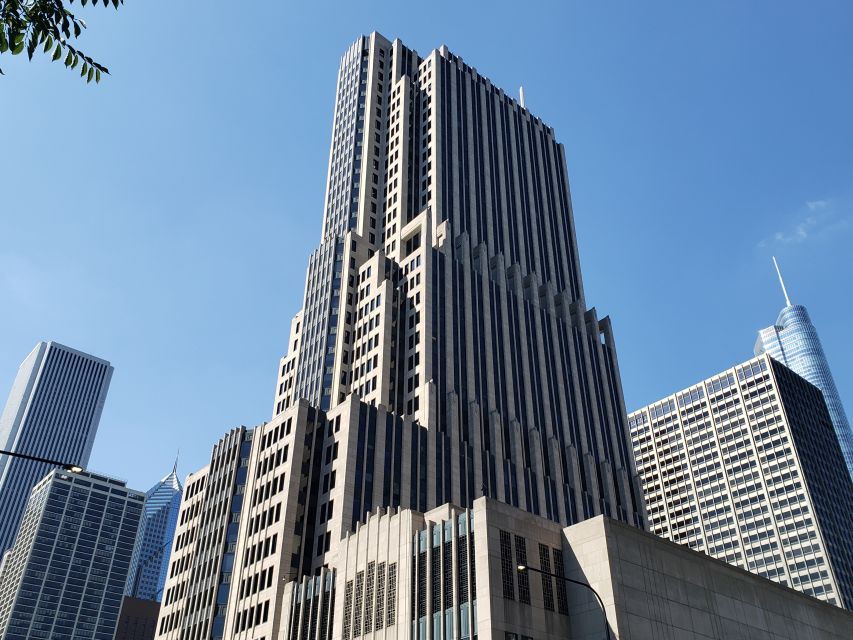
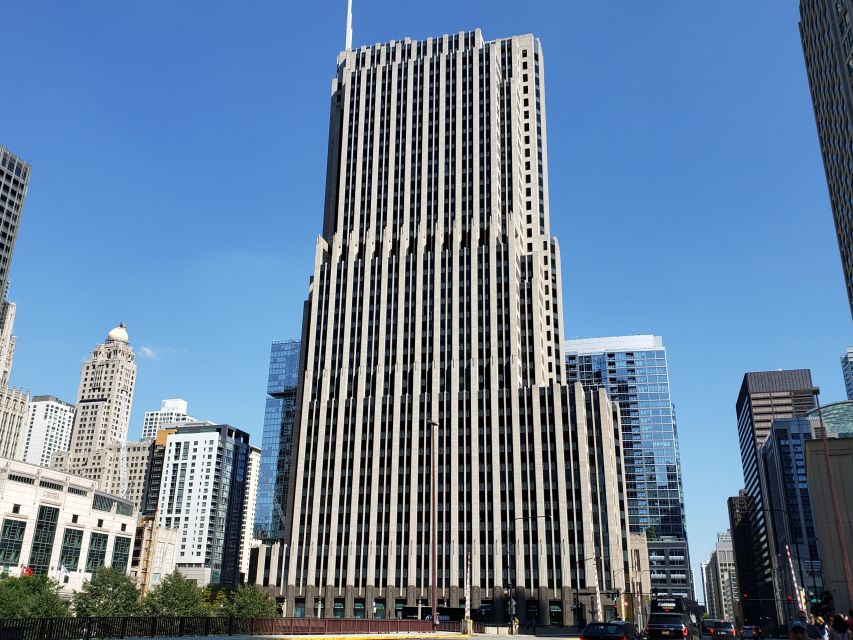
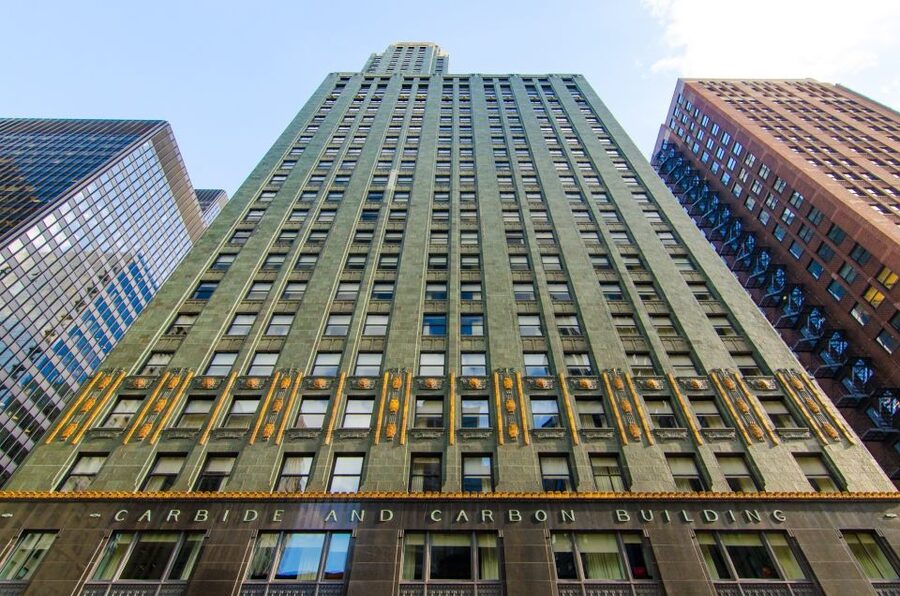
You’ll see a sequence of architecturally significant downtown buildings, presented in order as the city develops. The examples mentioned include the Page Brothers Building, Old Dearborn Bank, the Chicago Motor Club, the Carbide and Carbon Building, and NBC Tower, plus additional structures along the way.
Here’s how I’d interpret that for your planning. If you are the type who gets excited by landmark names, you will be satisfied because the tour includes multiple big hitters. If you are more interested in understanding the logic of change, you will like the way the guide connects each stop to the larger story: river growth, rebuilding, commercialization, and the evolution of technology and styles.
Also, walking past real buildings has a different feel than viewing them from afar. From street level, you get a better sense of scale and proportion, and you start noticing how details and materials behave at a human distance. That is where the guide’s explanations help most, because they tell you what to look for rather than expecting you to guess.
Getting Answers From a Chicago Architecture Center Certified Guide
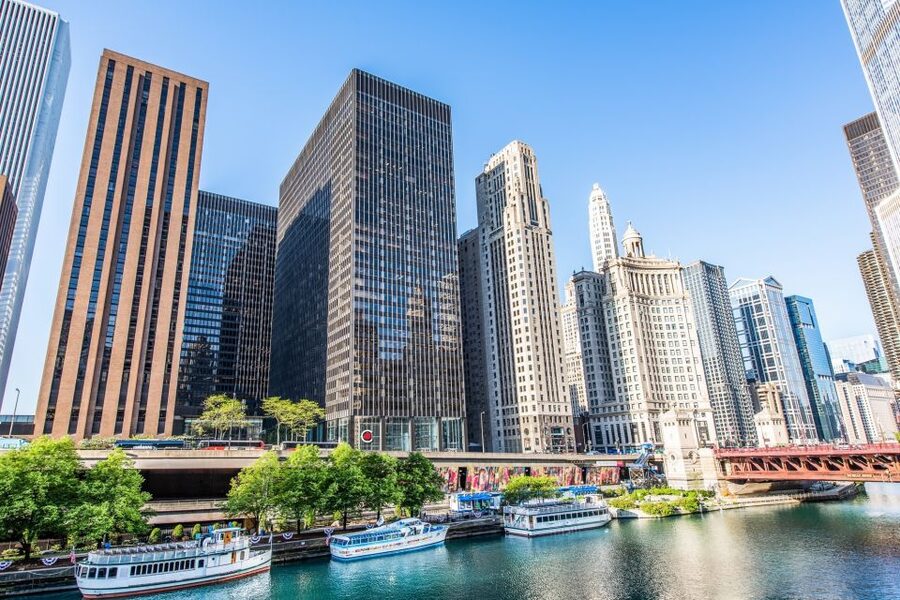
The tour is led by a certified guide from the Chicago Architecture Center, trained by the institution that is widely recognized as the authority on local architecture. That matters because you are paying for interpretation, not just directions and photos.
In one experience, the guide was Mitch, and the way he delivered the history made it feel like a story you could follow while strolling. The information connected multiple downtown skyscrapers into one narrative, and it also made space for questions. That question time is a big deal on architecture walks, because everyone notices different things and wants to understand their angle.
I’d treat this as a guided learning experience you can actively participate in. If you have a question like why a building looks a certain way, or what a feature suggests about its era, this is exactly the kind of tour where you can ask and get a real explanation.
Price and Value: What $35 Buys You in the Real World
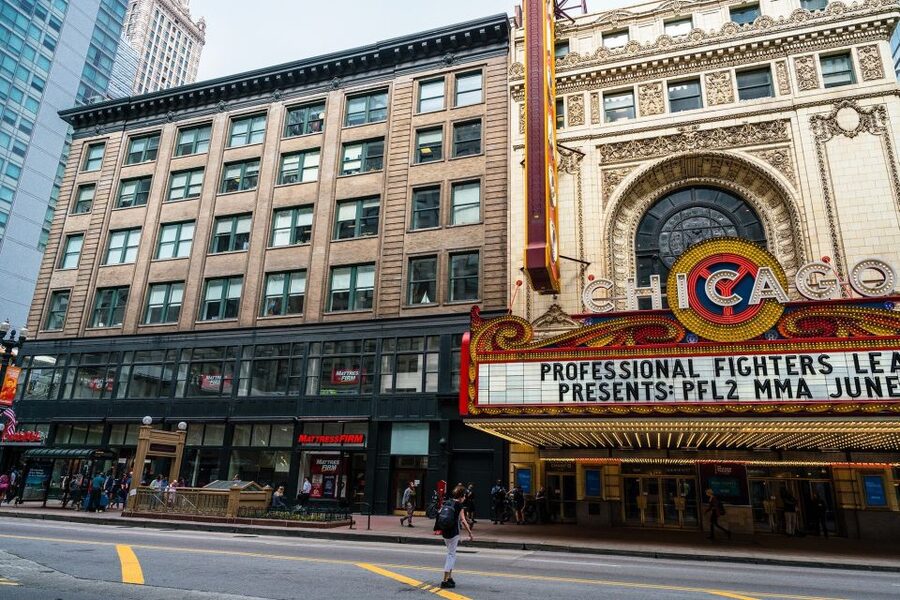
The price is listed at $35 per group up to 1 for a 90-minute tour. What makes that feel fair is what’s included. You get the 90-minute walking tour, a Chicago Architecture Center certified guide, and admission to the Chicago Architecture Center exhibits.
If you already plan to visit the center anyway, the package effect is stronger. Even if you do not, you still get a structured orientation to downtown architecture that would be hard to replicate on your own without reading a lot first. The guided format also saves time. You can get the city’s building timeline in a single outing rather than piecing it together across multiple research sessions.
There is also a local impact element. Ticket purchases support Chicago Architecture Center education initiatives like Girls Build!, Teen Fellows, and the Newhouse Architecture + Design Competition. The center is a certified nonprofit, and the funds also help keep programs like Open House Chicago free for participants. That is worth considering if you care about investing in local learning, not just collecting sights.
What to Bring, What to Avoid, and How to Make It Comfortable
Bring a face mask or protective covering, since it is listed as something you should have. Wear shoes you can walk in for the full ninety minutes, because this is a true walking tour rather than a short stop-and-go photo route.
Plan for weather. The tour departs rain or shine, and there are no refunds due to weather. If you get cold fast, think layers. If rain is likely, have a compact rain layer instead of hoping for perfect luck.
There are also limits on what you can carry. Pets are not allowed, service animals are welcome, and luggage or large bags are not supported. The tour cannot provide secure storage for luggage or strollers, and coat check is not included. If you are traveling with kids or extra gear, go light or make other storage arrangements before you come.
Who This Tour Fits Best (and Who Might Skip It)
This is a strong match if you want a clear overview of Chicago’s skyline with a story you can track from the river onward. It is especially good for first-timers who are curious about how the city got shaped, not just which towers are tallest or famous.
You will also like it if you enjoy architecture that connects form to time. The tour’s focus on chronological building development, evolving technology, and style changes is built for people who like patterns and explanation.
If you hate walking, or if being outside in changing weather is stressful, you may want to consider a more indoor option. This one is outdoors for the full experience, and the lack of luggage or stroller storage can be inconvenient if you travel heavy.
Should You Book This Chicago Skyscraper Walking Tour?
I think this is an easy yes if you want an efficient, guided introduction to Chicago architecture that stays grounded in a timeline. For $35, you get a certified guide, a ninety-minute walk through major downtown buildings, and included access to exhibits at the Chicago Architecture Center. The added benefit is that the tour connects the city’s river beginnings, rebuilding after the Great Chicago Fire, and later growth into a commercial and cultural hub, so the skyline becomes understandable, not just impressive.
Book it if you like asking questions, noticing details, and learning how technology and style evolved across eras. Skip it only if outdoor weather or carrying limited gear is a deal-breaker for you.
FAQ
Where does the tour start?
You meet inside the Chicago Architecture Center at 111 E. Wacker Drive, Chicago, IL 60601.
How long is the walking tour?
The tour duration is 90 minutes.
What is included with the ticket price?
Included are admission to the Chicago Architecture Center exhibits (new), the 90-minute walking tour, and a certified guide from the Chicago Architecture Center.
What kinds of buildings will we see?
The tour shows architecturally significant buildings in chronological order, including the Page Brothers Building, Old Dearborn Bank, the Chicago Motor Club, the Carbide and Carbon Building, NBC Tower, and more.
What should I bring?
You should bring a face mask or protective covering.
Are pets allowed?
Pets are not allowed, but service animals are welcome.
Can I bring luggage or a stroller?
There is no secure storage for luggage or strollers, and luggage or large bags are not allowed.
Does the tour run in bad weather?
The tour departs rain or shine, and there are no refunds due to weather.
Is cancellation available?
Yes, free cancellation is available up to 24 hours in advance for a full refund.
What languages are offered?
The tour is offered in English.
Just Added






Architecture Tours, compared.

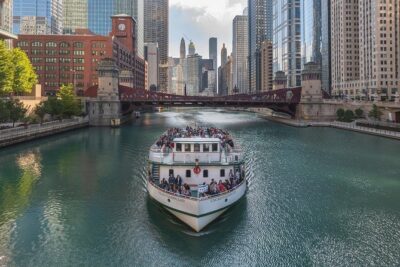
Chicago Architecture Center River Cruise aboard First Lady
Read our review →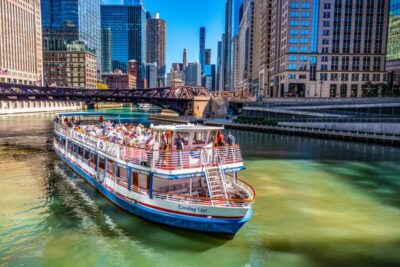
Architecture River Cruise Skip-the-Ticket Line
Read our review →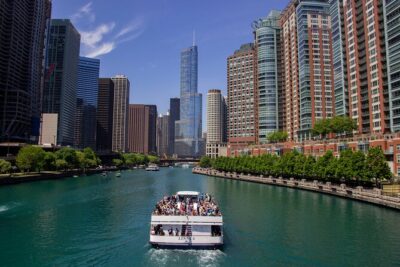
Chicago River 45-Minute Architecture Tour from Magnificent Mile
Read our review →

45-Minute Family-Friendly Architecture River Cruise
Read our review →Browse the lists this tour appears in