
Reviewed · ARCHITECTURE TOURS
Chicago: Elevated Architecture Walking Tour
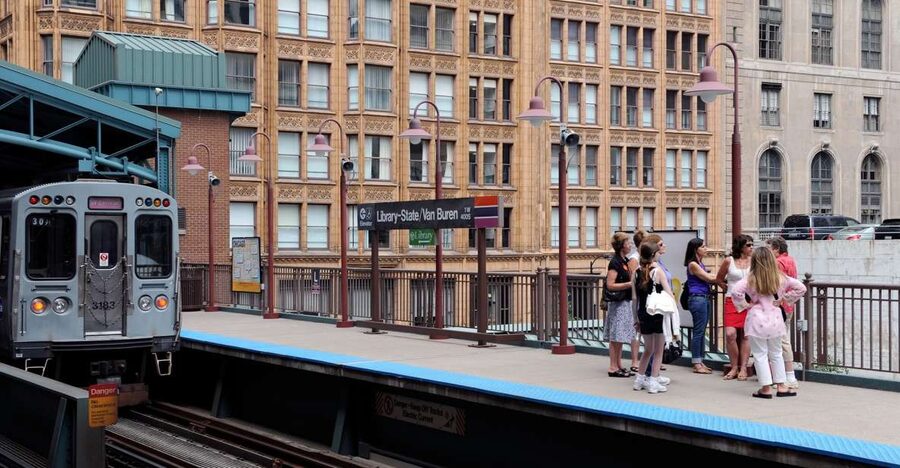
Chicago’s Loop looks different from a platform. This 2-hour Chicago architecture walking tour gives you elevated views and a guided ride on the L so you can spot building details most people miss at street level. I especially liked the mix of perspective shifts, from walking in the Loop to sitting on the train, and the way the guide tied architecture to the L system that grew up alongside it. One drawback to plan for: it is outdoors, involves stairs and platform standing, and it is not ADA accessible.
You start at the Chicago Architecture Center, grab what you need to ride the L, and spend the morning thinking like a builder and a transit planner at the same time. The included admission to the Chicago Architecture Center galleries is a nice add-on, since it gives you a place to connect dots after you get your bearings above the street. Best of all, the small group size keeps the experience tight and question-friendly, including for things like how the L changed the downtown skyline.
In This Review
- Key Highlights I’d Prioritize
- First Stop: Chicago Architecture Center, Then Straight to the Loop
- Why Riding the Chicago “L” Changes How You See Buildings
- The “Above the Ground” Perspective: Station Platforms as Your Best Classroom
- Loop Architecture on Foot: Passing Hundreds of Sights Without Feeling Lost
- What Your Guide Brings to the Experience
- Included Chicago Architecture Center Galleries: Use Them After You Ride
- Price and Value: Why $35 Works Better With Inclusions
- Who This Tour Fits Best (And Who Should Skip It)
- Practical Tips So You Enjoy the Ride and Not Just Survive It
- Should You Book This Chicago Architecture Tour?
Key Highlights I’d Prioritize

- See downtown from station platforms more than 20 feet above street level, where facade details pop.
- Sit on the Chicago L and understand why elevated transit shaped the Loop.
- Connect transit to architecture as you pass hundreds of buildings with guided narration.
- Small group limit (up to 10) for a more personal pace and easier questions.
- Included Chicago Architecture Center galleries admission so the tour continues after the walking ends.
Chicago's skyline, explained block by block
First Stop: Chicago Architecture Center, Then Straight to the Loop

Your tour begins at the Chicago Architecture Center. This is a smart setup, because you are not just wandering into the city blindly. You meet at a place that is already focused on architecture and design, so the tour tone stays practical and interpretive.
Once you arrive early enough to check in at the box office, you receive a Ventra card. That matters because you will use it to ride the L during the tour. If you have ever tried to figure out transit in a hurry, you know why that small piece of logistics is a big deal.
I also like that the included CAC time is real, not just a stop. After the tour, you have admission to the galleries of the Chicago Architecture Center. That means you can go from hands-on, street-level observations to indoor context without needing to plan extra tickets.
Why Riding the Chicago “L” Changes How You See Buildings
This tour is built around a simple idea: if you only look at Chicago from sidewalk height, you miss a lot. When you are more than 20 feet off the ground, you start noticing things like how buildings line up with streets, where certain architectural details catch light, and how the built environment frames train routes.
The L ride is not just a ride. You get narration that connects the transit system to how the Loop developed, and you learn why the first elevated train started running in 1892. That date is a key piece of context, because it explains why Chicago’s downtown growth and its transit infrastructure are tied together from the beginning, not later.
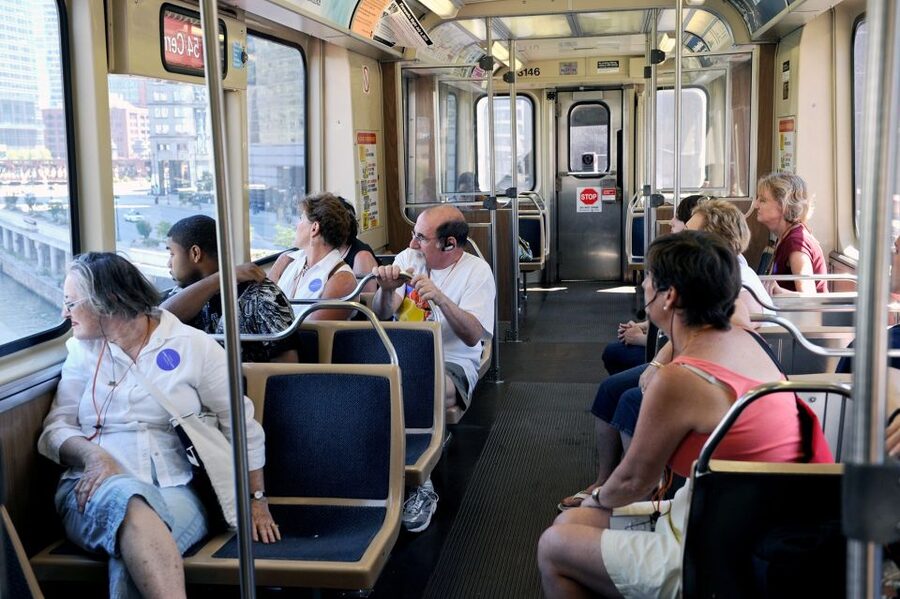
Sitting on the train also helps you understand movement through the city. Street-level sightseeing can feel like a still photo. The L forces you to observe in motion, which is how the city actually works.
The “Above the Ground” Perspective: Station Platforms as Your Best Classroom

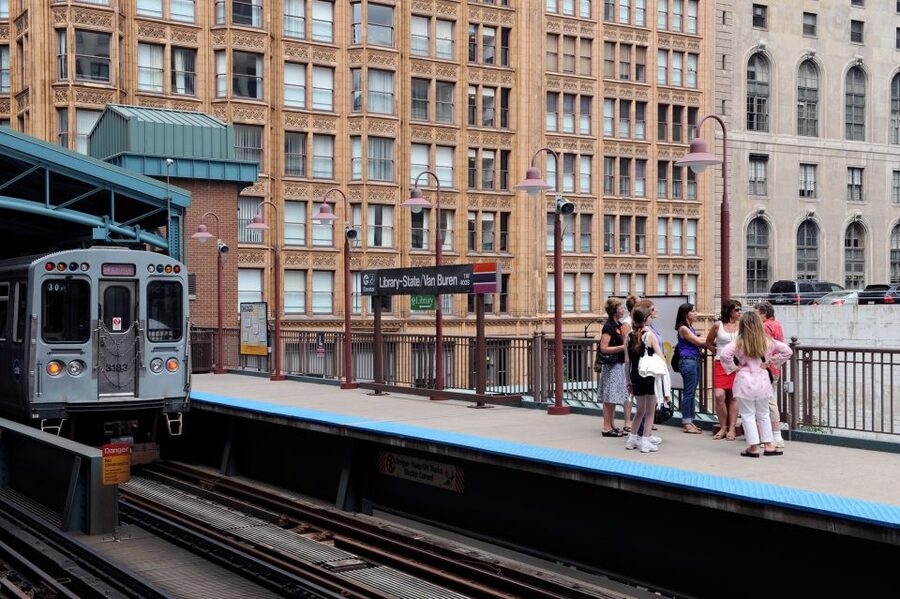
The walking part of the tour is important, but the platform views are where this experience really pays off. You are standing on station platforms and moving through station stairs, so it is not the sort of tour where you can comfortably glide through at street pace.
From the platforms, the skyline reads differently. You can see rhythm in window rows and facade patterns, and you get a sense of how buildings respond to an elevated right-of-way. It is also a viewpoint that most visitors do not naturally take, since most people are either below, on the sidewalk, or passing through a station without stopping to look.
The guide keeps this from becoming “look at stuff” sightseeing. With architecture narration layered over the transit story, your brain starts sorting what you see into categories: materials, design choices, and the role of downtown land use.
Loop Architecture on Foot: Passing Hundreds of Sights Without Feeling Lost
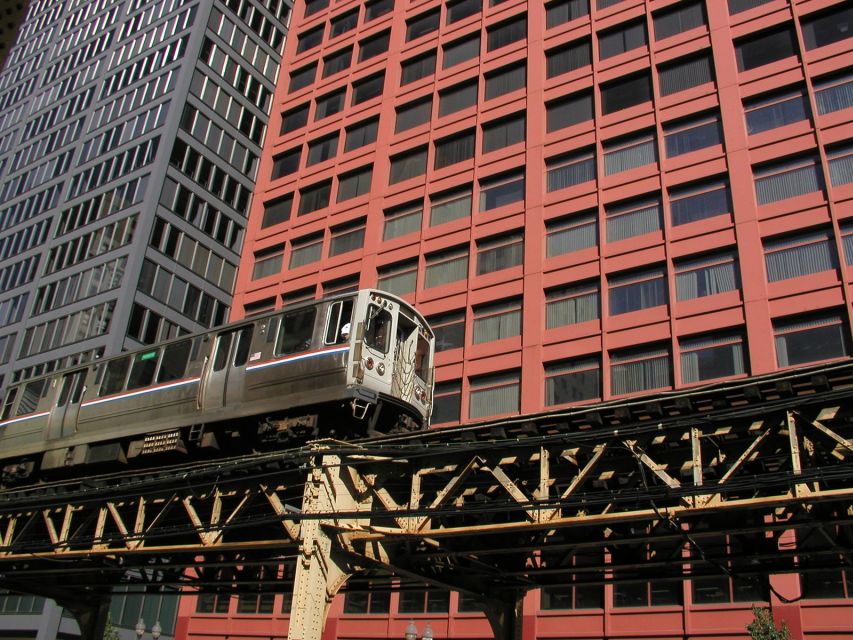
The tour is described as comprehensive in the Loop, and you can feel that when you are moving from one segment to the next. You will pass hundreds of buildings and architectural highlights, so you are not just seeing one or two iconic landmarks.
Here is what makes that valuable for you, especially if you are short on time: the Loop is dense. If you try to do this on your own, you can waste energy figuring out routes, then end up with random photo stops. With a guide, you keep your attention on the “why,” not just the “what.”
Still, you should know what kind of pacing to expect. This is a 2-hour walking tour, so even if the group is small, you will spend meaningful time outdoors, standing at platforms, and walking between areas. If you want a leisurely stroll with long sitting breaks, this may feel more active than you expect.
What Your Guide Brings to the Experience
One of the most praised parts of this tour is the guide experience. In a review I came across, Chris was singled out for giving a lot of useful information about architecture and the architects behind it, plus clear answers to questions. That matches the best kind of tour format: you are not stuck listening to a script that never connects to what you care about.
Because the group is limited to 10 participants, it is easier to ask follow-up questions than on larger bus tours. That helps if you are the type who wants to understand how architecture decisions connect to history, not just take in the visuals.
Even if you do not consider yourself an architecture person, the guide narration is doing translation work: turning city infrastructure and design choices into something you can follow in real time.
A few more ways to spend a day in Chicago
- Chicago: Gangsters and Ghosts Walking Tour★ 5.0 · 7,155 reviews
- Chicago Favorites Ultimate Food and Walking Tour★ 5.0 · 1,962 reviews
- Chicago: Gangsters and Ghosts Guided Walking Tour★ 4.7 · 1,697 reviews
- Chicago in a Day: Food, History & Architecture Walking Tour★ 5.0 · 1,153 reviews
- Chicago’s Secret Interiors Architectural Walking Tour★ 5.0 · 635 reviews
Included Chicago Architecture Center Galleries: Use Them After You Ride
I like adding context after you have already made observations. The included admission to the Chicago Architecture Center galleries gives you that chance. You can step inside and connect what you saw outdoors to exhibits and background information.
This is a practical value point. Without that admission, you might feel like the tour ends when it walks back to the meeting point. With the galleries included, you can extend the experience, read more, and keep learning without buying another ticket later.
Think of it as the “study time” after the “field time.” The L perspective gets you the right questions. The galleries help you find answers.
Price and Value: Why $35 Works Better With Inclusions
At $35 for the tour, it is priced like an experience, not a museum day. What makes it good value is what is included:
- the walking tour and a certified guide
- the fare to ride Chicago’s L transit system
- admission to the galleries of the Chicago Architecture Center
If you have ever paid separately for a guided transit experience plus museum entry, you know how quickly the math adds up. Here, your biggest costs are bundled. You are essentially paying for a guide-led architecture format plus transit access plus entry to the CAC galleries.
Also, the small group limit helps value. In a group of 10, the tour is easier to hear, easier to ask questions, and less rushed than you often get when the crowd is larger.
Who This Tour Fits Best (And Who Should Skip It)
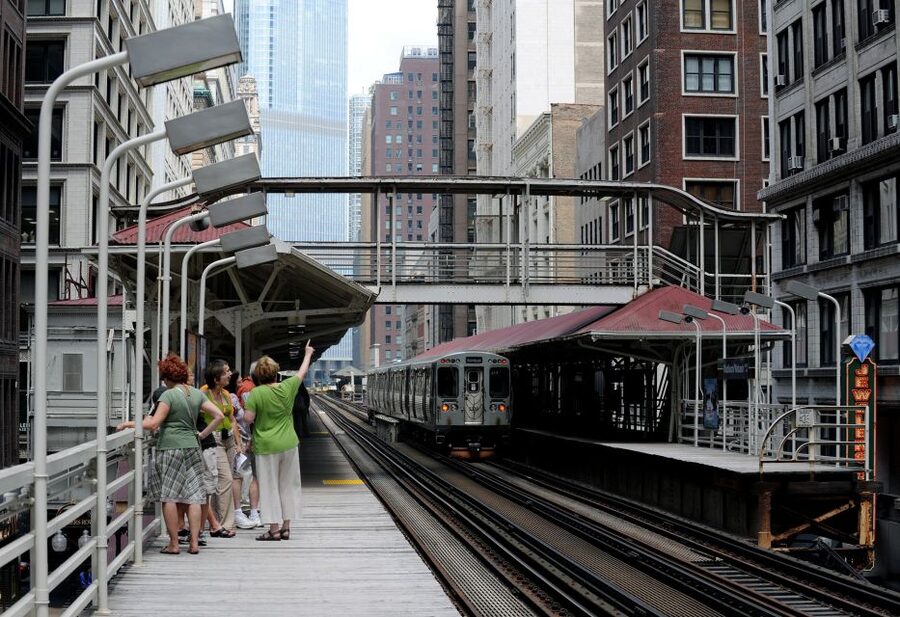
This is a strong fit if you want architecture that is tied to real city life: transit routes, downtown growth, and viewpoints that are not typical postcard angles. You will like it if you enjoy guided walking, you do not mind standing on platforms, and you want a quick but structured way to understand the Loop.
It is not a fit if mobility is an issue. The tour is not ADA accessible and involves outdoors walking, standing on station platforms, and stairs. If you use a wheelchair or need step-free access, you should look for a different format.
Also keep your day-to-day comfort in mind. It operates rain or shine, and you will be outside. Dress for weather, and bring what you need to stay comfortable.
Practical Tips So You Enjoy the Ride and Not Just Survive It

You do not need special gear, but a few basics will make the experience smoother.
- Bring a face mask or protective covering, as that is listed as what you should have.
- Wear weather-appropriate clothing. Since it runs rain or shine, plan for clouds, wind, and whatever Chicago does to your plans.
- Leave food and drinks behind. Those are not allowed on the tour.
- Travel light. Luggage and large bags are not allowed, so do not plan to bring extra bulky items or strollers.
If you are sensitive to cold or standing, consider arriving prepared with layers. The view payoff is worth it, but you should plan for the physical part of standing on station platforms.
Should You Book This Chicago Architecture Tour?
If you want a short, focused way to understand why the Loop looks the way it does, I think this is a smart booking. The combination of riding the L, seeing downtown from station platforms above street level, and getting architecture narration tied to transit history gives you more than “just another walking tour.”
I would book it if:
- you like public transportation and want to experience the city in motion
- you want guided context for Chicago architecture
- you enjoy a small group format (up to 10) and the chance to ask questions
- you will actually use the included CAC galleries admission after the tour
I would skip it if you need step-free access, because the tour includes stairs and platform standing and is not ADA accessible.
Overall, for $35, this is a practical value pick: guide plus transit fare plus CAC galleries, all wrapped into a two-hour Loop experience that shows Chicago from an angle most people never take.
Just Added






Architecture Tours, compared.




Chicago Architecture Center River Cruise aboard First Lady
Read our review →
Architecture River Cruise Skip-the-Ticket Line
Read our review →
Chicago River 45-Minute Architecture Tour from Magnificent Mile
Read our review →

45-Minute Family-Friendly Architecture River Cruise
Read our review →Browse the lists this tour appears in