
Reviewed · ARCHITECTURE TOURS
Chicago: Art Deco Skyscrapers Walking Tour
Art Deco hits different in Chicago. This 90-minute walk turns grand skyscraper lobbies into a real story about style, optimism, and design details. You’ll learn where Art Deco came from, then see it used on the city’s most dramatic riverfront-era towers.
I love that it’s run by Chicago Architecture Center certified volunteer docents trained on hundreds of hours of architecture history. I also like that the tour is built around interior access, so you’re not just reading plaques from the sidewalk.
One possible drawback: it moves at a steady walking pace, and there’s no secure place for luggage or strollers, so plan to travel light.
In This Review
- Key Things You’ll Notice on This Art Deco Walk
- Why Chicago’s Art Deco Feels So Personal
- How Art Deco Was Born, and Why You’ll Recognize It
- The Five Stops: Lobbies That Explain the Style
- Carbide and Carbon Building, Now the St. Jane Hotel
- Chicago Motor Club Building, Now the Hampton Inn
- Trustees System Service Building, Now the Century Tower
- The Engineering Building, a Landmark Anchor
- The Fifth Interior Stop, Plus Your Finish at the Merchandise Mart
- The Guide Makes This Tour Worth the Ticket
- Price and Value: What You’re Actually Paying For
- What to Do Before You Arrive (So You Enjoy Every Minute)
- Who This Tour Fits Best
- Should You Book This Chicago Art Deco Skyscraper Tour?
- FAQ
- Is the tour wheelchair accessible?
- How long is the Chicago Art Deco walking tour?
- How many buildings will we enter on the tour?
- Where do we meet the guide?
- What’s included with the ticket?
- Are pets allowed?
- Is luggage or stroller storage available?
- Does the tour run in bad weather?
- How big is the group?
- What is the cancellation policy?
Key Things You’ll Notice on This Art Deco Walk
- Origins of Art Deco, including its Paris showpiece moment and how it landed in Chicago
- Motifs you can spot fast, like zigzags, octagons, sunbursts, and stylized flowers
- Interior entry at five landmark towers, where the detailing is the whole point
- A docent-led, small-group feel (limited to 10), which keeps the Q and A practical
- A route that makes the Chicago River business boom feel tangible, not abstract
- Design meets current use, since several buildings are now hotels and other modern spaces
Chicago's skyline, explained block by block
Why Chicago’s Art Deco Feels So Personal
Chicago Art Deco is not just a pretty style. It’s a response to the Roaring 20s, when money moved, buildings raced skyward, and architects leaned into bold geometry and polished materials. Near the Chicago River’s banks, that optimism shows up in both the towering exteriors and the highly finished lobbies you typically see only if you know where to go.
This tour helps you connect the dots. You start with how Art Deco began, then you watch that design language take shape in real Chicago landmarks. You’re paying for more than entry, you’re buying context, plus a guide who can point out what to look for before you even notice it yourself.
How Art Deco Was Born, and Why You’ll Recognize It
Art Deco arrived in the United States in the 1920s after it was showcased at an international art exposition in Paris. In Chicago, it later got another big spotlight during the 1933-1934 Century of Progress Exposition, when people were hungry for modern design and futuristic ideas.
The style has recognizable ingredients. You’ll hear how it drew inspiration from Cubism, plus art and architecture from the ancient Middle East. Then you’ll learn the motifs that keep showing up, like zigzags, octagons, sunbursts, and floral patterns that feel stylized rather than natural.
When you finally see these details up close, the shapes make sense. A zigzag line isn’t random decoration, it’s a visual rhythm. An octagon or sunburst is a way to frame light and prestige. And flowers are often treated like graphic symbols, designed to look striking in stone, metal, and tile.
If you like architecture that rewards attention, this is a good format. A walking tour keeps you moving, but the docent steers your eyes, so you’re not stuck trying to decode lobbies on your own.
The Five Stops: Lobbies That Explain the Style
This is a 90-minute, small-group walk that focuses on five opulent Art Deco skyscrapers. The buildings were developed during the business boom near the Chicago River, when Chicago was showing off what it could build and what it could afford to decorate.
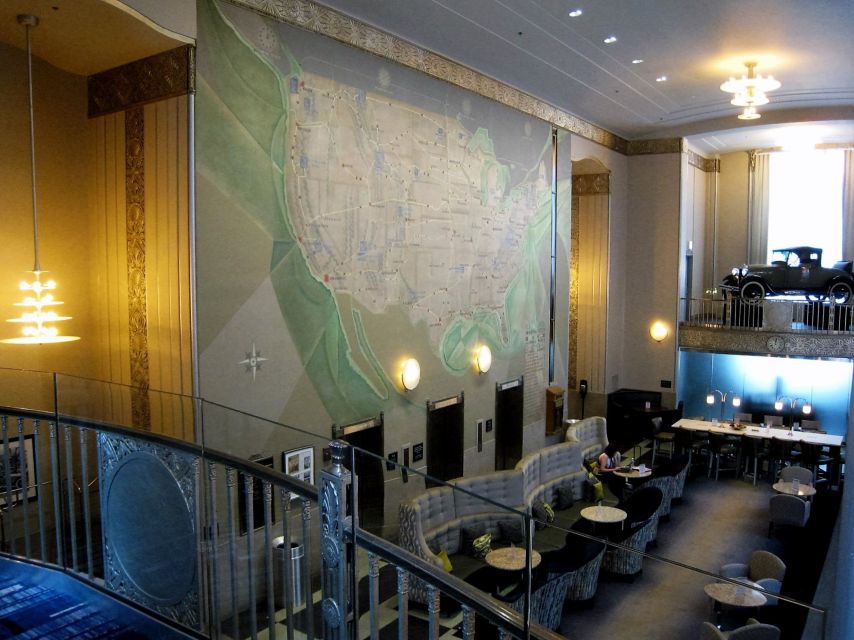
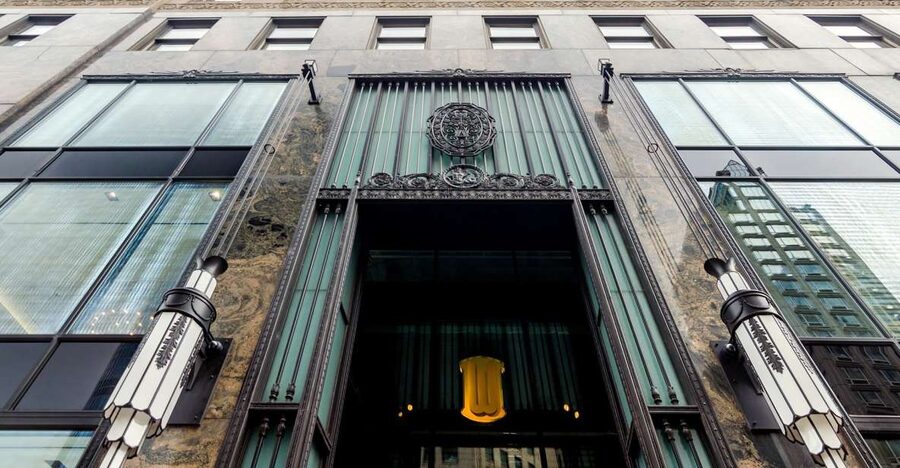
You’ll tour the lobbies, which matters. In Chicago, the lobby is where the city invites you in, and in Art Deco it’s where the design gets dramatic. That’s where you’ll see polished materials, geometric ornament, and the kind of finish work that makes these towers feel like landmarks even from one floor up.
Here’s what to expect from the named highlights and how to use your time once you’re inside each building.
Carbide and Carbon Building, Now the St. Jane Hotel
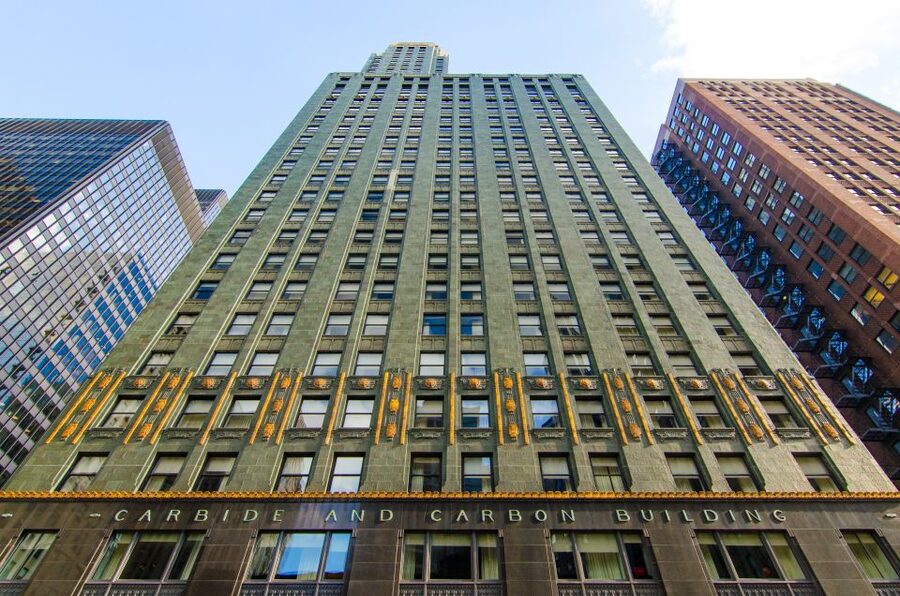
This building is one of the classic Chicago Art Deco stories. The tour spotlights it because it’s a designated Chicago landmark, and because its identity carries through even after modern renovations. Seeing it as the St. Jane Hotel helps you understand something important about Art Deco today: it’s not frozen in time, it’s still usable, still profitable, still visible.
Inside the lobby, pay attention to the way ornament supports the building’s vertical ambition. Art Deco often uses repeating geometric elements to keep your eyes climbing. If you take a moment to look straight ahead and then look down, you’ll usually notice how the design guides your scan pattern.
A small practical tip: lobbies can feel busy when you arrive, so try to catch the first 60 seconds of your guide’s directions before you start scanning yourself. That’s when the key motifs get labeled for you.
Chicago Motor Club Building, Now the Hampton Inn
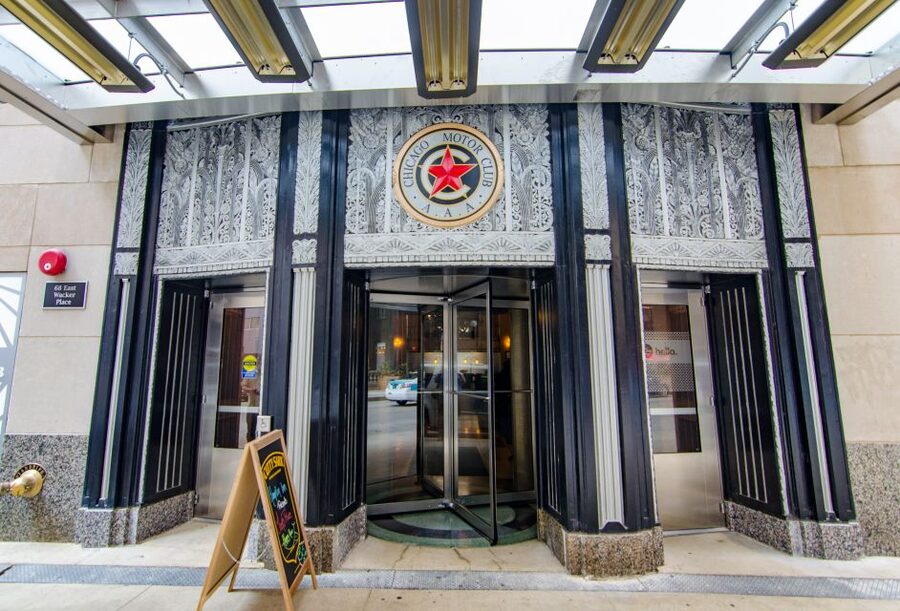
The Chicago Motor Club Building is another designated landmark on the route, and it’s a great stop for understanding Art Deco beyond a single iconic tower look. The switch to the Hampton Inn helps you realize why these buildings were so impressive in the first place, because the form and the finish were meant to communicate status to everyday visitors.
When you’re in the lobby, you’ll likely start recognizing the recurring Art Deco language the guide has been teaching you. Look for bold geometric patterns and the feeling that everything has been designed, not just built.
One drawback worth planning for: because the tour includes multiple interiors, you’ll need to balance photos with listening. If you spend too long lining up shots, you might miss the guide’s point about why certain details were popular in that era.
A few more ways to spend a day in Chicago
- Chicago: Gangsters and Ghosts Walking Tour★ 5.0 · 7,155 reviews
- Chicago Favorites Ultimate Food and Walking Tour★ 5.0 · 1,962 reviews
- Chicago: Gangsters and Ghosts Guided Walking Tour★ 4.7 · 1,697 reviews
- Chicago in a Day: Food, History & Architecture Walking Tour★ 5.0 · 1,153 reviews
- Chicago’s Secret Interiors Architectural Walking Tour★ 5.0 · 635 reviews
Trustees System Service Building, Now the Century Tower
This stop has extra charm because the tour calls attention to a building people often overlook. The Trustees System Service Building is described as colorful, and that’s the kind of clue you should take seriously when you walk in. Art Deco can look similar from the street, but interiors tend to show more of the story through design choices meant to catch your eye at close range.
As you tour, keep an eye out for stylized floral motifs and the kind of decorative symmetry that makes lobbies feel ceremonial. Art Deco is fun-loving optimism, and in Chicago it often lands with a sense of confidence. The Century Tower conversion also shows how these interiors can remain dramatic while serving modern needs.
If you’re the type who likes to learn by comparison, this is a strong moment. You can compare the lobby feel here with the previous stop and notice what changes when designers focus on different building identities.
The Engineering Building, a Landmark Anchor
The Engineering Building rounds out the lineup of landmark towers from the same riverfront energy. It’s included because it represents Art Deco’s reach across different building types, not just the flashiest “look at me” skyscrapers.
When you step inside, focus on structure plus ornament working together. In Art Deco, the decorative program often follows the building’s rhythm. That means you’ll get a better appreciation for how geometry becomes a unifying system, not random decoration.
This is also a good stop to ask yourself a simple question: what makes a lobby feel “opulent”? For Art Deco, it’s usually the way light is treated, the finish materials, and the crispness of the patterns. The guide helps you turn those impressions into specific observations.
The Fifth Interior Stop, Plus Your Finish at the Merchandise Mart
The tour includes entry into five iconic Art Deco buildings. Along the route, you’ll see more of the riverfront story unfold through these interiors, each one reinforcing how the style spread and why it suited the city’s ambitions in the 1920s.
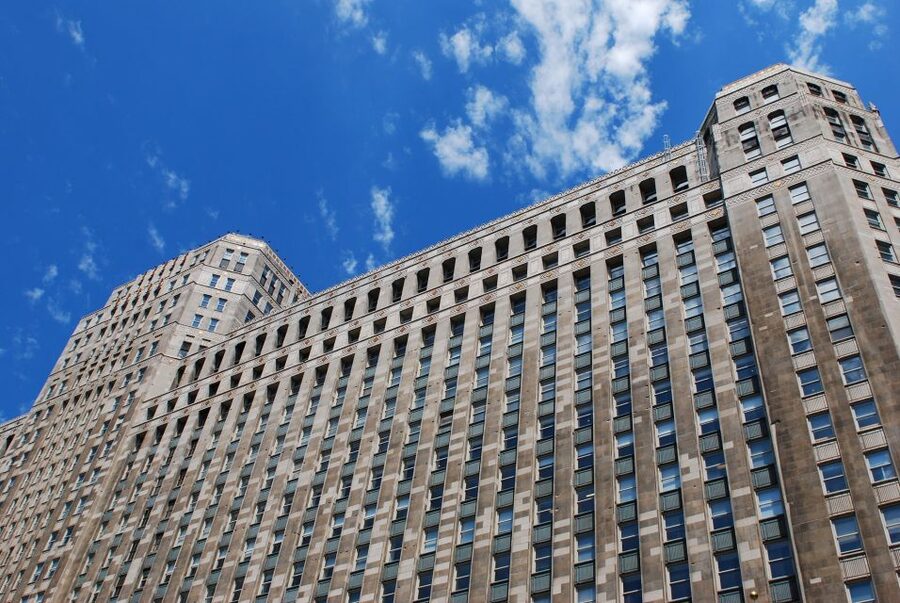
The walk ends at the Merchandise Mart. That ending matters because it ties your experience to a bigger Art Deco-era Chicago moment on the river. Even if you’re only briefly outside at the finish point, you’ll feel how the tour’s design language connects to the city’s overall skyline narrative.
The Guide Makes This Tour Worth the Ticket
This isn’t a grab-bag “look at that building” kind of walk. The tour is led by certified volunteer docents from the Chicago Architecture Center. These guides receive hundreds of hours of training, and they’re storytellers with a serious grasp of Chicago’s architectural history.
The practical win is simple. When the docent calls out motifs like zigzags and octagons, you don’t just hear terms, you learn where to look next. And when the guide explains how Art Deco arrived through international influence and then took off locally, the ornament stops feeling like random decoration.
You also benefit from the pacing. With a small group limited to 10 participants, questions fit naturally into the walk. If you like to know why something was designed a certain way, this format gives you time to follow that thread without feeling rushed.
Price and Value: What You’re Actually Paying For
At $35 per group (up to 1), the price can look simple on paper. The real value is what it includes: a 90-minute walking tour, entry into five iconic Art Deco buildings, and a certified docent plus admission to Chicago Architecture Center exhibits.
That combination is the key. You’re paying for interior access plus interpretation. Without a guide, you’d likely see the outside details, maybe the lobby if you happen to be in the right place at the right time. Here, you’re getting the buildings with explanations, and you’re also getting CAC exhibits access that broadens the context.
Another value lever is what your ticket supports. Chicago Architecture Center runs as a nonprofit, and ticket purchases directly help fund local education and community engagement initiatives like Girls Build!, Teen Fellows, and the Newhouse Architecture + Design Competition. It also supports programs such as Open House Chicago staying free for participants.
So the cost is not just for the walk. It’s part of keeping architecture education active in the city.
What to Do Before You Arrive (So You Enjoy Every Minute)
Start with logistics that affect the vibe. The meeting point is 30 N LaSalle Street. You’ll want to arrive 10 minutes early and have your confirmation ready so the docent can check your name off the list.
Plan to travel light. Pets are not allowed, and there’s no secure storage for luggage or strollers. The tour also doesn’t mention coat check, so if you’re visiting in cold or wet weather, wear layers you can manage without needing storage.
Good news for most schedules: it’s wheelchair accessible. The tour is in English and runs as a live guided experience.
One more thing to keep in mind. The tour departs rain or shine, and there are no refunds due to weather. If you tend to get annoyed by walking in bad weather, bring a real rain layer and expect to stay outdoors between stops.
Who This Tour Fits Best
This tour is a smart choice if you like design that rewards close attention. It’s also ideal if you want Chicago architecture with a theme, rather than a generic skyline scan.
It’s especially worth it for:
- First-time visitors who want a clear, story-based introduction to Chicago’s Art Deco era
- Architecture fans who enjoy motifs and design language, not just dates
- Anyone who prefers small groups and a guide who can connect the details
If you only care about exteriors and skyline photos, you might feel this is more focused than you want. But if you’re curious about the lobbies, and you like learning what to look for, this is right in its lane.
Should You Book This Chicago Art Deco Skyscraper Tour?
Book it if you want five Art Deco interiors in one tight 90-minute window, with a Chicago Architecture Center docent who can translate the style into clear visuals like zigzags, octagons, sunbursts, and stylized floral patterns. The small group size makes it feel guided without feeling crowded.
Skip it if you know you cannot handle walking in rain or you rely on luggage or stroller storage. Also, if you expect a long, sit-down museum style tour, this one is meant for movement and quick, targeted observations.
FAQ
Is the tour wheelchair accessible?
Yes. The tour is listed as wheelchair accessible.
How long is the Chicago Art Deco walking tour?
The duration is 90 minutes.
How many buildings will we enter on the tour?
The tour includes entry into 5 iconic Art Deco buildings.
Where do we meet the guide?
You meet at 30 N LaSalle Street. Arrive 10 minutes early and have your confirmation ready.
What’s included with the ticket?
Included are a 90-minute walking tour, admission to Chicago Architecture Center exhibits, entry into 5 iconic Art Deco buildings, and a certified docent from the Chicago Architecture Center.
Are pets allowed?
No pets are allowed. Service animals are welcome.
Is luggage or stroller storage available?
No. The tour is unable to provide secure storage for luggage or strollers.
Does the tour run in bad weather?
The tour departs rain or shine, and there are no refunds due to the weather.
How big is the group?
The tour is a small group limited to 10 participants.
What is the cancellation policy?
Free cancellation is available if you cancel up to 24 hours in advance for a full refund.
Just Added






Architecture Tours, compared.

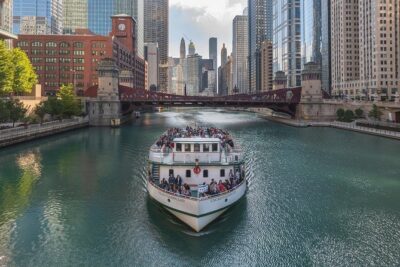
Chicago Architecture Center River Cruise aboard First Lady
Read our review →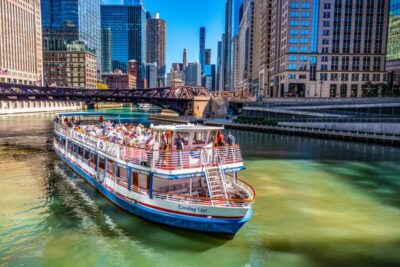
Architecture River Cruise Skip-the-Ticket Line
Read our review →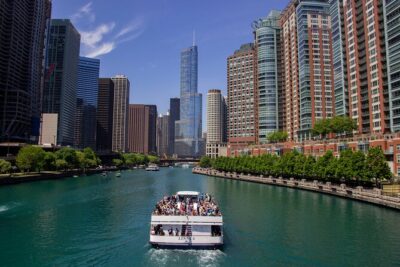
Chicago River 45-Minute Architecture Tour from Magnificent Mile
Read our review →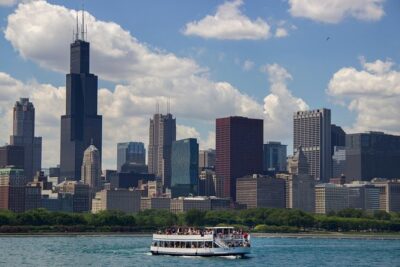

45-Minute Family-Friendly Architecture River Cruise
Read our review →Browse the lists this tour appears in