
Reviewed · HISTORICAL TOURS
2-Hour Chicago’s Chinatown History and Culture Tour
Chinatown tells stories fast, if you look closely. In two hours, you get Chinatown Square murals and a fun finish at Ping Tom Memorial Park. It is a tight route with plenty of stops you can actually point at, photograph, and talk about.
What I like most is the mix of sights and street scenes, from zodiac statues and big signage to the tilework on older buildings. I also like that several key stops are free with the tour, including the Chinese-American Museum of Chicago, so you do not have to think about extra entry fees.
One possible drawback: the pace is intentionally brisk. If you want lots of slow, personal stories about daily life and the deep, step-by-step origin of every era, you might wish it lingered longer at fewer places.
In This Review
- Key highlights to know before you go
- A 2-hour Chinatown walk that stays practical
- Chinatown Square: murals, zodiac statues, and an easy starting point
- Archer and Cermak Rd: how street names guide the story
- Pui-Tak Center, Won Kow building, and tilework you can actually notice
- Chinese-American Museum of Chicago: art, culture, innovation
- Nine Dragon Wall: a rare glazed-tile replica and a quick photo magnet
- Ping Tom Memorial Park: river walking trails and a smart exit
- Price and logistics: is $30 good value for what you get?
- Who should book this Chinatown History and Culture Tour?
- Should you book it? My decision guide
- FAQ
- FAQ
- How much does the Chinatown History and Culture Tour cost?
- How long is the tour?
- What language is the tour offered in?
- Where does the tour start and end?
- What is included in the tour price?
- Are there admission fees for the stops?
- How many people are in the group?
- What ticket format do I receive?
- Are service animals allowed?
- Is cancellation free, and how close to the start time can I cancel?
- What happens if weather is bad?
Key highlights to know before you go
- Chinatown Square photo stops with a mural and 12 zodiac animal statues
- A guided walk along major streets like Archer and Cermak Rd, tying names to Chicago stories
- Historic architecture details you can spot fast, including TerraCotta tiles at multiple locations
- Chinese-American Museum of Chicago, built for art and culture as well as history
- Nine Dragon Wall, a rare glazed-tile replica with connections to Beijing
- Ping Tom Memorial Park, with river walking trails and skyline views plus a water taxi option
Short on time? Here's what fits
A 2-hour Chinatown walk that stays practical
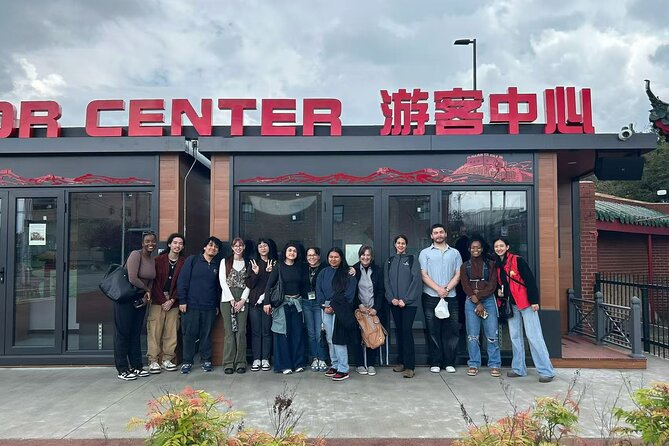
This tour is designed for people who want a real sense of place without turning the day into a full research project. At $30 per person for about 2 hours, you get a structured path through Chicago’s Chinatown with an English-speaking guide, a mobile ticket, and a small souvenir from the Chicago Chinatown Visitor Center.
The route is also set up for momentum. You start in a lively commercial area, keep moving through streets with landmark corners, then finish somewhere pleasant and open, so you can keep your afternoon going. With a maximum group size of 15, you are not stuck in a huge crowd, and your guide can still steer the group between photo stops.
If you go in expecting a quick highlights tour, you will probably feel satisfied. If you go expecting a day-long lecture about community history and everyday life, you may feel it moves too quickly. That is the tradeoff baked into a 2-hour plan.
Chinatown Square: murals, zodiac statues, and an easy starting point
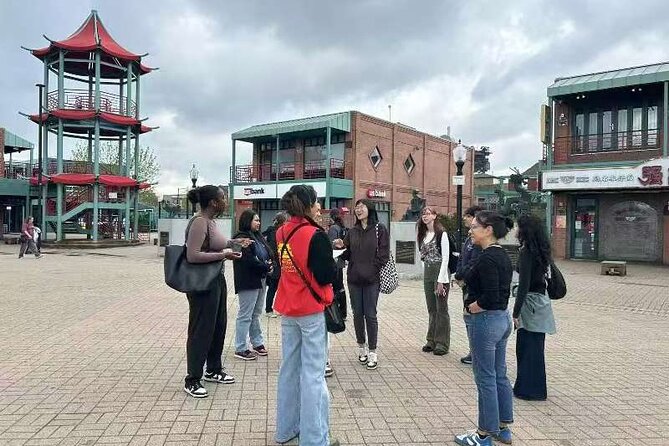
You begin at 2189 S Wentworth Ave at Chinatown Square. The first stop is exactly what you want at the start: a spot that is visually loud and easy to understand even before you hear the deeper context.
Here you will see a mural and 12 zodiac animal statues. This is not just decoration. Zodiac symbols are a classic way cultures mark time and luck, so it gives you a quick visual language to connect what you are seeing throughout Chinatown. It also helps you get oriented fast, because you can start matching signs, streets, and building facades to the stories your guide tells next.
From the plaza, the walk continues past well-known businesses and everyday street life. Expect to pass places like Joy Yee, general merchandise shops, restaurants, and ice cream parlors, plus the historic St. Anne’s Bakery. That mix matters. Chinatown is not only monuments and museum walls. It is also daily commerce, families, and the small stuff people buy every week.
This first segment is about 20 minutes, and it includes a free admission ticket for the stop itself. If you are the type who likes to photograph first and listen after, you can do that here too, since the plaza is open and camera-friendly.
Archer and Cermak Rd: how street names guide the story
After Chinatown Square, the tour shifts into walking mode. You will cross over Archer and then head along Cermak Rd. The guide connects this route to local history, including how Cermak Rd is named for a former Chicago mayor killed in an assassination attempt on a U.S. President.
This is where the tour starts doing something useful: using the city’s layout as your timeline. Street names, corners, and major road crossings help you understand how Chinatown connects to the rest of Chicago, not just as an isolated neighborhood but as part of a wider urban story.
As you continue, you hear about how old Chinatown developed. The stop at the corner of Wentworth is particularly photo-oriented. You will take pictures beneath Chinatown’s Welcome Gate, and you will also visit an alley featured in the Chicago PD TV show. Even if you do not watch the show, it is a helpful way to spot how modern media and popular culture has mapped onto real streets.
Next, the route moves to the historic Pui-Tak Center. This is also a good point in the tour to slow down a touch, because it is the moment where the neighborhood shifts from street-level storefronts into a more institutional, historic feel. Expect about 30 minutes here, again with a free admission ticket.
Pui-Tak Center, Won Kow building, and tilework you can actually notice
Between the plaza energy and the museum, the tour adds layers by pointing out specific building features. If you like architecture, this part is where you get the most “oh, I would have missed that” value.
You will be guided to:
- Photo stops in front of the Won Kow building, which the tour frames as a location used in many TV shows and movies, and tied to a favorite hangout story about gangster Al Capone
- The recessed balcony atop Emperor’s Choice
- The TerraCotta decorative tiles on Emperor’s Choice, the Pui-Tak Center, and multiple other places throughout Chinatown
Those tile details are a practical gift to your eyes. Once you know what to look for, you start seeing them everywhere. That makes the neighborhood feel more legible, even after your tour ends.
You will also stop at a long-running bakery spot: the oldest Chinese bakery store in Chinatown, Chiu Quon. You will not get a full food crawl in this 2-hour format, but the stop signals something important. In Chinatown, food businesses are part of the community record, not just a place to snack.
There is also time for a short talk about the Pui-Tak Center and why merchant associations matter in developing Chinese communities. You will not get a textbook explanation in a quick walk, but you will understand the idea: organized business networks helped communities survive, build, and adapt.
Chinese-American Museum of Chicago: art, culture, innovation
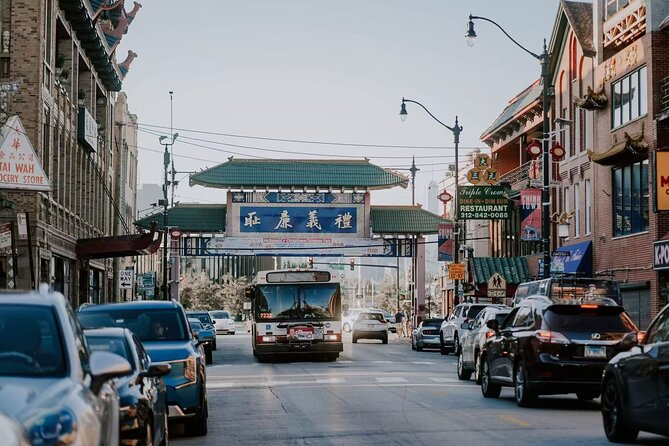
Next comes the Chinese-American Museum of Chicago for about 30 minutes, with free admission included. This stop changes the tone. Instead of focusing mostly on street corners and building shells, you shift into how Chinese Americans express identity through art and contemporary culture.
The museum is described as showcasing and celebrating current Chinese American art, culture, and innovation. That wording matters because it positions the community as living and evolving, not only archived. Even in a short visit, you can usually spot a big difference between museums that only look backward and ones that show ongoing creativity.
If your main interest is Chinatown history, you might still enjoy this. The museum gives you a modern lens, and that helps you connect what you saw outside, like older architecture and neighborhood landmarks, to the people shaping the present.
If you are sensitive to quiet indoor time during a walking tour, this is still a good fit. The time block is limited, so you are not stuck in long galleries.
A few more ways to spend a day in Chicago
- Chicago in a Day: Food, History & Architecture Walking Tour★ 5.0 · 1,153 reviews
- Chicago: Field Museum of Natural History Ticket or VIP Tour★ 4.7 · 717 reviews
- Field Museum of Natural History Admission Tickets★ 4.5 · 489 reviews
- Chicago Walking Tour: Historic Treasures of Chicago★ 5.0 · 362 reviews
- Historical and Architectural Chicago Fireboat River & Lake Cruise★ 5.0 · 246 reviews
Nine Dragon Wall: a rare glazed-tile replica and a quick photo magnet
The tour’s next stop is the Nine Dragon Wall, kept to about 5 minutes. That short time might sound small, but for a landmark that is mostly about what you can see, short can be perfect.
This wall is made of glazed tile from China and modeled after a wall in Beihai Park in Beijing. The tour also points out that this Chinatown version is one of only three such replicas outside China.
What makes it meaningful visually is the dragon layout: it replicates the large dragons and over 500 smaller dragons painted in red, gold, and blue. The guide ties the colors to Chinese ideas of good fortune. Even if you do not know the details beforehand, you can still appreciate the craftsmanship, and the color scheme helps you understand the symbolism fast.
This is an easy stop if you like photos. It is also a good stop if you like short, focused breaks. You can grab your shots and move on without losing the tour’s momentum.
Ping Tom Memorial Park: river walking trails and a smart exit
The final destination is Ping Tom Memorial Park, about 30 minutes. This is where the tour gets more relaxing.
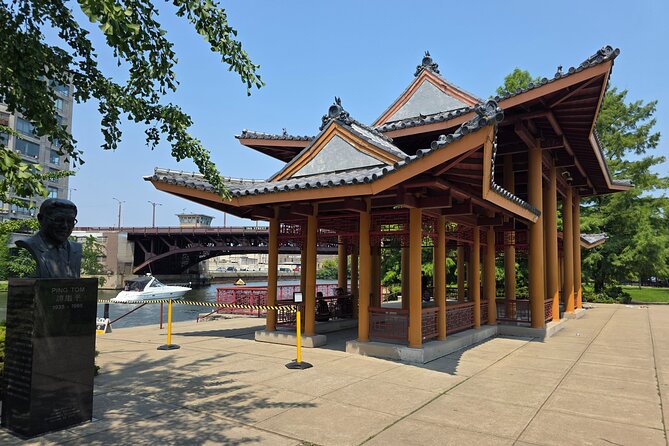
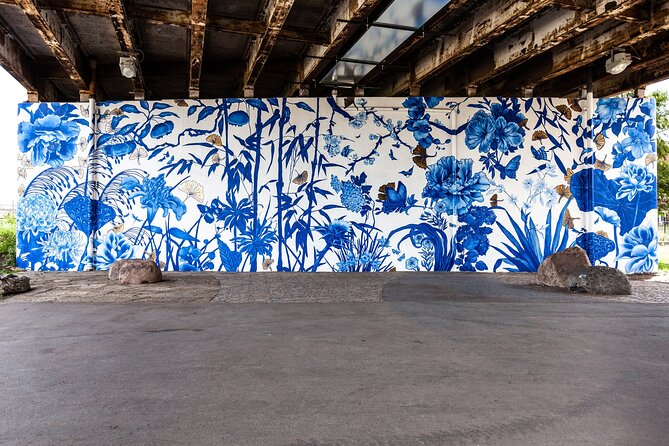
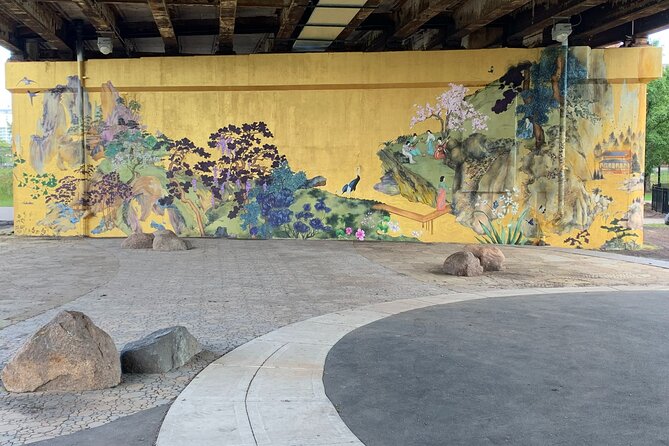
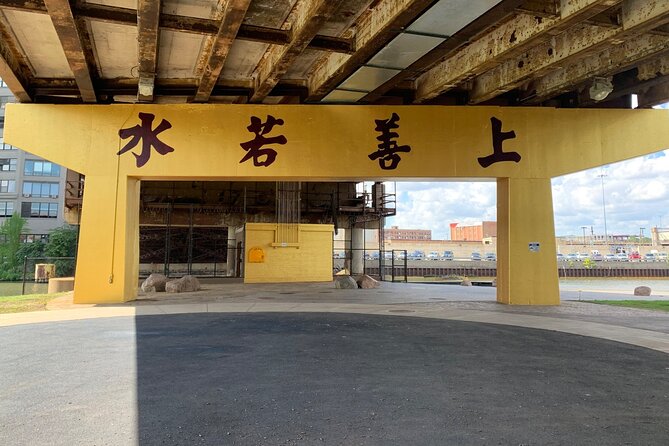
You will walk along trails beside the South Branch of the Chicago River, with great views of the skyline and historic bridges. It is a nice contrast to the denser, street-corner feel of Chinatown. Your guide also points out practical amenities, including a Pagoda Pavilion and Chinese murals under the 18th Street Bridge.
One standout detail for planning your afternoon: Ping Tom Memorial Park connects to a water taxi system. The park has access to a Water Taxi to Ogilvie Metra Station and Michigan Avenue, operated by Wendalla. If you want an easy way back into downtown, this is the kind of option that can save time and stress.
If you have kids in your group, the park includes a children’s playground. If you just want to decompress, this is also a good place to stretch your legs and take a slower look at the river views.
The tour ends back at Chinatown Square Plaza at 2133 S China Pl, but the experience gives you flexibility: you can head out for foods and drinks near the end point, or you can remain relaxed at Ping Tom Memorial Park. You can even use the water taxi toward Michigan Avenue if it fits your schedule.
Price and logistics: is $30 good value for what you get?
At $30 per person for about 2 hours, this tour is priced like an efficient, guided orientation plus a handful of landmark stops. Whether it feels like good value depends on what you want out of Chinatown.
Here is why I think the value is solid for many people:
- Multiple stops include free admission tickets, including the Chinese-American Museum of Chicago and the major sight stops listed on the route
- You get an English-speaking guide who explains what you are looking at while you walk
- You receive a small souvenir from the Chicago Chinatown Visitor Center, plus a discount for future tours and workshops
- The group size is kept to a maximum of 15, which helps the experience feel organized
What you should consider is the format. This is not a full neighborhood deep-dive. It is a guided walk with timed photo and viewing stops, plus one museum visit. If your goal is maximum detail on every building and every wave of community change, you may want to pair this with independent reading afterward.
Also keep gratuity in mind. The suggested guide gratuity is $6 to $10 per person, and the guide can accept cash, Venmo, and PayPal. Even if you are on a budget, having that extra $6 to $10 works best if you treat it as part of the total cost.
Finally, plan around weather. This tour requires good weather. If it is canceled due to poor weather, you will be offered a different date or a full refund.
Who should book this Chinatown History and Culture Tour?
This is a great fit if you want:
- A structured way to see major Chinatown landmarks in a short window
- Photo-friendly stops with clear explanations while you walk
- A balanced mix of street scenes, historic building details, and one meaningful museum stop
- A finish that does not trap you indoors, since you end near a park with river views and a water taxi option
You might want something else if:
- You want a very slow, story-heavy tour focused on everyday community life over centuries
- You prefer longer indoor time than a single museum block provides
- You are hoping for a food-only experience. This is not set up as a full tasting tour, even though you will pass food spots and end near places to eat
One small practical tip: because the tour uses a mobile ticket and moves through multiple outdoor stops, you will enjoy it more with comfortable walking shoes and a camera ready for signage and tiled landmarks.
Should you book it? My decision guide
If you like the idea of learning Chinatown by walking its key landmarks, I would book this. The $30 price makes sense for a guided route where several major stops come with included free admission, and the ending at Ping Tom Memorial Park gives your day a pleasant, scenic finish.
If you are the type who expects every minute to be packed with deep, personal stories, you might feel the timing is too tight. But if you want a smart overview plus specific, memorable sights like the Nine Dragon Wall, the TerraCotta tile details, and the museum’s focus on Chinese American art and innovation, this tour gives you a lot of payoff for your time.
FAQ
FAQ
How much does the Chinatown History and Culture Tour cost?
The tour costs $30.00 per person.
How long is the tour?
The tour lasts about 2 hours.
What language is the tour offered in?
The tour is offered in English.
Where does the tour start and end?
It starts at 2189 S Wentworth Ave, Chicago, IL 60616, and it ends at Chinatown Square Plaza, 2133 S China Pl, Chicago, IL 60616.
What is included in the tour price?
The tour includes an English-speaking tour guide and a souvenir gift from the Chicago Chinatown Visitor Center, plus a discount for future tours and workshops.
Are there admission fees for the stops?
The stops listed on the route include admission ticket free for the segments where that applies.
How many people are in the group?
The tour has a maximum of 15 travelers.
What ticket format do I receive?
You receive a mobile ticket.
Are service animals allowed?
Service animals are allowed.
Is cancellation free, and how close to the start time can I cancel?
Free cancellation is available. You can cancel up to 24 hours in advance for a full refund.
What happens if weather is bad?
If the tour is canceled due to poor weather, you will be offered a different date or a full refund.
Just Added





Historical Tours, compared.
Chicago in a Day: Food, History & Architecture Walking Tour
Read our review →
Field Museum of Natural History Ticket or VIP Tour
Read our review →
Field Museum of Natural History Admission Tickets
Read our review →
Chicago Walking Tour: Historic Treasures of Chicago
Read our review →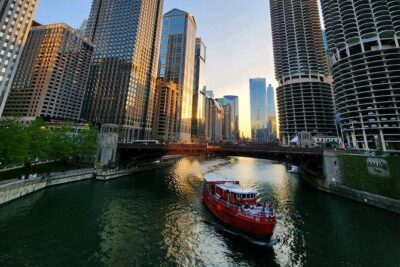
Historical and Architectural Chicago Fireboat River & Lake Cruise
Read our review →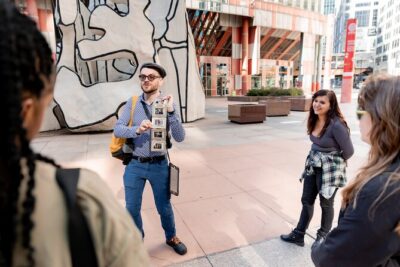
Walkin’ with Colin: Chicago History-Mystery-Comedy-Tragedy Tour
Read our review →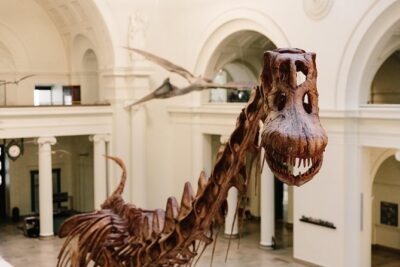
Field Museum of Natural History All-Access Pass
Read our review →
Browse the lists this tour appears in