
Reviewed · GANGSTER & MOB TOURS
Chicago’s Lincoln Park: Guns, Guitars & Gangsters
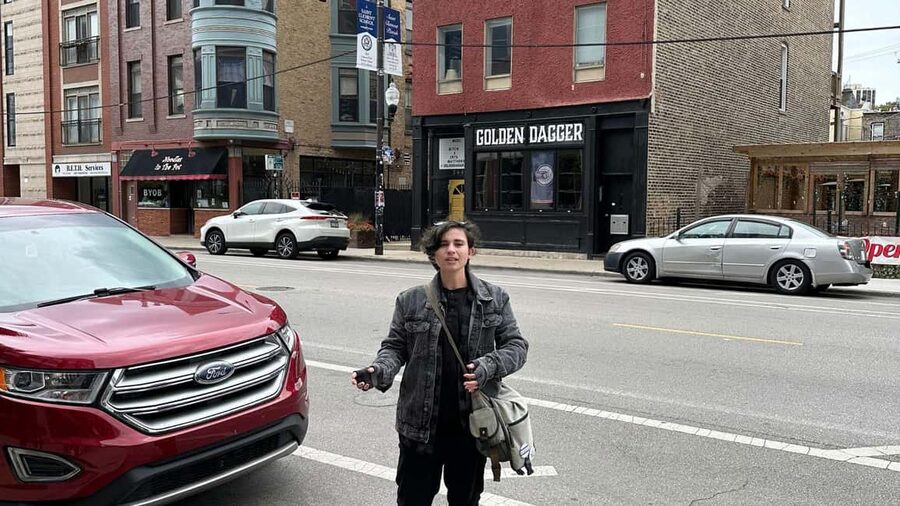
Chicago’s Lincoln Park is full of stories. This 2-hour walk mixes Prohibition-era crime with music and ghost talk, all in real, residential streets that feel calmer than the headlines. I especially like two things: you get Valentine’s Day Massacre context without turning it into a cold history lecture, and you also hear the soundtrack of the Lincoln Avenue bar scene as you move from stop to stop. One possible drawback: if you only want famous gangster sites and nothing spooky, ghost folklore, or live music atmosphere, this route may feel broader than you expect.
You start at DePaul University, at the corner of Fullerton and Halsted, and your guide keeps the tone readable and even a bit funny while still covering the grim parts. You’ll hear how Chicago’s gang wars, liquor laws, and street-level hustling shaped neighborhoods like Lincoln Park. Expect a lot of story, a fair amount of walking, and a handful of spots that look ordinary until you know the names behind them.
Before you go, I’d pack the basics for an outdoor walk: comfy shoes and a layer. This tour is wheelchair accessible, but you should still plan for sidewalks and crossing streets like a normal city stroll.
In This Review
- Key things that make this Lincoln Park tour worth your time
- Starting in Lincoln Park: DePaul Courtyard and the Route You’ll Follow
- Prohibition-era Chicago: Why Lincoln Park Became a Crime Story
- DePaul University Legends: Ghostly Sightings and Prohibition Tunnels
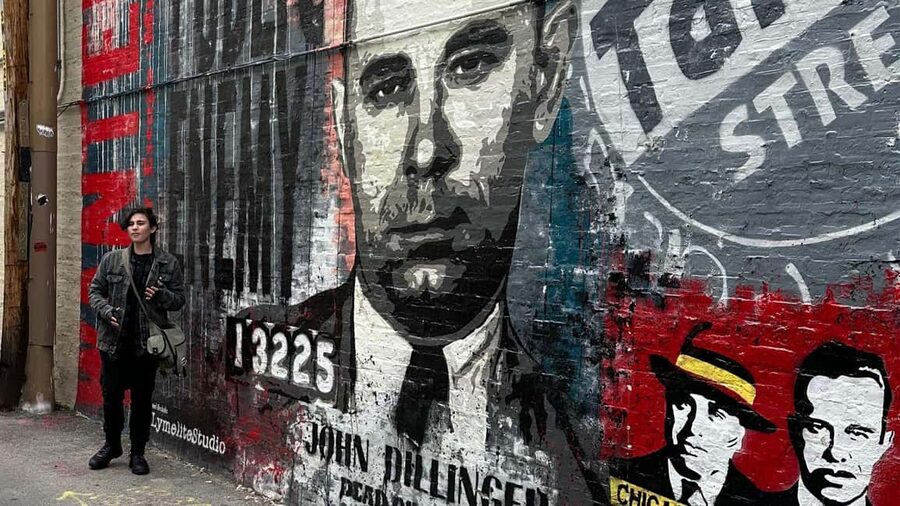
- Dillinger Alley and the Biograph Theatre Area: A Famous Ambush Spot
- Kingston Mines and the Blues Side of the Street
- O’Banon’s Possible Home: Where Speculation Turns Into Street-Level Drama
- Oz Park and the 1893 World’s Fair: Murder Castle Lore in a Public Park
- The Cider House Speakeasy Whispers
- Valentine’s Day Massacre Site: Bugs Moran, Al Capone, and a Turning Point
- Lincoln Park Zoo and the Cemetery Under It
- Price and value for a 2-hour Lincoln Park walk
- Who should book this tour, and who might skip it
- Should you book Chicago’s Lincoln Park: Guns, Guitars & Gangsters?
- FAQ
- Where does the tour start?
- How long is the tour?
- How much does it cost?
- What language is the tour guide?
- Is the tour wheelchair accessible?
- Is it close to public transit?
- Can I get a refund if my plans change?
Key things that make this Lincoln Park tour worth your time
- Prohibition stories that connect dots between speakeasy whispers, mob operations, and major turning points like the Valentine’s Day Massacre.
- Gangster history without tunnel vision, because you also get ghosts, blues venues, and World’s Fair lore.
- Several high-stakes Chicago names, including Bugs Moran and Al Capone, plus references tied to John Dillinger.
- Real neighborhood stops, not a museum tour, so the streets and venues do the visual work.
- Music on the route, with a strong chance you’ll hear blues strains while passing Lincoln Avenue spots.
Still curious about Capone's Chicago?
Starting in Lincoln Park: DePaul Courtyard and the Route You’ll Follow
The tour kicks off at DePaul University, in the courtyard at the corner of Fullerton and Halsted, at 2400 N. Halsted. There’s a practical reason this start location works: you’re not stuck hunting for a random address, and the courtyard is easy to find.
If you’re coming via transit, the Fullerton Red Line station is only a few minutes’ walk west, and you’ll head east on foot from there. If you like planning with landmarks, Chipotle sits directly across the street from the courtyard, which makes it simple to confirm you’re in the right place.
From the first few minutes, you’ll notice how the tour frames Lincoln Park as more than pretty streets. The guide’s job is to turn familiar blocks into a “what happened here” map. If you enjoy walking tours that teach you how to read a city, this format suits you. If you want inside access to buildings, keep expectations realistic, because this is a street-and-sidewalk kind of route.
Prohibition-era Chicago: Why Lincoln Park Became a Crime Story
A lot of Chicago’s gangster myth feels huge and dramatic. What makes this tour interesting is that it ties Prohibition to everyday neighborhood geography. You’ll hear how the 1920s liquor crackdown helped create incentives for illegal alcohol, secret dealing, and violence when rival groups fought over territory.
You also get a sense that not everyone in the area lived like a movie gangster. Lincoln Park’s streets were still residential. That contrast matters. The tour uses that contrast to make you think about how fast an ordinary block can turn into a danger zone when the city’s legal system and underground networks collide.
A few specific stops reinforce this idea. Even when the sites are today’s parks, theaters, or universities, the stories are framed around what people were doing under the surface. For you, that means the tour isn’t only about who shot whom. It’s about how laws changed behavior, and how crime moved into the gaps.
DePaul University Legends: Ghostly Sightings and Prohibition Tunnels
One of the earliest story beats involves DePaul University and the legends around it. The tour points to neighborhood rumors of ghostly sightings in dormitories, plus talk of hidden tunnels beneath campus tied to Prohibition.
Now, you should treat this kind of folklore as exactly that, legends. But that does not make it useless. The tour uses the rumors as a storytelling tool to connect your gangster-era themes to a place that feels modern and academic. You walk away with a stronger sense of why people in the 1920s would have wanted secrecy, and how that secrecy fed myths that lasted long after Prohibition ended.
If you like history with a spooky side, this stop sets the tone well. If you prefer your history strictly documented, you might mentally file these parts under legend and keep your focus on the clearer, named events later in the walk.
Dillinger Alley and the Biograph Theatre Area: A Famous Ambush Spot
Next comes the area tied to John Dillinger and the FBI ambush in 1934. The tour frames this as Biograph Theatre / Dillinger Alley, a site that people associate with the moment when Dillinger’s story took a decisive turn.
What makes this stop work is how the tour connects it to the fear that followed major gangster names. When someone becomes a headline, the hunt changes. You feel that shift in the way the guide explains these incidents, even if you know the basics already.
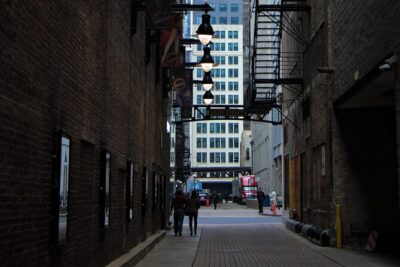
And yes, the tour also leans into ghost talk, with whispers of Dillinger’s spirit lingering in the alley. Again, you should take the supernatural pieces as part of the neighborhood storytelling tradition. But the effect is practical. It keeps the tour from becoming a list of dates and instead makes the city feel like an active stage where old events still hang around in local memory.
Kingston Mines and the Blues Side of the Street
One of the best surprises in this tour is how much the guide leans into the music scene. You’ll pass through the orbit of Kingston Mines, a blues club with a reputation that goes beyond just being a venue.
The tour mentions that Kingston Mines has also been connected in local lore to secret gambling operations and mob connections in its earlier days. You do not need to believe every rumor to enjoy the point. The point is that Chicago’s entertainment spaces often sat near the money and power networks of the era.
Even more useful for your actual experience, the tour route runs through places where you might hear live blues as you walk. That changes the whole pace. Instead of feeling like you’re marching from one plaque to the next, you’re walking with sound in the background, which makes the era feel less like a distant textbook.
Beyond the skyline, the neighborhoods have their own tours and their own stories.
- Chicago Architecture River Cruise★ 5.0 · 15,756 reviews
- Chicago River 90-Minute Architecture Tour★ 4.5 · 9,629 reviews
- Chicago River: 1.5-Hour Guided Architecture Cruise★ 4.8 · 8,046 reviews
- Chicago Architecture Center River Cruise aboard First Lady★ 5.0 · 5,536 reviews
- Chicago: Willis Tower Skydeck and The Ledge Ticket★ 4.6 · 4,350 reviews
O’Banon’s Possible Home: Where Speculation Turns Into Street-Level Drama
Not every stop comes with a neat, official stamp. The tour includes a location described as O’Banon’s possible home, tied to the gang leader Dean O’Banion.
This is a speculation kind of stop, and the tour treats it that way. The guide frames it as suspected and hints that it may have served as a hub for illicit activities and violent encounters. That phrasing matters for you. It keeps the tour honest about what is known versus what is believed.
For me, this stop is useful because it shows how much gangster history relies on imperfect information. Sometimes the best you get is a neighborhood memory, passed along until it becomes a story people point to on the map. If you like that gray area, you’ll enjoy how the guide keeps the tone clear while still giving you something to picture.
Oz Park and the 1893 World’s Fair: Murder Castle Lore in a Public Park
Then you hit the most mind-bending thematic shift: Oz Park, linked to the 1893 World’s Fair and the serial killer H.H. Holmes, who operated his so-called Murder Castle nearby.
Today, this is a park. That is exactly why this stop lands. The tour shows you how a family-friendly public space can sit next to one of the darkest kinds of infamy in American crime lore. Whether or not you’re into murder history, you’ll probably find the contrast striking.
This stop also works because it ties back into the tour’s broader message: Chicago’s reputation did not only come from gang wars. It also came from other kinds of shadowy behavior that thrived on crowds, travel, and the churn of big public events.
The Cider House Speakeasy Whispers
Not every story is about a single dramatic day. The tour also mentions the Cider House, tied to whispers of speakeasy operations during Prohibition, and notes that it survived the Great Chicago Fire of 1871.
This is a good stop for you if you want a more textured Prohibition story. Instead of a single battle scene, you get the sense of the steady, ongoing underground economy. The speakeasy idea explains how crime could become routine, with regular visitors and hidden systems layered under normal streets.
Also, the Great Chicago Fire reference helps you connect eras. You’re not only thinking about the 1920s. You’re thinking about how Chicago rebuilt, repopulated, and continued. That helps Prohibition-era stories feel less like random violence and more like part of a longer city pattern.
Valentine’s Day Massacre Site: Bugs Moran, Al Capone, and a Turning Point
The tour’s centerpiece is the site connected to the Valentine’s Day Massacre on February 14, 1929. Here, seven members of Bugs Moran’s gang were executed by gunmen disguised as police officers in a North Side garage.
The tour explains the widely accepted connection to Al Capone and frames the event as a turning point in the Prohibition-era crime wars. For you, this matters because it turns the neighborhood stories into something with cause and effect. This is where the guide makes the gangster-era stakes feel real, not just theatrical.
If you’re the kind of traveler who likes clear narrative arcs, you’ll probably appreciate how the tour builds up to this moment. After earlier stops about legends, rumors, and music venues, this one snaps into a documented, widely known event. It gives the whole walk a more grounded center.
One practical note: this stop is emotionally heavy. If you want light-and-funny ghost chatter the whole time, you may feel a shift when the guide spends time on the massacre details. Most people still find it worthwhile because it provides context for why the later whispers and rivalries mattered.
Lincoln Park Zoo and the Cemetery Under It
You finish with a darker thread under a “pretty park” setting. The tour points out that Lincoln Park Zoo was built on top of a former cemetery, which has sparked stories about ghostly apparitions and eerie encounters.
This is a great final beat because it loops the tour’s themes together. You started with ghost legends tied to a university. You end with ghost legends tied to a major city attraction. It’s the same idea, different address.
Even if you’re not a ghost story person, the stop is still useful. It makes you notice how often cities re-use space. Cemeteries, buildings, and institutions get layered over time, and the past keeps affecting how people talk about a place.
If you’ve been walking for about two hours, this ending also makes sense. It gives you something reflective to think about as you step away from the route.
Price and value for a 2-hour Lincoln Park walk
The price is $39 per person for a 2-hour walking tour with live commentary from a professional guide (English). Is it a bargain or a splurge? For this kind of experience, I think it’s decent value, because you’re paying for interpretation and story structure, not just movement from point A to point B.
A lot of walking tours around Chicago can feel like either pure history or pure entertainment. This one tries to balance crime sites with blues culture and ghost lore. That mix can be a real win if you want variety in a short time. You also get a practical start point that’s easy to locate, at a major landmark rather than some random corner.
If you’re on a tight schedule and you want one focused Lincoln Park outing that covers Prohibition, major names like Bugs Moran and Al Capone, and the blues neighborhood vibe, this tour fits that role well.
Who should book this tour, and who might skip it
This tour suits you if you want:
- A short walk that gives you more story than you could easily piece together on your own
- Prohibition crime context tied to specific named places
- Blues and folklore elements, not only gangster violence
You might skip it if:
- You only want fully verified historical facts and no speculation or ghost talk
- You’re looking for a museum style experience with indoor viewing
- You dislike walking outdoors for two hours, even with wheelchair accessibility offered
Should you book Chicago’s Lincoln Park: Guns, Guitars & Gangsters?
If you like walking tours that teach you how to read a neighborhood, I’d book it. The best part is the balance: gangster sites like the Valentine’s Day Massacre are serious and meaningful, but you’re not trapped in grim mode the whole time. The blues venue stop and the chance of hearing music while you walk make it feel more like Lincoln Park than a crime scene lecture.
If you’re curious, start with this. It’s priced for a 2-hour commitment, it’s guided in English, and it hits a cluster of locations that many people pass by without realizing what stories cling to them.
FAQ
Where does the tour start?
The tour starts at the intersection of Lincoln, Halsted, and Fullerton at the DePaul University courtyard, located at the corner of Fullerton and Halsted (2400 N. Halsted). Chipotle is directly across the street from the courtyard.
How long is the tour?
The tour lasts about 2 hours.
How much does it cost?
It costs $39 per person.
What language is the tour guide?
The live tour guide provides commentary in English.
Is the tour wheelchair accessible?
Yes, the tour is wheelchair accessible.
Is it close to public transit?
Yes. It is a few minutes’ walk from the Fullerton Red line station when walking east.
Can I get a refund if my plans change?
Yes. Free cancellation is available up to 24 hours in advance for a full refund.
Just Added



Gangster & Mob Tours, compared.


Prohibition Speakeasies Bus Tour or Walking Tour
Read our review →Browse the lists this tour appears in