
Reviewed · GANGSTER & MOB TOURS
Chicago’s Lincoln Park: Guns, Guitars & Gangster
Dark crime tales in a pretty neighborhood. Lincoln Park turns out to be full of them, from ghost stories to real gangster landmarks, all told on a 2-hour walking loop with a professional live guide. You’ll cover recognizable North Side streets at an easy pace and end close to the zoo and conservatory.
I especially like the way this tour ties together three things you usually keep separate in Chicago: Prohibition-era crime, old theater and music venues, and places that feel calm today. I also like that most stops are set up so you do not have to budget extra for entry, since admission is free at several key sites along the route.
One thing to consider is fit. If you want only Lincoln Park specifics and very deep detail on that neighborhood alone, you may find the tour splits time between wider Chicago context, the crime stories, and suggestions for what to do next.
In This Review
- Key Things To Know Before You Walk
- Why Lincoln Park Works For A Guns-And-Gangsters Story
- The 2-Hour Route From North Halsted To Stockton And Webster
- Stop 1: DePaul University Merle Reskin Theatre And Prohibition Tunnel Lore
- Stop 2: Biograph Theatre And Dillinger Alley, The 1934 Ambush
- Stop 3: Kingston Mines, Blues Club Legends, And Mob-Adjacent Rumors
- Stop 4: Oz Park And The 1893 Fair, Where H.H. Holmes Is Mentioned
- Stop 5: Clark Street And The St. Valentine’s Day Massacre
- Stop 6: 2121 N Hudson Ave And The Cider House Speakeasy Whispers
- Stop 7: Lincoln Park Zoo, A Cemetery Beneath, And The Ticket Note
- What Makes This Tour A Good Value In Real Terms
- Pace, Group Size, And How To Get The Most Out
- Who This Tour Is Best For
- Should You Book This Lincoln Park Guns, Guitars, And Gangsters Walk?
Key Things To Know Before You Walk
- A compact 2-hour route that starts at North Lincoln Ave and North Halsted St and finishes near Stockton and Webster
- Most stops have free admission, but Lincoln Park Zoo ticket is not included
- Stories tied to real names, including John Dillinger, H.H. Holmes, Bugs Moran, and Al Capone
- Music and crime in the same breath at Kingston Mines
- You finish right by the park attractions, so you can keep exploring afterward
- Small group size capped at 15 travelers, which makes it easier to hear the guide
Still curious about Capone's Chicago?
Why Lincoln Park Works For A Guns-And-Gangsters Story
Lincoln Park is the kind of Chicago neighborhood that looks like it’s all parks, lake breezes, and families heading to the zoo. This tour takes that same setting and asks, what did this area look like during the eras when crime, rumor, and nightlife ran hot?
What makes it fun is the mix. You are not stuck with one theme. You get gangster lore, yes, but you also get old theater corners, a famous blues club, and park space that holds darker layers underneath. It is a very “Chicago” way of exploring, where the present and the past share the same sidewalk.
For you, the payoff is quick. In about two hours, you can get street-level context for a neighborhood that would otherwise be easy to underestimate.
The 2-Hour Route From North Halsted To Stockton And Webster
The tour runs about 2 hours and is designed as a walk between close-by sites. It starts at North Lincoln Avenue and North Halsted Street (2:00 pm start), then ends around Stockton and Webster, with you steps away from the park named after the neighborhood.
That end point matters. If Lincoln Park Zoo or the Lincoln Park Conservatory is on your list, you will not feel like you need to re-plan your day. You can tack this onto an afternoon, then keep going without a big commute.
You’ll also see the practical side of this style of tour. It is offered in English, uses a mobile ticket, and you are in a group capped at 15. Service animals are allowed, and the route is set up near public transportation, so it is not a chore to get to the meeting area.
Stop 1: DePaul University Merle Reskin Theatre And Prohibition Tunnel Lore
Your first stop is at DePaul University, Merle Reskin Theatre. This is the kind of starting point that tells you the tour tone right away. The campus is right in the urban fabric, and that lets the guide connect what feels like modern school life with older city legends.
The specific flavor here is urban legend. You’ll hear about ghostly sightings tied to dorm life and rumors of hidden tunnels beneath the campus used during Prohibition. Even if you do not treat every rumor literally, it gives you a lens for reading the place. You start looking for how Chicago buildings served as cover, shortcuts, or infrastructure for whatever was happening underground, literally or not.
Time at this stop is about 10 minutes, so it is not a long lecture. It is more like a doorway. The guide sets up the idea that Lincoln Park has always been connected to the city’s undercurrents, even if today it looks too wholesome to believe.
Stop 2: Biograph Theatre And Dillinger Alley, The 1934 Ambush
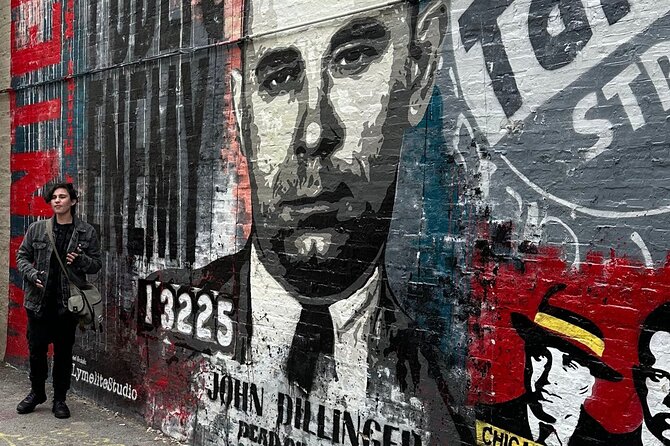
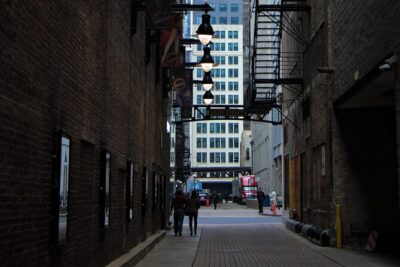
Next you head to the Biograph Theatre area, specifically tied to Dillinger Alley. This is one of the stops where the crime story connects to a real, well-known name: John Dillinger, the gangster who was fatally ambushed by FBI agents in 1934.
What I like about this moment is how the guide uses location to make the story feel grounded. You are not just hearing about crime in a general sense. You are standing where a pivotal scene played out, which helps you understand why people still point to this corner when they talk about Chicago’s Prohibition violence.
The lore detail here is the ghost whisper angle. You’ll hear about rumors of Dillinger’s ghost lingering in the alley. Whether you buy it or not, the value is in atmosphere. It explains why a narrow stretch like an alley can become part of a city’s mental map, not just a passageway.
Expect about 20 minutes at this stop. That extra time compared to the first stop helps the guide slow down and tie in context about why the Dillinger story landed so hard in the public imagination.
Stop 3: Kingston Mines, Blues Club Legends, And Mob-Adjacent Rumors
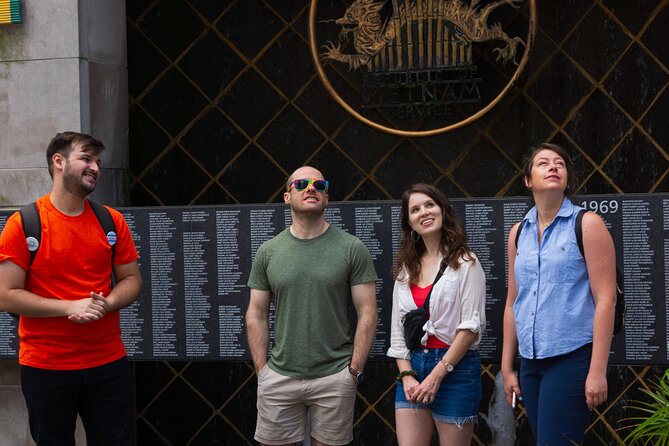
Then you reach Kingston Mines, a legendary blues club in the Lincoln Park orbit. The tour keeps the gangster thread moving, but now the setting shifts to music.
The story here includes rumors of secret gambling operations and mob connections during the club’s earlier days. You might wonder why a blues club would be connected to that kind of activity. Chicago’s answer, historically, is that nightlife spaces often intersected with money, protection, and power. The tour does not ask you to accept every rumor as fact. Instead, it shows you how the city’s entertainment scene could overlap with the same networks that fed organized crime.
This stop is timed at around 20 minutes. That duration is just enough to hear the story and look at how the area functions today, where people come for live music but the name still carries old shadow references.
If you like travel moments where culture and street stories blend, you’ll probably enjoy this one more than you expect.
Beyond the skyline, the neighborhoods have their own tours and their own stories.
- Chicago Architecture River Cruise★ 5.0 · 15,756 reviews
- Chicago River 90-Minute Architecture Tour★ 4.5 · 9,629 reviews
- Chicago River: 1.5-Hour Guided Architecture Cruise★ 4.8 · 8,046 reviews
- Chicago Architecture Center River Cruise aboard First Lady★ 5.0 · 5,536 reviews
- Chicago: Willis Tower Skydeck and The Ledge Ticket★ 4.6 · 4,350 reviews
Stop 4: Oz Park And The 1893 Fair, Where H.H. Holmes Is Mentioned
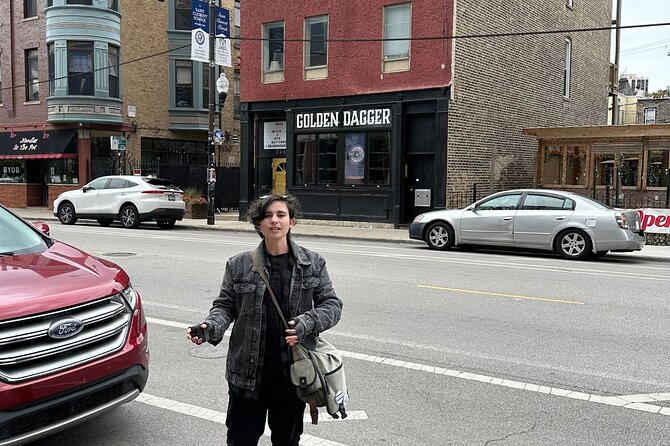
After Kingston Mines, the tour moves to Oz Park, tying it to the 1893 World’s Fair era and the darkest legend in the mix: H.H. Holmes, linked to the so-called Murder Castle.
This is the stop where the tour asks you to hold two ideas at once. On one hand, Oz Park is known as a family-friendly green space. On the other hand, the surrounding historical narratives include serial-killer lore tied to that fair period.
The practical value for you is how the guide handles it. Rather than turning it into shock value, it frames it as part of the way Chicago grows fast, stages huge events, and then tries to move on when the darker stories catch up. You come away with better context for why locals remember certain eras so clearly.
Time here is also around 20 minutes. That means you get enough pacing to walk the space, hear the story, and still keep energy for the bigger crime set pieces coming next.
Stop 5: Clark Street And The St. Valentine’s Day Massacre
Now the tour hits one of the most infamous names tied to Chicago’s Prohibition gang wars: Clark Street and the February 14, 1929 execution scene.
Here, the story is about seven members of Bugs Moran’s gang who were executed by gunmen disguised as police officers in a garage on the North Side. The guide also connects this event to the wider attribution, commonly linked to Al Capone, and explains why the massacre became a turning point in the crime wars.
This is one of the stops where you will feel the contrast between the present-day streets and what happened there. The streets look normal, even pleasant, and that is part of the chill. You are learning how public space can become historical evidence.
Expect about 10 minutes at this stop. It’s shorter, but likely the most intense. If you’re the type who gets uncomfortable with heavy topics, you may still want to do this stop because it is where the tour’s gangster theme becomes unmistakable and real.
Stop 6: 2121 N Hudson Ave And The Cider House Speakeasy Whispers
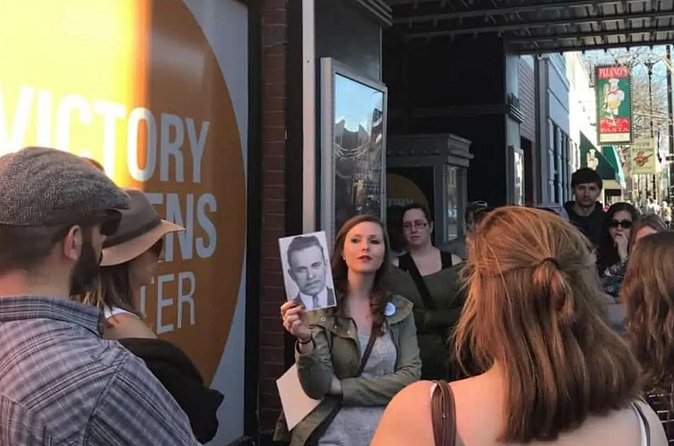
From Clark Street, you’ll shift to 2121 N Hudson Ave, where the tour brings you to The Cider House. The theme turns back toward Prohibition, specifically speakeasy operations rumored around this kind of space.
This stop also includes a survival detail that helps you picture Chicago’s layers. You’ll hear that the structure is tied to the era and endured the Great Chicago Fire of 1871. That is a key angle because it changes the story from “just a rumor” to “this place has physical continuity through major city change.”
Time here is around 20 minutes. That longer stop length makes sense. It gives the guide room to connect architectural survival, Prohibition nightlife, and why people still attach stories to specific addresses.
If you like tours that give you something you can recognize later in the day, this is one. Addresses can be memorable, and this one gives you a concrete anchor.
Stop 7: Lincoln Park Zoo, A Cemetery Beneath, And The Ticket Note
The final stop is Lincoln Park Zoo. The tour doesn’t just stop at the entrance fence and call it a day. It brings up a darker layer underneath the pretty grounds: the zoo was built on top of a former cemetery, and you’ll hear stories about ghostly apparitions and eerie encounters.
This stop is timed around 20 minutes, which is enough to understand the legend framing and also decide what you want to do next. But there’s a big practical point: Lincoln Park Zoo admission is not included. So if you plan to go inside, you’ll need to plan for that separately.
In my view, this works well as a final act. You end with something many people already want to see. You also get the last twist in the tour theme, because the idea of being above a cemetery is the most unsettling kind of city layering.
What Makes This Tour A Good Value In Real Terms
Even without knowing the exact price, the structure is easy to judge for value. You are getting live commentary from a professional guide for about two hours, and a lot of the named stops come with free admission.
That matters because it reduces the “gotchas” that can make walking tours feel expensive once you add entry fees. Here, most of the core stops are set so you can enjoy the stories without extra ticket math.
The zoo is the exception. Since zoo entry is not included, think of the tour as the guided “primer” that sets context for a neighborhood attraction you can choose to extend.
Also, the small group size, max 15 travelers, is a quiet advantage. On busy sightseeing days, hearing a guide clearly and asking follow-up questions can make the difference between a good walk and a frustrating one.
Pace, Group Size, And How To Get The Most Out
One practical consideration is pace. With multiple stops, you may feel like some segments are quick. If you enjoy long storytelling pauses, you might want to arrive ready to listen and not rush.
Another consideration is emphasis. The tour covers enough territory and enough Chicago context that it will not be 100 percent Lincoln Park-only. That can be great if you want the wider picture, but if you came specifically for neighborhood-specific deep cuts, you might feel the mix.
Here’s how to work with it: treat each stop as a “memory hook,” not a dissertation. Pick one or two names you care about most, like Dillinger, H.H. Holmes, or Al Capone, and then let the rest of the route fill in the atmosphere.
If the guide’s pace feels a little relaxed, that is not automatically bad. It can give you time to notice street details, angles, and how the terrain guides foot traffic. Those are the things that help the stories stick.
Who This Tour Is Best For
This tour is a strong match for you if:
- You like Prohibition-era Chicago and want recognizable names tied to real locations
- You enjoy a story-first walking experience where streets become chapters
- You want a neighborhood tour that starts on the North Side and ends near major park attractions
- You prefer guided time over trying to stitch together legends on your own
It is less ideal if:
- You need every minute to be strictly Lincoln Park without wider Chicago framing
- You dislike tours that mix crime stories with cultural sites like a blues club
Should You Book This Lincoln Park Guns, Guitars, And Gangsters Walk?
I’d say book it if you want a short, high-impact way to understand how Lincoln Park can hold both cheerful today and darker yesterdays. The biggest strengths are the tight loop, the professional live guide, and the way the stops connect real-world names to specific Chicago corners.
I’d hesitate only if you are extremely focused on Lincoln Park history alone or you know you need lots of time at each site to feel satisfied. In that case, you might prefer a more specialized Lincoln Park tour.
If you like the idea of learning the city in layers, with Dillinger Alley, Kingston Mines, and the St. Valentine’s Day Massacre story on one walk, this is a smart afternoon plan.
Just Added



Gangster & Mob Tours, compared.

Prohibition Speakeasies Bus Tour or Walking Tour
Read our review →Browse the lists this tour appears in