
Reviewed · SCAVENGER HUNTS
Chicago Scav Hunt
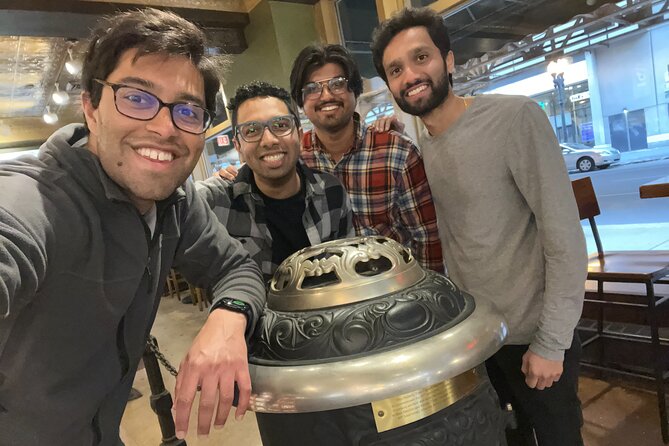
Chicago turns into a game here. This self-guided eATLAS scavenger hunt is fun because of the leaderboard competition and the way the app keeps you moving with mobile prompts across major landmarks. A key thing to consider: you are on your own, so you will rely on the clues instead of a person giving extra context.
I like that you can start when you want and keep going at your own pace. You can pause and restart anytime, and you do not need to coordinate with a meeting time, since the activity begins at 50 W Randolph St and ends back there. The challenge is best done between 9 am and 5 pm, when most locations are open.
In This Review
- Key Highlights to Know Before You Play
- Price and Value: $8 for a 3-Hour City Game
- Timing and Pacing: How to Plan for 9 am to 5 pm
- Where You Start: 50 W Randolph St, Then Back Again
- How the eATLAS App Runs the Hunt
- Union Station: The Big Start That Sets the Tone
- The Picasso: Finding Clues in Plain Sight
- Millennium Park and Cloud Gate: The Iconic Photo Trap, Made Useful
- Macy’s on State Street: Shopping Streets as Clue Country
- Michigan Avenue Bridge: Riverfront Views and Big City Energy
- McCormick Bridgehouse and Chicago River Museum: Where the Clues Meet the Water
- Poetry Foundation: A Calm Pause Between Main Attractions
- City Mini Golf: A Playful Reset in the Middle of the Game
- Medieval Torture Museum: The Shock Stop That Makes the Day Memorable
- Marquette Building: Architecture Clues You Can Read on the Go
- Chicago Pedway: A Practical Shortcut Through Downtown
- Chicago Cultural Center: A Public Space Break You’ll Actually Enjoy
- Loop and Downtown: Finishing the Downtown Story
- River North: Turning Final Clues into a Strong Ending
- Who This Hunt Is Best For
- Should You Book the Chicago Scav Hunt?
- FAQ
- How long is the Chicago Scav Hunt?
- Is there a live guide with the experience?
- Where do I start, and where does it end?
- Do I need an app to do the hunt?
- Can I pause and restart the scavenger hunt?
- What time of day should I plan for?
- Is there free cancellation?
Key Highlights to Know Before You Play
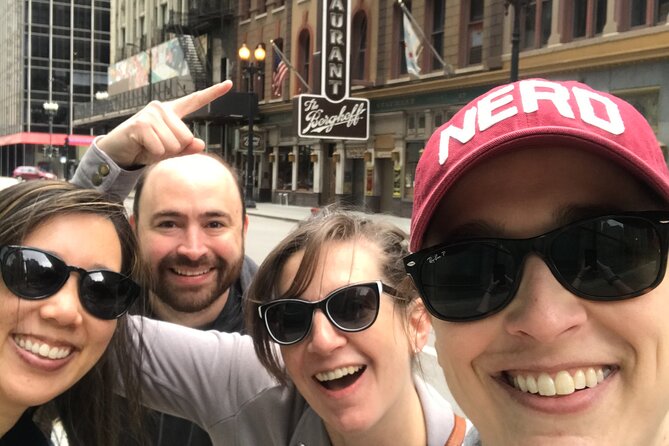
- Leaderboard pressure (in a good way): race the clock and compare times on the app’s leaderboard.
- Self-paced routes: you can pause and restart, which helps if you hit a long line or want more photos.
- 16 recognizable stops: from Union Station and Millennium Park to River North.
- Mobile-first experience: you use the eATLAS app with prompts, clues, and hints.
- Built for repeat visits: even if you know Chicago, the game format pushes you to notice details you usually miss.
Chicago's streets, turned into a puzzle
Price and Value: $8 for a 3-Hour City Game

At $8.00 per person for about 3 hours, this is one of those low-cost Chicago activities that can still feel like a full day’s worth of walking and noticing. You are not paying for a guide’s labor or a reserved entrance, so the value comes from time-on-feet plus the app’s scavenger structure.
The best part is that you are getting a route through some of the most common “first trip to Chicago” photo stops. Even if you have been here before, the game format tends to make the city feel new because it tells you what to look for next. If you are traveling with friends who like games, or you simply enjoy casual challenges, this pricing makes it easy to say yes.
The one caution on value: because it is self-guided, you will only get as much out of it as you put in. If you want deep narration, a person explaining things out loud, or slow museum-style time, you might find the app prompts a bit lean.
Timing and Pacing: How to Plan for 9 am to 5 pm
The recommended window is 9 am to 5 pm, which matters for one simple reason: many stops are easier to access when businesses and public areas are open. Since you can start at any time of day, you can still play outside the window, but you may hit closures or shorter hours that make certain clue locations harder.
With an approximate 3-hour duration, I suggest you treat this like a brisk walk with stops, not a slow sightseeing day. You can slow down if you want photos, but the leaderboard angle nudges you to keep a steady pace. If you are traveling with anyone who gets tired quickly, build in cushion time to avoid rushing through places you actually want to see.
Where You Start: 50 W Randolph St, Then Back Again
Your start and finish are both tied to 50 W Randolph St, so you do not have to worry about being stranded across town. In practical terms, that is a big deal. You can make this your “core downtown block” activity and then head out to dinner afterward without complicated transportation math.
Also, being near public transportation is a comfort. Even if you miss a clue and need to backtrack, you have options to get moving again without losing the entire afternoon.
How the eATLAS App Runs the Hunt
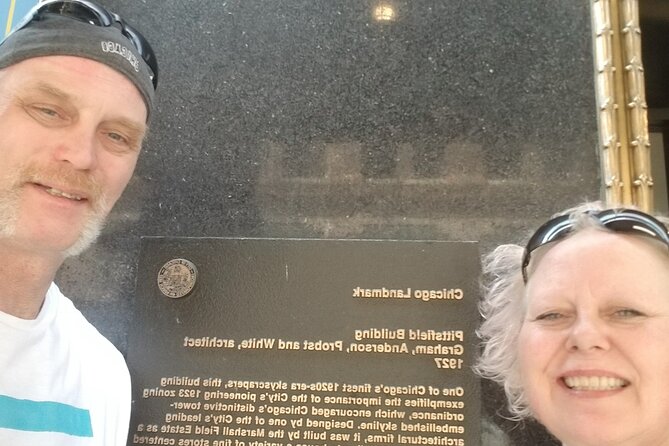
This hunt runs through the eATLAS mobile app. After you download the app from Google Play or the Apple App Store, you use it to follow prompts, clues, and hints at each stop. You also get a mobile ticket, so your phone is basically your “game board.”
Two practical tips that make a difference:
- Start with your phone charged enough for a full morning or afternoon.
- Be ready to read prompts quickly while you are walking, because you will be moving through busy downtown streets.
You are also allowed to pause and restart at any time. That helps if you take a restroom break, step inside somewhere if it is open, or just need a moment to reset.
Union Station: The Big Start That Sets the Tone
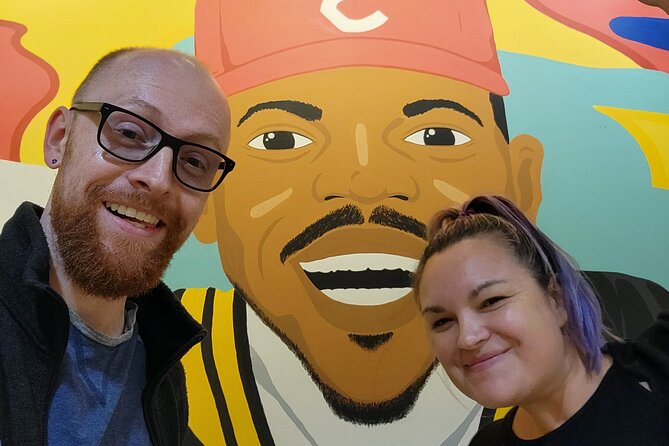
Union Station works great as a starting point because it is a Chicago landmark people instantly recognize. As the first stop, it gives you an easy win early in the hunt. You get momentum right away, and you are in a central area that makes it simple to keep walking to the next clues.
What to focus on here is not only the building itself, but the “how does downtown connect?” feeling. Union Station anchors your sense of scale, and it helps you understand why the rest of the route flows where it does.
Possible drawback: it is a popular area, so if you hit it during peak foot traffic, you may have to wait for the best sightline your clue is aiming for.
Beyond the skyline, the neighborhoods have their own tours and their own stories.
- Chicago Architecture River Cruise★ 5.0 · 15,756 reviews
- Chicago River 90-Minute Architecture Tour★ 4.5 · 9,629 reviews
- Chicago River: 1.5-Hour Guided Architecture Cruise★ 4.8 · 8,046 reviews
- Chicago: Gangsters and Ghosts Walking Tour★ 5.0 · 7,155 reviews
- Chicago Architecture Center River Cruise aboard First Lady★ 5.0 · 5,536 reviews
The Picasso: Finding Clues in Plain Sight
Next up is The Picasso, a prominent downtown sculpture that makes a strong scavenger marker. This kind of stop is perfect for the hunt because it turns a “well-known thing” into a specific photo or attention moment.
Instead of casually looking at the sculpture, you will be nudged to notice the details your clue wants. That small shift is a big part of why these scavenger hunts feel educational.
Practical consideration: downtown sidewalks can be tight around major landmarks. If you are playing with a group, stay aware of others while you scan and position yourself for any clue-related photo moment.
Millennium Park and Cloud Gate: The Iconic Photo Trap, Made Useful

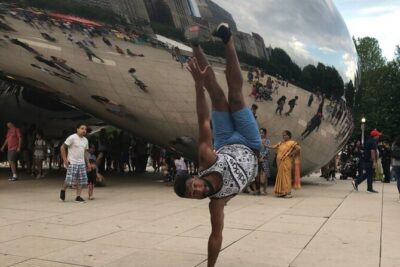
Millennium Park is one of Chicago’s most visited public spaces, and Cloud Gate is the star everyone knows. In a normal sightseeing day, you might spend time just wandering or taking the same few photos. In this hunt, the app prompts you to aim your attention, so the time feels more purposeful.
Cloud Gate is especially effective for scavenger gameplay because it naturally invites interaction and viewpoint changes. You will likely spend time around it longer than you expect, mostly because there is always something to check from different angles.
Small drawback: this area can get crowded. If you are competing for time, you might feel the pressure of waiting for openings. If you are playing more for fun than for speed, it is still a great stop because the park itself is enjoyable even when you are not rushing.
Macy’s on State Street: Shopping Streets as Clue Country
State Street is classic downtown Chicago, and Macy’s gives you an easy anchor on a major commercial stretch. This is where the hunt expands from “landmarks you photograph” to “city life you move through.” You are not just standing still. You are walking real streets, reading the city like a map.
What you might like most here is how it turns a routine shopping area into part of a story. Even if you do not plan to shop, it adds contrast to the more cultural and civic stops around it.
Possible drawback: large stores and busy blocks can slow you down. If your team likes to linger, you may eat into your time budget.
Michigan Avenue Bridge: Riverfront Views and Big City Energy
Crossing toward the Michigan Avenue Bridge area brings you closer to the river and the “Chicago at street level” vibe. Bridges are good scavenger terrain because you can get views, use lines and shapes, and spot things from multiple directions.
This is also a natural moment to pause and reset. If you have been moving quickly through downtown, the river view can feel like a breather without breaking the flow.
Practical note: wind off the river can be cool, even when the rest of downtown feels warm. If you are going in shoulder seasons, pack a light layer.
McCormick Bridgehouse and Chicago River Museum: Where the Clues Meet the Water
This stop adds a more specialized Chicago theme: the river. Even if you do not spend long inside any museum space, the setting helps the scavenger hunt feel more connected than a random set of unrelated stops.
What makes this stop valuable for the game is that it adds “place-specific context.” The river is a defining feature of Chicago, and the hunt puts it in the middle of your route instead of keeping it off to the side.
Possible drawback: if you are trying to finish quickly, museum-style stops can eat time. Stick to what your clue prompts, then decide on your own if you want extra time beyond that.
Poetry Foundation: A Calm Pause Between Main Attractions
The Poetry Foundation is a great counterbalance after the river and big downtown landmarks. It is a more reflective stop, and that change of pace helps the hunt feel varied instead of like a nonstop photo sprint.
In scavenger-hunt terms, quiet cultural spots are useful because you can focus on details without the same level of crowd pressure as you might see at more famous attractions.
Practical consideration: check that the area you need is accessible when you arrive. Since the recommended time is 9 am to 5 pm, play earlier in that window if you want smoother access.
City Mini Golf: A Playful Reset in the Middle of the Game
City Mini Golf is where the hunt gets fun in a different way. This is not just about looking at buildings. It is a break from big-city landmarks into a lighter, playful activity.
Even if your goal is speed, stopping for something game-like can refresh your energy. It also makes the overall hunt feel less like a chore and more like an actual day out.
Possible drawback: if you are strict about the leaderboard time, you will need to keep the mini golf segment from turning into a long detour. Decide ahead of time how much time you are willing to spend.
Medieval Torture Museum: The Shock Stop That Makes the Day Memorable
The Medieval Torture Museum adds a bold, unusual contrast to the more polished and famous downtown sites. That kind of stop tends to stick in your memory, and it can also make the scavenger experience feel less predictable.
In terms of pacing, it is a good mid-to-late stop because it breaks the monotony of “photo and street.” It also helps if your group enjoys quirky, offbeat attractions.
Possible drawback: depending on your preferences, the theme might feel too intense or not worth extra time. Since your hunt is self-guided through app prompts, you can choose how much attention to give it once you reach the area.
Marquette Building: Architecture Clues You Can Read on the Go
The Marquette Building brings you back to classic downtown architecture. For a scavenger hunt, buildings like this are ideal because they give clear visual cues. You can look up, compare details, and use the building’s presence as a mental anchor.
I like stops like this because they help you see Chicago as more than a list of attractions. When you pay attention to architecture, the city feels more organized and easier to remember.
Practical consideration: if you are trying to keep moving quickly, you may have less time to explore angles. Use a quick scan, then move on when your clue is done.
Chicago Pedway: A Practical Shortcut Through Downtown
Chicago Pedway is one of those local features that many visitors miss. In the context of a scavenger hunt, it becomes useful because it can change how you move through the Loop.
The main value here is weather and comfort. If the day is cold, windy, or rainy, an enclosed walkway can be easier than trudging through open streets. It also can help you keep momentum if your hunt is all about finishing within a time goal.
Possible drawback: it can feel confusing if you are not used to it. If you rely heavily on phone prompts, follow them closely and do not be afraid to stop for a minute if you miss a turn.
Chicago Cultural Center: A Public Space Break You’ll Actually Enjoy
Chicago Cultural Center is a strong late-stage stop because it functions like a breather. Even when you are not deep into programming, public cultural spaces tend to be pleasant places to slow down for a bit.
For this hunt, it works as a “reset point” before you start closing out downtown. You can look around, read the atmosphere, and get ready for the final stretch.
Practical note: if you find the interior spaces you want are busy, use the time to complete the app prompts around your route, then decide if you want to linger.
Loop and Downtown: Finishing the Downtown Story
The hunt includes time that is more generally labeled around Downtown and the Loop, and that matters. It means you are not only chasing named landmarks. You are also walking the neighborhood fabric, which helps you connect all the earlier points into a bigger picture.
This part of the experience is where I think you get the “I understand the city better now” feeling. Even if you are rushing, moving through the Loop helps you notice patterns in how streets, transit, and famous buildings relate.
Possible drawback: because these sections are broader, you may feel like you are walking without a single iconic “moment.” If your group likes clear photos over open-ended wandering, this is where the app prompts have to do the heavy lifting.
River North: Turning Final Clues into a Strong Ending
River North caps off the route, and it is a smart neighborhood ending. It is active, photogenic, and full of energy, so your last stretch feels like an arrival instead of a slog.
I like finishing in River North because it gives you options afterward. You can keep the day going with food or a relaxed walk, without needing to re-plan your transportation.
Practical consideration: if you are chasing leaderboard time, do not spend too long at every corner detail. Save the slow sightseeing for your post-hunt plans.
Who This Hunt Is Best For
This scavenger hunt fits best if you want:
- a low-cost activity that still feels like a real outing
- a self-guided route through major downtown sights
- a mild competitive edge via the leaderboard
- flexibility, since you can start anytime and pause or restart
It is also a good match for people who travel with a group and like to work as a team to beat each other’s times. If you prefer tours with a live guide and lots of storytelling, you may find the app prompts are not enough. But if you are fine using your phone as the “guide,” this is an easy way to turn Chicago sightseeing into something you actively do.
Should You Book the Chicago Scav Hunt?
If you like walking, have 3 hours to spend, and enjoy learning through clues, this is an easy yes at $8.00 per person. The route hits major downtown landmarks, the app keeps you flexible, and the leaderboard adds fun without requiring special skills.
I would skip it only if you need deep narration from a person or you dislike phone-based self-guided activities. Otherwise, it is a smart way to see Chicago’s Loop and River North while playing a game you can actually control.
FAQ
How long is the Chicago Scav Hunt?
It takes about 3 hours.
Is there a live guide with the experience?
No. This is self-guided, and you will not meet a guide.
Where do I start, and where does it end?
You start at 50 W Randolph St, Chicago, IL 60601, USA, and the activity ends back at the meeting point.
Do I need an app to do the hunt?
Yes. You use the eATLAS mobile app to follow prompts, clues, and hints.
Can I pause and restart the scavenger hunt?
Yes. You can pause and restart at any time.
What time of day should I plan for?
The recommended hours are between 9 am and 5 pm, though you can start at any time of day.
Is there free cancellation?
Yes. You can cancel up to 24 hours in advance for a full refund.
Just Added






Scavenger Hunts, compared.
Eastside Chicago The Heist Exploration Game and Tour
Read our review →


Chicago Scavenger Hunt and Highlights Self Guided Audio Tour
Read our review →
Adventurous Scavenger Hunt in Chicago by Zombie Scavengers
Read our review →
Magnificent Mile Scavenger Hunt: Chicago Walking Tour and Game
Read our review →Browse the lists this tour appears in