
Reviewed · GANGSTER & MOB TOURS
Chicago: Prohibition-Era Culture & Architectural Treasures
Prohibition-era Chicago is right under your feet. I love how this small-group walk turns big-city icons into Prohibition-era stories you can actually picture, and I also like the personal, small-group attention you get on the street. One thing to consider: it’s about 4.8 km (3 miles) of walking, so if you burn out easily, plan for an easier rest of the day.
You start at the Chicago Theatre, then glide along the Riverwalk to landmarks like Willis Tower and the Marina Towers area. I also love the balance of architecture and everyday Chicago, like the stop at the Chicago Cultural Center plus a Chicago-style popcorn tasting, and the guide’s practical lunch and sightseeing tips to keep you moving after the tour ends at Millennium Park and the Bean.
In This Review
- Key highlights
- Prohibition-era stories that make Chicago architecture click
- Meeting at the Chicago Theatre, then getting your bearings fast
- Riverwalk highlights: Willis Tower, Marina Towers, and the Jewelers Building
- Art Deco design at London House and Du Sable Bridge
- Chicago Cultural Center and the popcorn break that feels very local
- Wrigley Building and Tribune Tower, plus journalism roots
- Ending at Millennium Park and the Bean, with next-stop ideas
- Price and what $49 buys you in real value
- Pacing, distance, and how to plan for that 4.8 km walk
- Who should book this tour, and who might want a different style
- Should you book this Prohibition-and-architecture walk?
Key highlights
- Prohibition-era storytelling tied to what you see around Riverwalk architecture
- Small-group feel with personalized guidance, capped at 16
- Riverwalk icons including Willis Tower, Marina Towers, and the Jewelers Building
- Art Deco design stops at London House and Du Sable Bridge
- Chicago Cultural Center interior time plus a Chicago-style popcorn treat
- Finish at Millennium Park so you can roll right into seeing the Bean and planning lunch
Still curious about Capone's Chicago?
Prohibition-era stories that make Chicago architecture click
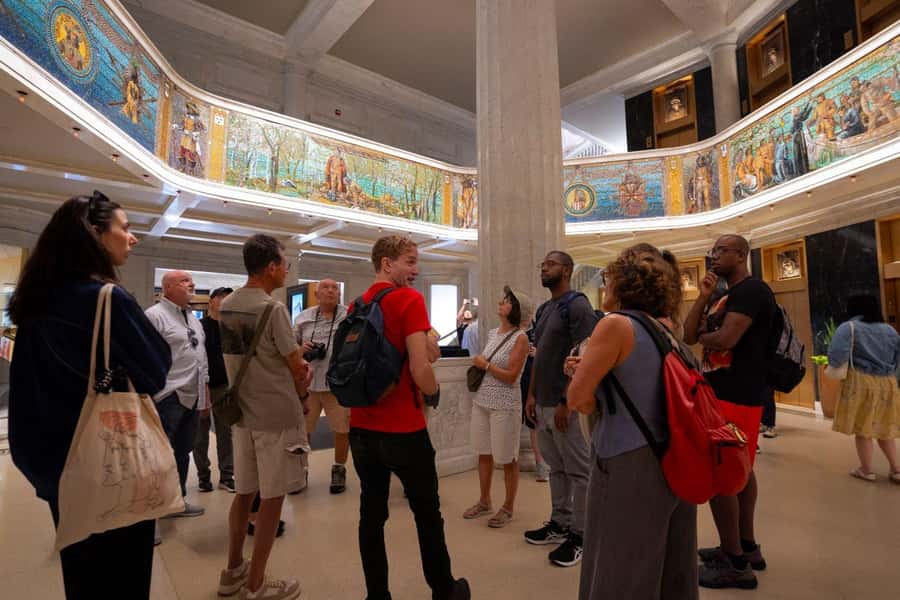
Chicago can be a lot in one trip. This is one of those tours that helps you sort the city fast, because it connects themes instead of making you memorize facts. The core idea is simple: Prohibition-era culture shaped crime, nightlife, and the city’s growth. That history then shows up in what Chicago built, how it designed spaces, and where people gathered.
What I like about this approach is that it turns architecture into a timeline you can walk through. You are not just looking up at tall buildings, you’re learning why the city’s energy changed, who benefited, and how the skyline became a message. And because it is a walking tour with a live English-speaking guide, you can ask follow-ups when something sparks your curiosity.
This is also a smart choice if you want variety. You get major downtown landmarks, but the route also includes interiors and “pause here” moments, like time at the Chicago Cultural Center. Add a small local food stop, and the whole thing feels like a city day, not a museum lesson.
Meeting at the Chicago Theatre, then getting your bearings fast
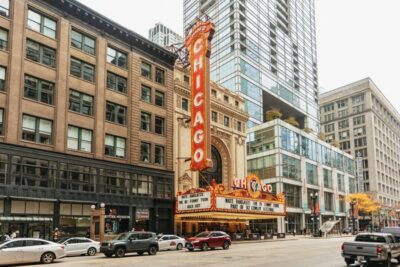
The tour begins at the Chicago Theatre, underneath the marquee at 175 N. State Street. This location is great because it anchors you in the middle of everything downtown, and it gives you that first “I’m really here” moment before you start walking.
From there, you build momentum quickly. The guide sets the theme and starts weaving in the Prohibition-era angle while you move. You’ll get a street-level sense of how the city grew, and you can see how the route lines up with major districts and landmarks.
Also, guides on this kind of tour can make or break it. People consistently praised the guides for telling stories in a way that feels personal and animated. Names that came up include Dash, Kevin, Rich, Bash, and Wallach, and the common thread was that they shared facts without turning it into a lecture. If you want history with personality, this start style helps you settle in right away.
Practical note: wear comfortable shoes. You’ll be outside for the whole walk, and you cover about 4.8 km (3 miles) total.
Riverwalk highlights: Willis Tower, Marina Towers, and the Jewelers Building
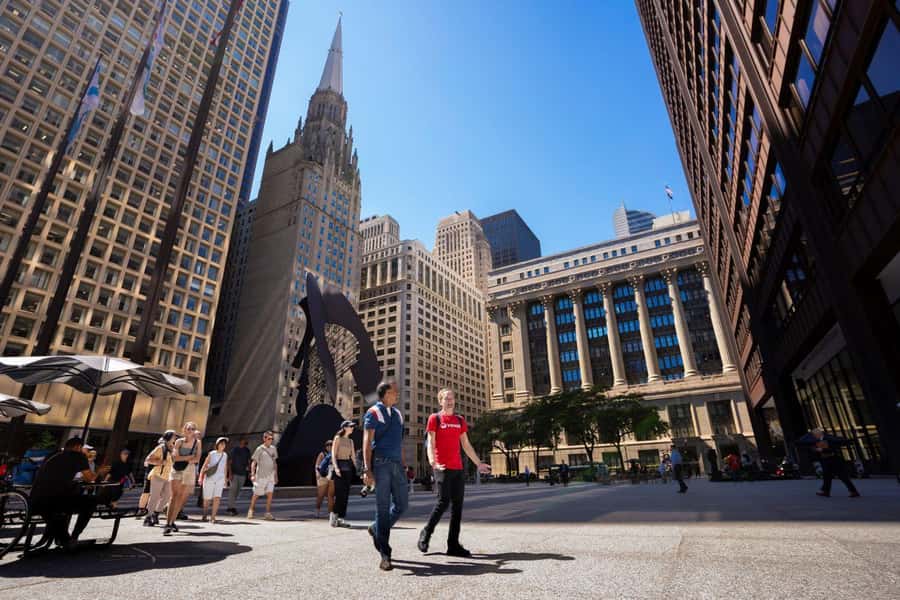
The Riverwalk stretch is the heart of the tour’s downtown architecture story. As you stroll, your guide points out buildings you’ll recognize from photos, and also ones that feel “part of the skyline puzzle” once someone explains their place in the city’s evolution.
You’ll move past and learn about key stops such as the Marina Towers area, Willis Tower, and the Jewelers Building. The payoff here is perspective. Looking at these from street level feels different than seeing them from a distance, and your guide ties what you’re seeing to how Chicago’s future momentum kept shifting.
One of the smartest parts of the itinerary is how it mixes big names with the design cues that make the city legible. You start connecting the dots: certain styles, certain building placements, and certain “this is where people would go” locations make more sense when the history comes first.
If you’re also planning an architecture boat cruise later, this walking portion can make that cruise much easier to follow. More than one person described this as an important complement, because the boat tour shows you views and massing, while the walking tour gives you the narrative and landmarks.
Art Deco design at London House and Du Sable Bridge
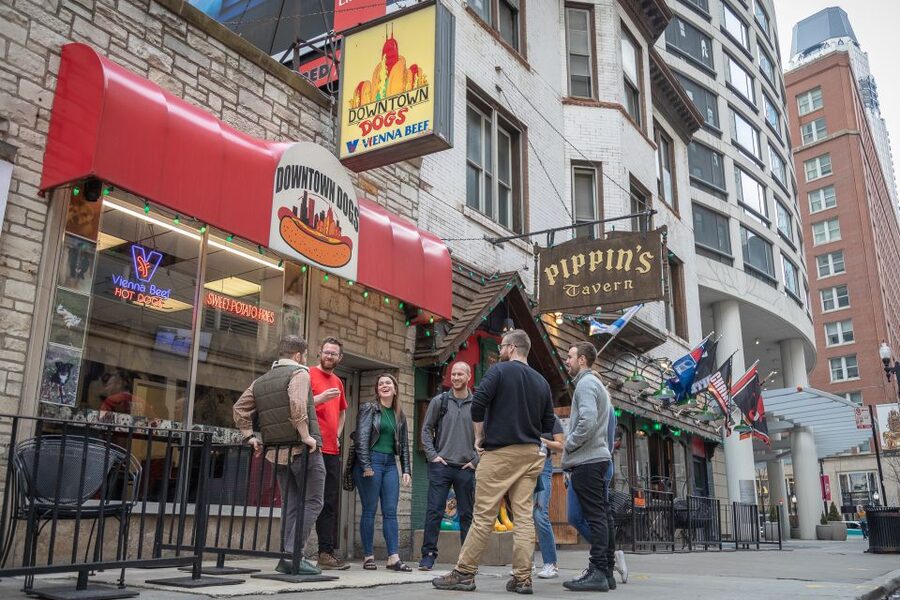
Chicago has a distinct habit of repeating themes in stone, metal, and signage, and this stop helps you see it. You’ll learn about Art Deco designs at London House and at Du Sable Bridge.
What matters for you, as the walker, is not just the label “Art Deco.” It’s the chance to spot details while you’re moving. Your guide draws attention to design language, and you start recognizing patterns instead of just passing by buildings.
London House is the kind of stop that makes people slow down and actually look up. Du Sable Bridge gives you a change in perspective too, because bridges and river crossings naturally broaden the view and help connect architecture to the larger geography of the city.
This is one of those moments where you realize the tour is built for learning by seeing. You don’t have to be an architecture nerd, but you will come away with a better eye for design.
Chicago Cultural Center and the popcorn break that feels very local
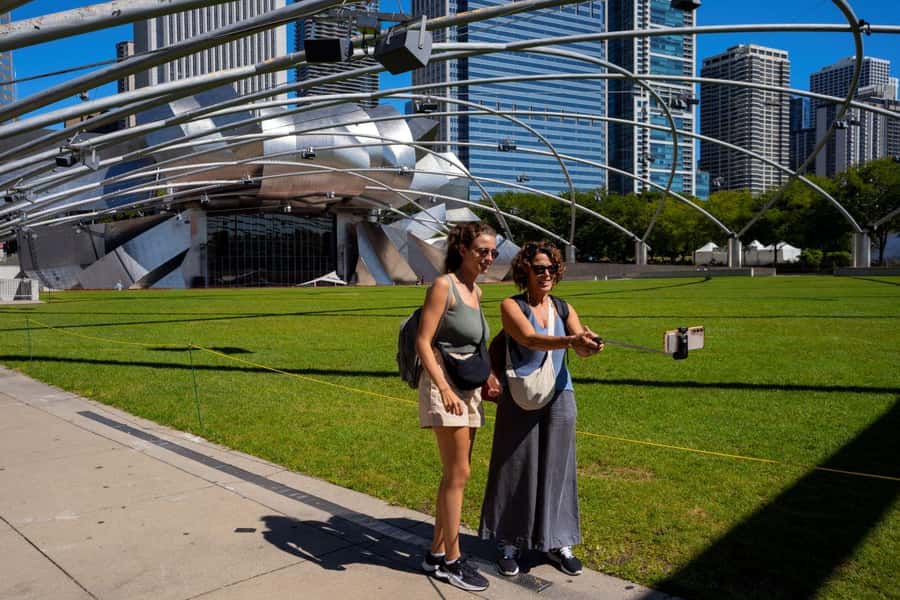
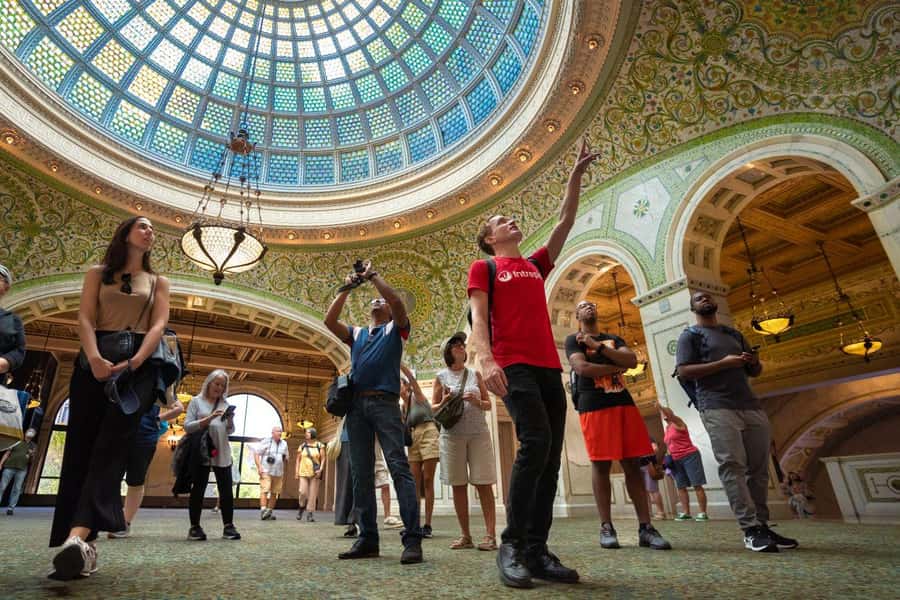
A major highlight is the stop at the Chicago Cultural Center. This is where the tour adds variety beyond the “look up at the skyline” feeling. The Cultural Center is a visual pause in the middle of the walk, and it’s the sort of building that gives you a different angle on Chicago, more human-scaled and more interior-focused.
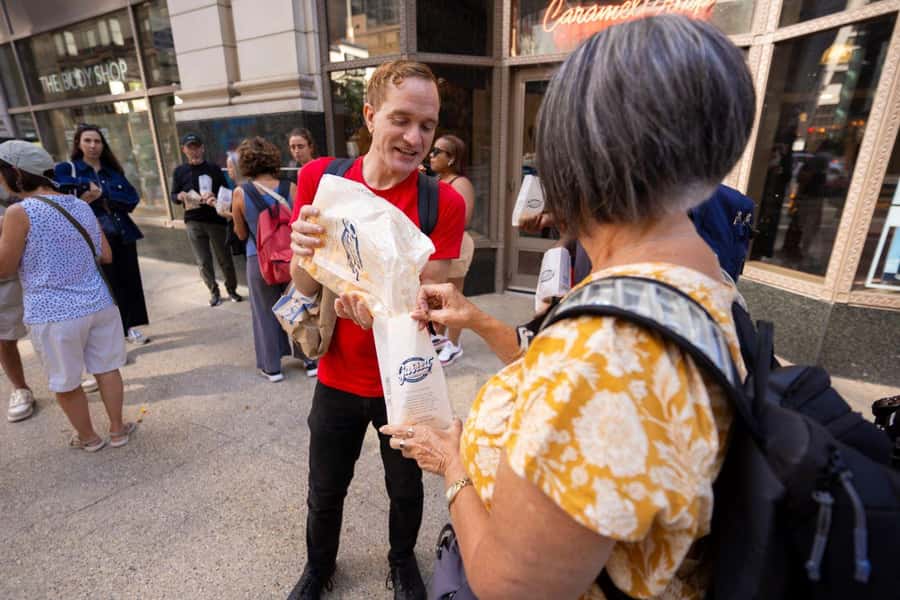
And yes, there’s also food. You’ll enjoy a Chicago-style popcorn treat during the visit. It’s small, but that kind of snack does real work on a walking tour. It gives you a moment to reset your energy, and it also makes the tour feel less like a checklist.
People praised the guide’s attention to small needs like breaks and snacks, and that matters. If you’ve ever been on a long downtown walk where no one waits for the slowest person, you’ll appreciate this approach. The tour is designed to keep you comfortable while still moving efficiently.
Chicago's skyline, explained block by block
- Chicago Architecture River Cruise★ 5.0 · 15,756 reviews
- Chicago River 90-Minute Architecture Tour★ 4.5 · 9,629 reviews
- Chicago River: 1.5-Hour Guided Architecture Cruise★ 4.8 · 8,046 reviews
- Chicago Architecture Center River Cruise aboard First Lady★ 5.0 · 5,536 reviews
- Chicago: Architecture River Cruise Skip-the-Ticket Line★ 4.8 · 4,325 reviews
Wrigley Building and Tribune Tower, plus journalism roots
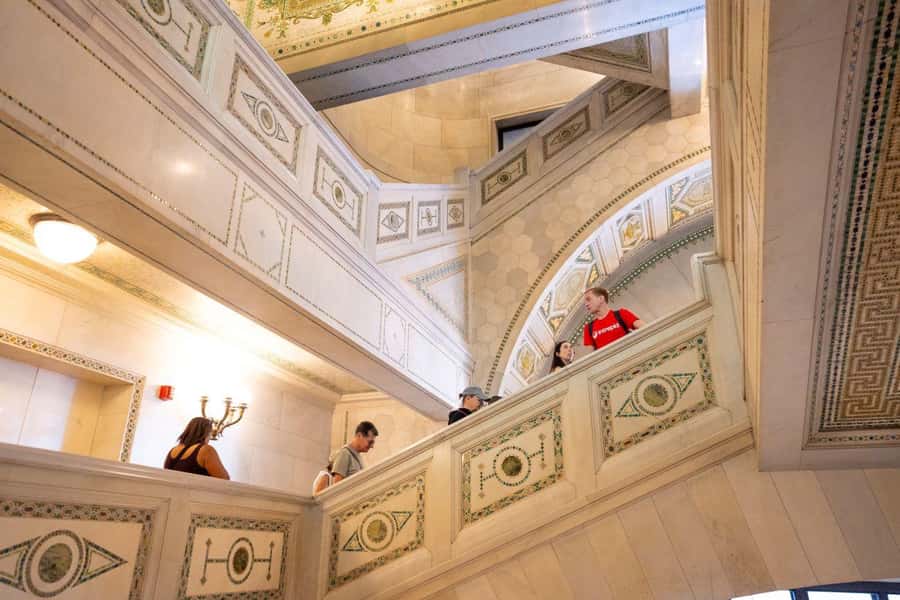
After the Cultural Center, the tour continues with more major downtown landmarks, including the Wrigley Building and Tribune Tower. These stops matter because they connect Chicago architecture to media and influence, not just to skyline glamour.
The tour specifically frames the city’s historical roots in journalism. That’s important for understanding Chicago beyond crime headlines or political rumors. Journalism helped shape public life, and Tribune Tower in particular symbolizes the role of print in a city that kept reinventing itself.
Even if you don’t know anything about Chicago media going in, you’ll leave with a clearer picture of how the city’s culture got spread. The guide’s job here is to translate “industry” into street-level understanding: why these buildings are positioned where they are, why they mattered to the public, and how the city’s momentum kept pulling institutions along.
This section also helps you round out the Prohibition-era theme. When you connect crime and culture to media and public perception, the era makes more sense. You start to see how stories spread and how public spaces and architecture helped frame those stories.
Ending at Millennium Park and the Bean, with next-stop ideas
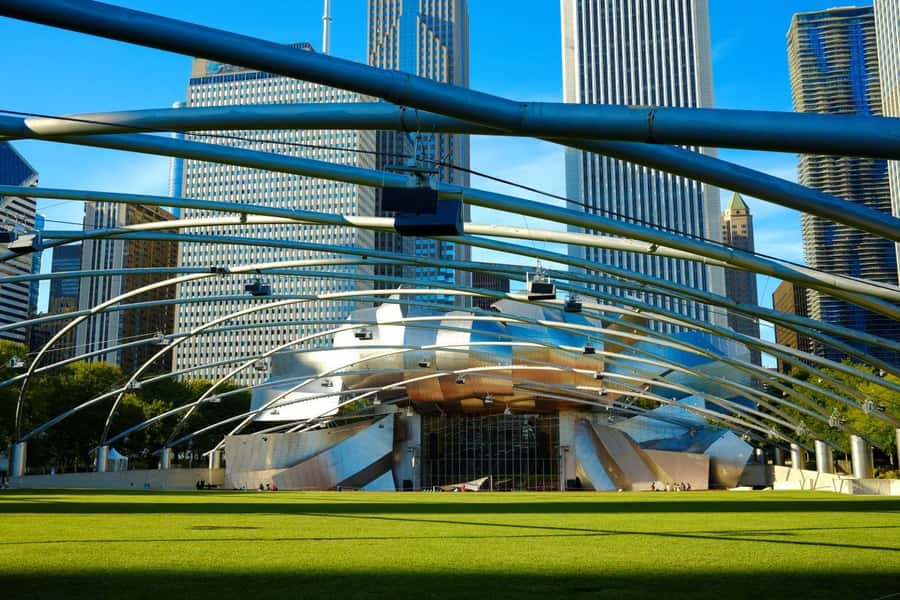
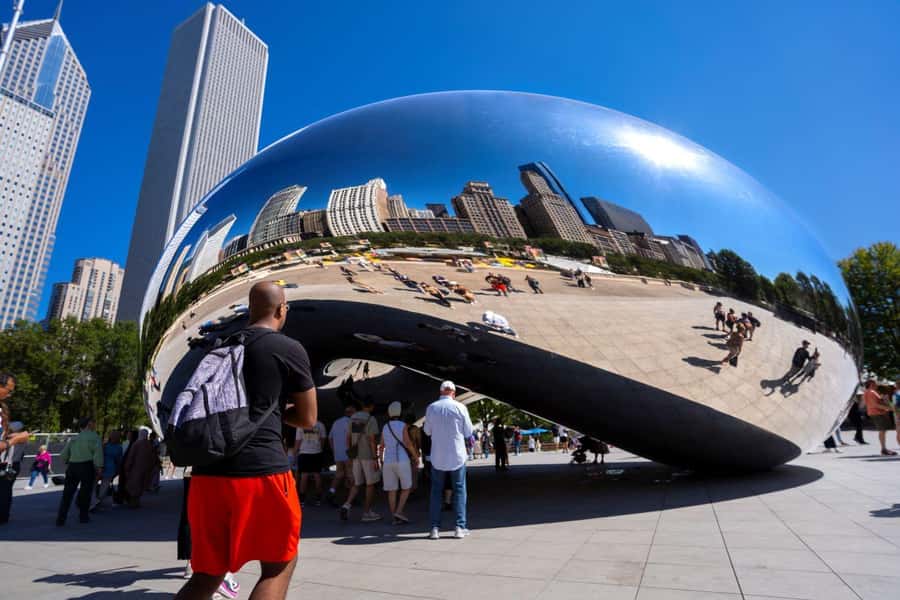
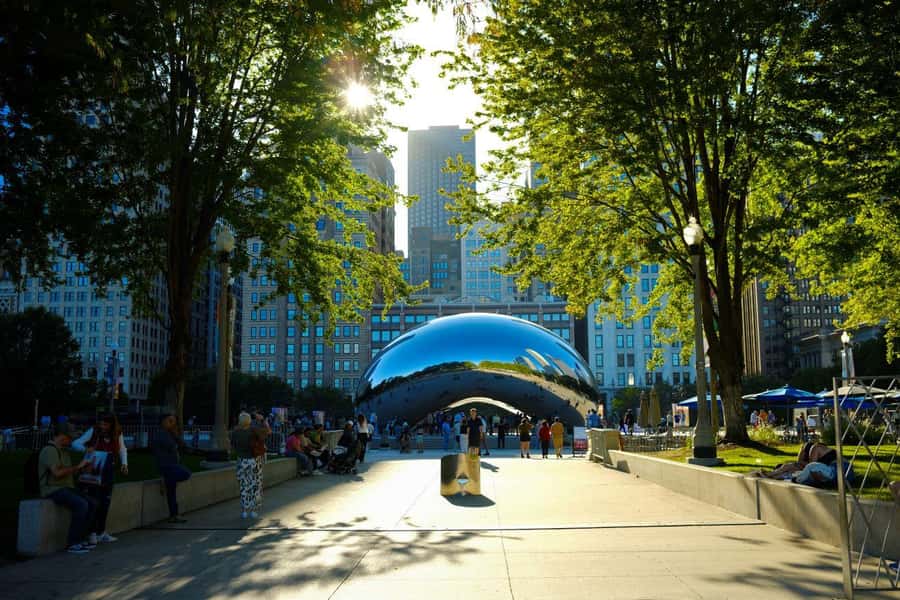
The tour finishes at Millennium Park, home to the iconic Bean. This is a smart ending point because it turns your last minutes into an instant payoff you can enjoy right away, not “one more stop before you go home.”
More importantly, your guide offers great recommendations for lunch and further sights. That part is genuinely useful. Once the tour ends, you want practical suggestions based on where you are standing and what kind of vibe you want next. The guide’s local insight helps you avoid aimless wandering and lets you keep your day flowing.
Millennium Park also gives you a chance to take photos, decompress, and decide what you want to do with the rest of your time. If you’re traveling with a mix of interests, this ending works because even people who weren’t that into architecture usually enjoy the iconic Bean area.
One more plus: the tour’s 2.5-hour pace gives you flexibility. You can fit it into a morning plan or an afternoon plan without feeling like your whole day is gone.
Price and what $49 buys you in real value
At $49 per person for a 2.5-hour guided walking tour, you are paying for three things: a live guide, curated stops, and a small food treat. In downtown Chicago, that mix is where the value shows.
The guide is the big part. People repeatedly praised the storytelling and the guide’s ability to make history feel alive, not robotic. In small-group tours, the guide also matters because you get more of the “ask a question” benefit. When guides like Dash, Kevin, Rich, Bash, and Wallach show up, the tour experience tends to feel personal and flexible rather than scripted.
You’re also getting a lot of visible landmarks packed into one route: Chicago Theatre, Riverwalk architecture including Willis Tower and the Marina Towers zone, the London House and Du Sable Bridge Art Deco design stops, the Chicago Cultural Center, Wrigley Building, Tribune Tower, and then Millennium Park and the Bean. That’s a lot of iconic material without needing multiple separate tickets.
And the popcorn tasting is more than a snack. It’s a reminder that you’re in Chicago, not just touring Chicago from behind your phone. For a walking tour, small local food makes the time feel earned.
Finally, the tour is described as carbon neutral and operated by a B Corp certified company focused on responsible tourism. I can’t see the carbon math myself, but I do like that the operator is making the effort transparent and tying it to responsible practices.
Pacing, distance, and how to plan for that 4.8 km walk
This tour covers about 4.8 km (3 miles) and lasts 2.5 hours. That sounds manageable, and for most visitors it is, but the walking is steady enough that you should treat it like a real stroll, not a light constitutional.
From the reviews, a common theme is that guides manage the group well. People specifically mentioned being aware of breaks, restroom needs, and snacks. That’s a big deal when you’re traveling in a big city and don’t want to feel stressed about timing.
That said, one caution came up in feedback: a couple people noted it might run a bit long if you start the day tired. This is a normal risk with walking tours. If you do this after a long travel day or late-night agenda, you’ll probably feel it. If you’re coming in fresh, you’ll likely enjoy the full arc.
What to bring is straightforward:
- Comfortable shoes
- Weather-appropriate clothing, since experiences happen rain, shine, or snow
If you dress for the conditions and pace yourself, 4.8 km on this route feels like a good “downtown sampler” rather than an endurance event.
Who should book this tour, and who might want a different style
This tour is a great fit if you want:
- Chicago highlights in a compact time window
- Architecture and history connected through one theme (Prohibition-era culture)
- A small group with a guide who talks like a person, not a textbook
It’s also described as suitable for all ages and fitness levels, and it is child-friendly. Children under 6 can join for free. If you’re traveling with kids who can handle a 3-mile walk, this can be a fun, story-driven way to see downtown without a museum-only day.
If you’re the type who wants nonstop action and very little walking, you might find the steady pace less satisfying. But if you enjoy being outdoors and you’re okay with a guided route, you’re in the right place.
This tour also makes sense for first-time Chicago visitors. People used language like must-do for first-timers because it gives you an organized foundation. And even if you live downtown or have been before, the guide’s storytelling and attention to details can still surprise you.
Should you book this Prohibition-and-architecture walk?
Book it if you want a smart, efficient way to learn Chicago’s street-level history through architecture. The combination of Prohibition-era context, iconic landmarks along the Riverwalk, Art Deco design stops, a serious interior moment at the Chicago Cultural Center, and a payoff finish at Millennium Park gives you a well-rounded day without turning into a half-day with no structure.
Skip it or choose a different format if walking 4.8 km sounds like a strain for your plans. Also consider that if you prefer very flexible, pick-your-own-stops sightseeing, a guided walking route may feel more structured than you like.
If you’re on the fence, here’s the easiest decision rule: if you can handle comfortable shoes and you like learning by looking, this is an excellent value at $49 for what you get.
Just Added



Gangster & Mob Tours, compared.

Prohibition Speakeasies Bus Tour or Walking Tour
Read our review →Browse the lists this tour appears in