
Reviewed · CITY TOURS
Chicago: Art of a City, Downtown Chicago Guided Walking Tour
Art hides in plain sight downtown. This 2.5-hour guided walk connects Chicago’s famous buildings with public art by Picasso and other modern masters you can actually see up close. I like the focus on making the art feel part of the street, not like something behind glass.
My other big win is the small group setup, capped at 12 guests per guide, which keeps the pace human on busy sidewalks. The only real caution: expect a moderate amount of walking, so this is not the best pick if your mobility is limited.
In This Review
- Quick highlights you will feel fast
- First impressions: a street-level art lesson in Downtown Chicago
- The big art names: what you’re actually hunting for
- The architecture and history connection, without the textbook feel
- A guided walk you can follow: how the 150 minutes usually break down
- 1) Starting point and quick orientation near 111 S Michigan Ave
- 2) Post-Fire downtown planning, and why public art matters in that reset
- 3) Metal-scale pieces, mosaics, and murals in street context
- 4) Wrap-up with the big-picture connections you can repeat later
- Who leads the tour, and what you should look for in a good guide
- Price and value: what $51 buys in a 2.5-hour format
- Logistics that actually affect your comfort
- What to bring
- Bags and luggage rules
- Language
- Group type options
- When it does not fit: the one limitation to take seriously
- Should you book Chicago: Art of a City, Downtown Chicago Guided Walking Tour?
- FAQ
- How long is the Downtown Chicago guided walking tour?
- What is the price per person?
- Who guides the tour?
- Where do I meet the group?
- Is food or drink included?
- Is the tour suitable for wheelchair users or people with mobility impairments?
- Are large bags allowed?
- How large is the group?
- What happens if I need to cancel?
Quick highlights you will feel fast
- Art-by-sight approach: you’ll learn how major modern artists show up in everyday downtown spaces.
- Art experts lead: a professional art historian guide turns public works into clear stories you can follow.
- Real city context: the tour connects the post-Chicago Fire rebuild and gilded age redesign to what you see today.
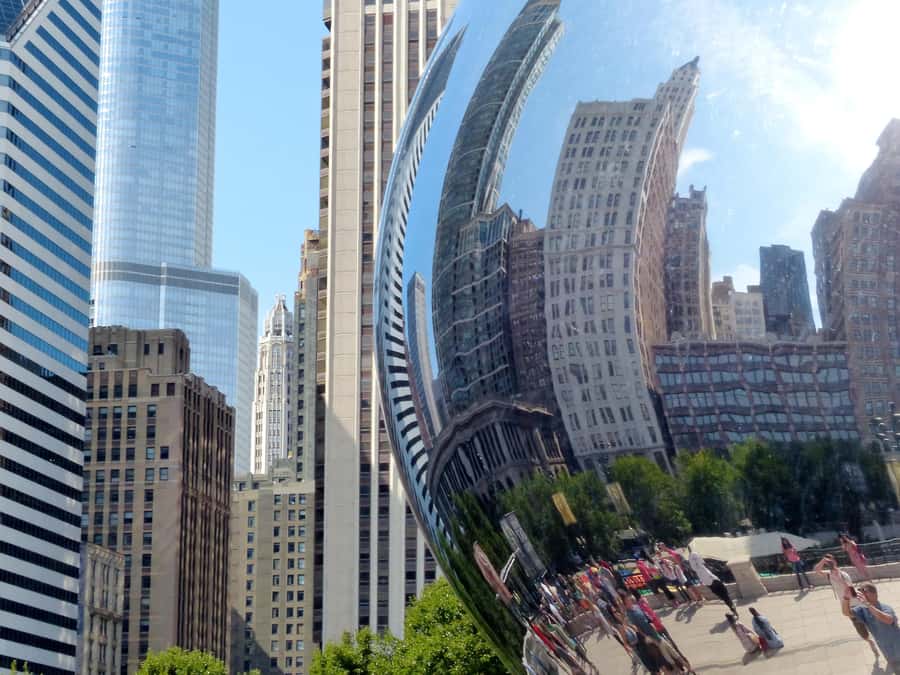
- Monumental scale, close-up access: metal, mosaics, and murals are discussed in a way that helps you understand their size and placement.
- Small group pacing: up to 12 guests per guide helps the tour stay focused rather than rushed.
- Good-value refund angle: free cancellation is available, plus a money-back if you are not satisfied promise.
A few more ways to spend a day in Chicago
First impressions: a street-level art lesson in Downtown Chicago
The best thing about this tour is the premise. Downtown Chicago has world-class architecture, so your brain expects only stone-and-steel sights. Instead, you’re invited to look at what sits in plain view around those icons, including public works by artists like Picasso and Chagall. It’s a smart way to slow down and see the city on purpose.
The experience also feels made for real schedules. At 150 minutes, you get enough time to connect art to history and still have room to keep exploring after. And because the group is small, your guide can answer questions without the whole thing turning into a lecture you listen to from the back.
One practical note. This is a walking tour. That’s obvious, but the tour description calls out moderate walking, and it also flags that it is not suitable for people with mobility impairments. If you’re on the edge, plan for frequent stops and be honest with yourself about your stamina.
The big art names: what you’re actually hunting for
The tour’s main story is that major artists left their mark where you can miss it if you’re not paying attention. The art isn’t tucked into a museum gallery. It’s spread across downtown, close enough that you can hop between scenes without losing the thread.
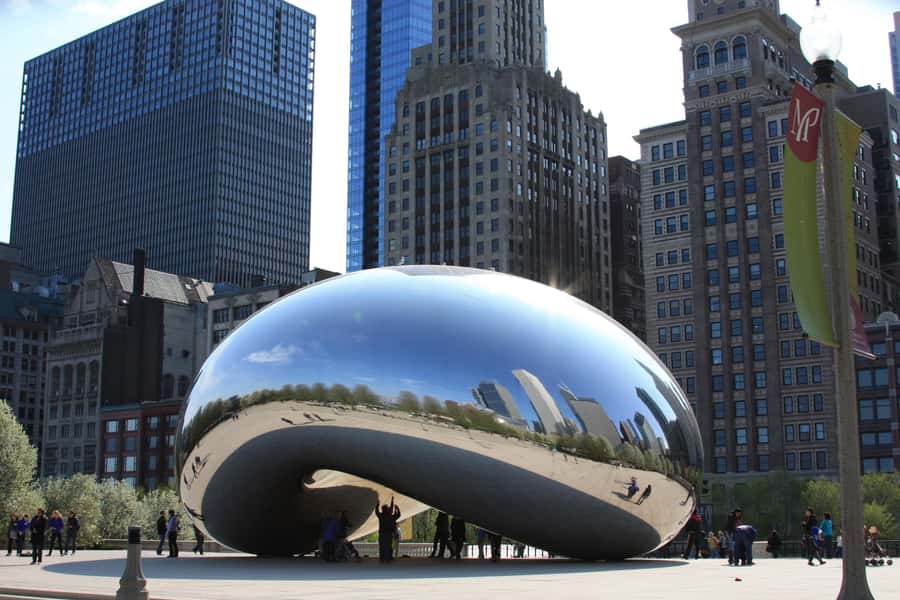
You’ll spend time on public art linked to artists such as Picasso, Chagall, Miró, and Kapoor, plus other works along the route. The tour materials emphasize different visual styles and sizes, including metal sculpture-like pieces, massive mosaics, and murals you could see for miles if the buildings weren’t doing their own thing.
Here is why that matters. When you see public art at street level, it changes how you read it. You notice details you would never catch from a postcard. You also start to understand how artists respond to the city’s geometry. Downtown Chicago is busy in layout and tall in silhouette, so public art often has to work with sightlines, shadows, and crowd movement.
Two small tips to get more out of it:
- Keep your phone camera handy, but don’t record every second. Look first, then capture what you truly want to remember.
- When your guide points out a detail, pause and try to see the artwork from the exact angle they describe. Public art can look different depending on where you stand.
The architecture and history connection, without the textbook feel
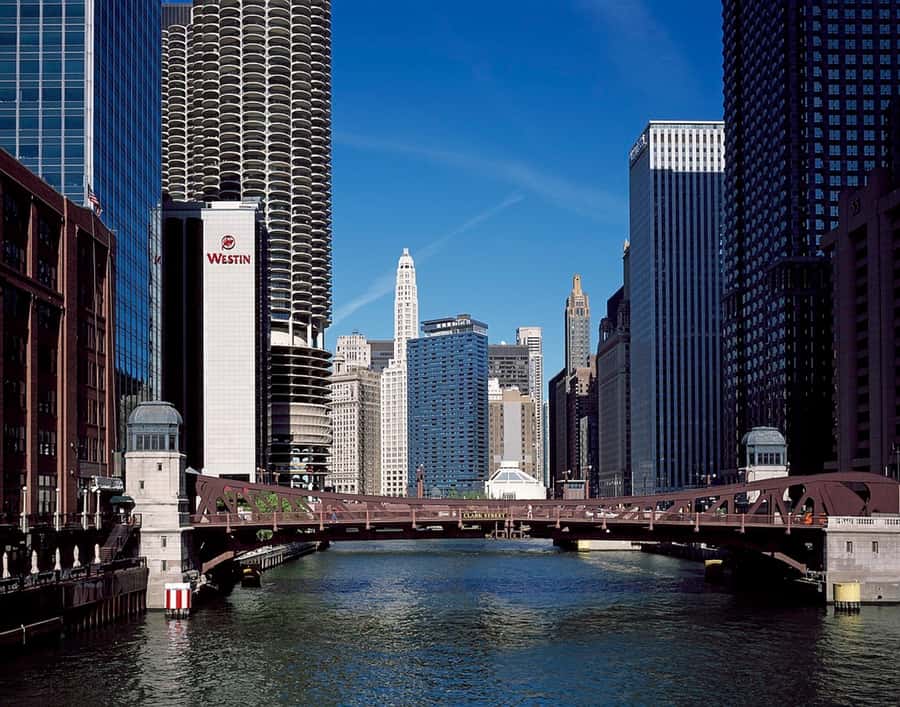
A key part of the tour theme is Chicago’s dramatic reset after the Great Chicago Fire. The guide explains how rebuilding created a clean slate, and how that redesign took shape during the gilded age. From there, the tour connects architecture and public art as two layers of the same story.
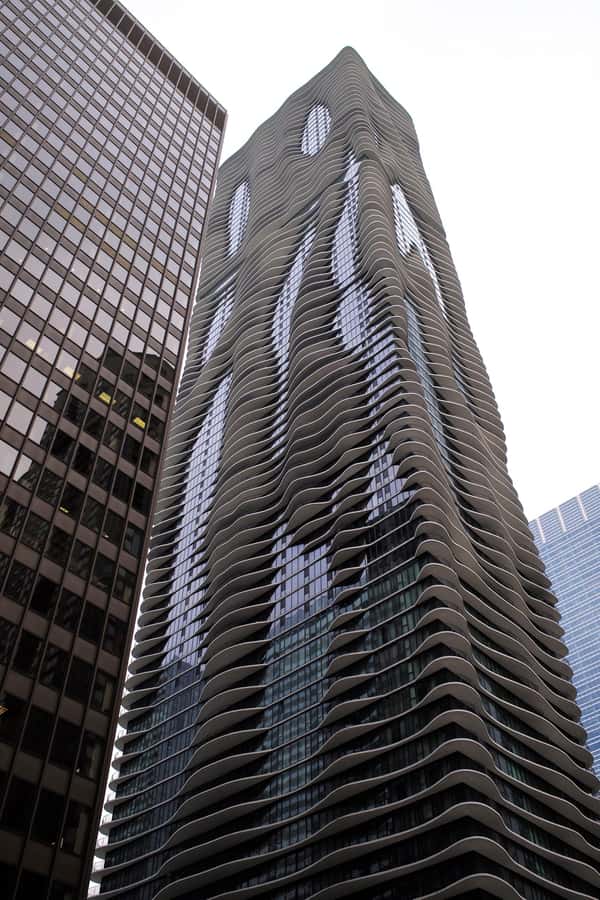
You’ll hear why downtown became a showcase for ambitious design, and then you’ll be shown how public art added character and depth to all that visible grandeur. In other words, the buildings are only half the city’s conversation. The other half is how artists chose to place meaning in everyday space.
This is also where the art historian guide earns their keep. A guide with the right background can do two things at once. They can help you identify what you’re looking at, and they can explain why the artwork belongs in that exact street setting. That blend of art analysis and city context is what turns a pleasant walk into something you can carry home.
The tour also benefits from the way the city layout supports story. The route is built so that the artists and artwork you hear about are within just a few blocks of each other. That keeps your brain from jumping around between unrelated stops.
A guided walk you can follow: how the 150 minutes usually break down
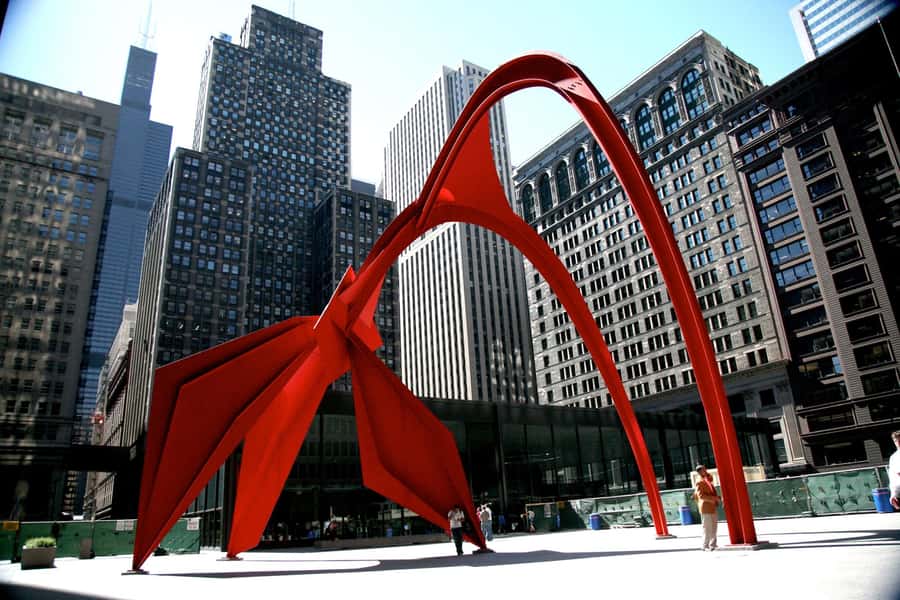
The exact stop order can vary, since the meeting point depends on the option you book, but you can count on a steady flow. Think of the tour as moving through four phases.
1) Starting point and quick orientation near 111 S Michigan Ave
You’ll begin at one of the starting options listed as 111 S Michigan Ave. Since the meeting point can vary by option, double-check your confirmation details before you leave.
In the first stretch, the guide typically sets expectations: how to look, what to notice in public art, and how the architecture around you plays into the story. This early orientation is useful. Downtown can feel like one long blur of towers, so you want a framework before you start scanning murals and mosaics.
Potential drawback here. If you arrive late or confused, you lose the guide’s first framing points, and that can make later stops feel like separate sights rather than one connected walk.
Beyond the skyline, the neighborhoods have their own tours and their own stories.
- Chicago Architecture River Cruise★ 5.0 · 15,756 reviews
- Chicago River 90-Minute Architecture Tour★ 4.5 · 9,629 reviews
- Chicago River: 1.5-Hour Guided Architecture Cruise★ 4.8 · 8,046 reviews
- Chicago Architecture Center River Cruise aboard First Lady★ 5.0 · 5,536 reviews
- Chicago: Willis Tower Skydeck and The Ledge Ticket★ 4.6 · 4,350 reviews
2) Post-Fire downtown planning, and why public art matters in that reset
Next comes the history thread. You’ll connect the post-fire rebuild to the way downtown grew into an architectural statement. This part sets up the central question of the tour: where does public art fit into a downtown built to impress?
The value for you is mental organization. Instead of just seeing art and saying, That’s cool, you learn to ask, Why is this here, and why does it work with the buildings nearby?
3) Metal-scale pieces, mosaics, and murals in street context
Then the tour shifts into the kinds of artworks the description highlights: metal works with bold forms, large mosaic surfaces, and murals designed to be read from a distance and through a city full of interruptions.
This is where you’ll start noticing the difference between art in a museum and art in an actual city corridor. In downtown, wind, traffic noise, shadows from skyscrapers, and the flow of people all affect how an artwork is experienced. A good guide helps you understand those constraints instead of pretending they don’t exist.
The practical advantage. You spend enough time at each type of artwork to feel your understanding click into place. This is not a hit-and-run photo stop loop.
4) Wrap-up with the big-picture connections you can repeat later
The last phase is the synthesis. By the end, you should be able to describe how Chicago’s architectural growth and twentieth-century to present-day artists intersect in the public realm.
This wrap-up is important if you’re planning to do more walking after the tour. When you understand what to look for, the rest of downtown becomes easier to read on your own.
Who leads the tour, and what you should look for in a good guide
The tour is operated by Babylon Tours Chicago, and it includes a professional art historian guide. That matters because public art can look obvious until you want the “why.” The guide should translate visual form into story and context.
Two guides stand out in the feedback tied to this experience: Mandy and Spiro. Both are described as excellent, with strong city history focus and real enthusiasm that made the tour better. That combination is exactly what you want on a walking art tour. You’re moving, you’re distracted by street life, and you need a guide who can keep the thread tight while still sounding human.
When you book, you can’t always pick your exact guide. But you can choose smartly by reading for signals of enthusiasm and clarity. An art historian guide does not mean you should get a dry lecture. If the guide is bringing the art to life, you’ll feel it in how they point things out and how quickly the story becomes understandable.
Price and value: what $51 buys in a 2.5-hour format
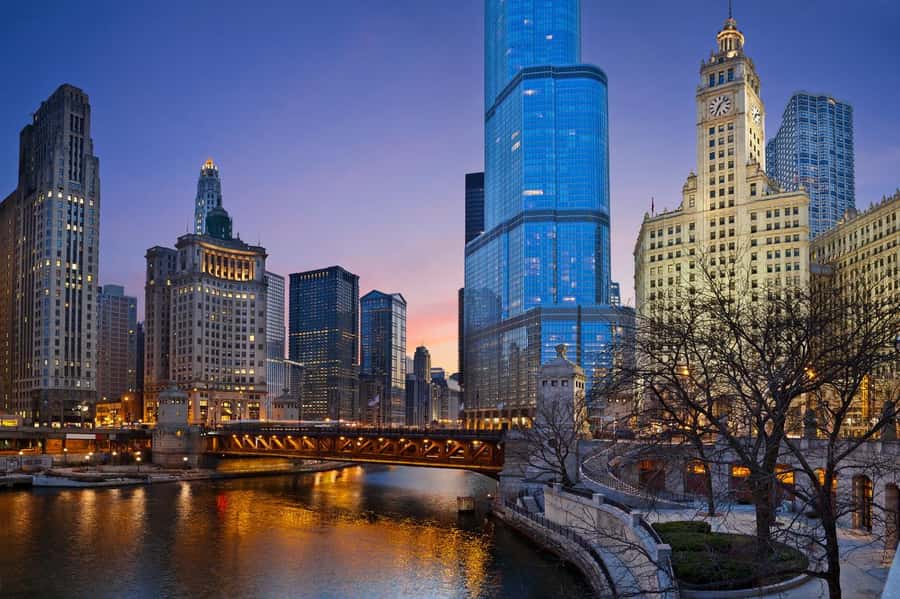
At $51 per person for about 150 minutes, the value depends on one question: do you want guidance, or do you prefer to wing it?
If you’re the type who loves reading plaques and looking up artwork after you see it, you could self-tour. But this tour gives you something most DIY plans cannot: an organized route, an art-focused explanation in real time, and a way to connect architecture and public art so it all makes sense while you’re there.
Also, the group size cap at 12 guests per guide helps keep the experience from feeling like a rushed assembly line. For a short downtown window, that kind of small-group format tends to produce better retention. You’ll remember more because the guide can repeat or clarify as needed.
Two things to think about on the cost side:
- Food is not included. So plan on budgeting for a snack or drink before or after, if you need it.
- If you have mobility limitations, the tour is not suitable, which affects value for you specifically. A cheaper tour that you can’t comfortably do is still expensive in practice.
Logistics that actually affect your comfort
This experience is straightforward, but a few details can make a big difference.
What to bring
Bring a passport or an ID card. That’s the stated requirement.
Bags and luggage rules
No oversize luggage. No luggage or large bags. If you’re traveling with a bigger bag from the train station, you may want to store it before your tour so you can walk freely.
Language
The live guide is English.
Group type options
You can book private group options. There are also semi-private tour options, described as perfect for small group walking on busy sidewalks.
One caution related to that semi-private format. The information specifies a maximum group size of 12 per guide for an intimate experience, but it also notes that the semi-private tour has a minimum requirement of 2 participants to run. If it does not meet the minimum, an alternative date or full refund is offered.
When it does not fit: the one limitation to take seriously
This is not a good match if you have mobility impairments. The tour description explicitly says moderate walking is involved, and it also notes that the semi-private option is not available for those with walking disabilities or wheelchair users. At the same time, it says wheelchair tours are available only on request, which suggests accessibility depends on the specific setup and whether the provider can accommodate you.
My practical advice is simple. If accessibility is a factor for you, contact the provider before you book so you’re not relying on assumptions. Ask directly what format they can offer and how the walking demands will be handled.
If you are able to walk at a moderate pace, the tour can be a great way to see downtown with purpose instead of random roaming.
Should you book Chicago: Art of a City, Downtown Chicago Guided Walking Tour?
Book it if you want Chicago in a way that feels connected, not just collected. This tour is built to help you see major artists, like Picasso, Chagall, Miró, and Kapoor, placed into the real downtown environment. With an art historian guide and a small group size, you get clarity fast, and you’ll likely walk away with a better way to look at the city on your own.
Skip it if:
- You cannot do moderate walking.
- You need a tour with long indoor breaks or seating at regular intervals.
- You’d rather not pay for guidance and prefer a solo museum-style research plan.
If you fall in the middle, here’s the tiebreaker I’d use. If you care about understanding what you’re looking at while you’re still standing there, the $51 price feels more reasonable. If you just want views and don’t need the art context, you may be happier doing a self-guided architecture walk.
FAQ
How long is the Downtown Chicago guided walking tour?
It runs for about 150 minutes.
What is the price per person?
The price is $51 per person.
Who guides the tour?
You’ll have a live tour guide who is an art expert, with a professional art historian guide included. The tour is in English.
Where do I meet the group?
The starting location options include 111 S Michigan Ave, and the meeting point may vary depending on the option you booked.
Is food or drink included?
No, food and drink are not included.
Is the tour suitable for wheelchair users or people with mobility impairments?
The tour information says it is not suitable for people with mobility impairments. It also notes wheelchair tours are available only on request, but the semi-private option is not available for wheelchair users.
Are large bags allowed?
No. Oversize luggage is not allowed, and luggage or large bags are not allowed.
How large is the group?
The tour has a maximum of 12 guests per guide.
What happens if I need to cancel?
There is free cancellation up to 24 hours in advance for a full refund. The experience also states that you get your money back if you are not satisfied.
Just Added






City Tours, compared.

Delicious Donuts & City Sights: Chicago’s Original Donut Tour
Read our review →
Chicago City Tour with Architecture River Cruise Option
Read our review →
City Cruises Chicago: Seadog Lakefront Speedboat Ride
Read our review →

City Cruises Chicago: Signature Lunch Cruise on Lake Michigan
Read our review →
City Cruises Chicago: Premier Lunch or Dinner Cruise
Read our review →
City Cruises Chicago: 75-min Speedboat Architecture Cruise
Read our review →
Browse the lists this tour appears in