Reviewed · TOURS
Small-Group Tour of Chicago Neighborhoods: North and South Side
Chicago neighborhoods have a lot to say. This small-group route covers Hyde Park, the Loop, Lincoln Park, Gold Coast parks, and Bronzeville with local context you will not find on a standard bus. The cap is tiny, so you get more real conversation than you do in a crowd.
Two things I like a lot are the small-group size (capped at five, with a max of 11) and the round-trip transit built in. One drawback to consider: the day is mostly time in the van, so if you get motion sick easily, you will want to sit strategically and take breaks when you can.
In This Review
- Key Highlights You Should Care About
- A North and South Side Mix That Actually Helps You Understand Chicago
- Meeting at the Chicago Theatre, and How the 4.5 Hours Work
- Hyde Park and the University of Chicago, Plus the Michelle Obama Plaque
- Lincoln Park Around Du Paul University, With Neighborhood-Level Charm
- Gold Coast Parks and the City View Moments That Add Context
- Wrigley Field From the Van, Then Rolling Toward Bronzeville
- Bronzeville’s Migration Story, Pilgrim Baptist Church, and Change You Can See
- The Guide Factor, From Humor to Driving Style
- Value and Fit: When This Tour Makes Sense, and When It Might Not
- Should You Book This North and South Side Neighborhood Tour?
- FAQ
- Where does the tour start?
- What time does the tour begin?
- How long is the tour?
- Is pickup available?
- Is round-trip transit included?
- How big is the group?
- What language is the tour offered in?
- What neighborhoods and landmarks will we see?
- Is confirmation provided after booking?
- Are service animals allowed?
- What is the cancellation window?
Key Highlights You Should Care About
- Small-group feel: capped at five for a more personal Chicago introduction
- Off-tourist-trail stops: locals-frequented areas, not just postcard stops
- Neighborhood variety in one day: Hyde Park, Lincoln Park, Gold Coast, Wrigley Field views, Bronzeville
- University and community context: University of Chicago, Du Paul University, and Pilgrim Baptist Church
- Local history tied to real places: plaques, landmarks, and how each area changed over time
- Entertaining guide energy: Steve Johnson style storytelling, with humor and strong neighborhood opinions
Chicago is a big city with a short list of essentials — here are a few worth building a day around.
A North and South Side Mix That Actually Helps You Understand Chicago
Chicago can feel split in half at first glance. This tour quietly proves it is not just geography. You move through neighborhoods shaped by schools, faith communities, migration stories, and real estate pressure, so you start seeing patterns instead of random landmarks.
I love that the route is built around neighborhood identity, not a checklist of famous sites. You get to Hyde Park and Lincoln Park, yes, but you also get a meaningful stop in Bronzeville, where the story is about people and movement, not just architecture. And since the group is small, questions do not get lost in a bus microphone.
The overall pace is part of the deal. You will spend a lot of time looking out at homes, blocks, parks, and campus edges from the van, then absorbing the meaning behind what you are seeing.
Meeting at the Chicago Theatre, and How the 4.5 Hours Work
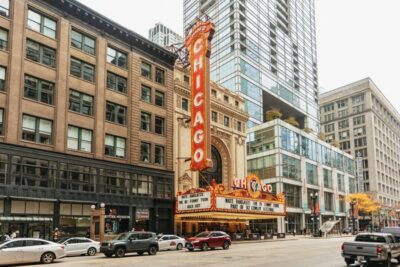
You start at the Chicago Theatre, 175 N State St, and the scheduled start time is 9:00 am. The tour runs about 4 hours 30 minutes and returns to the meeting point.
A helpful detail here is that your time is not just spent riding. The van time is used for running commentary that connects each neighborhood to larger themes. If you like to learn while you move, this format fits well.
Pickup is another practical point. If the schedule allows, airport pickup may be available for an extra $60, described as roughly the cost of an Uber ride. If you are arriving by air and want the least-stress start, that option can be worth it.
If you prefer walking breaks, you should know the itinerary is designed around viewing and storytelling, not long sightseeing walks. You will likely get moments to look closely, but do not expect a walking-only day.
Hyde Park and the University of Chicago, Plus the Michelle Obama Plaque
Stop one is a Hyde Park focus, and it is the kind of place that changes how you read Chicago. You will see the neighborhood and reference landmarks tied to U.S. presidents and cultural moments, including a plaque marking the spot where Michelle Obama was first kissed. That detail is quick, but it sets a tone: Hyde Park is both academic and personal.
From there, you tour the University of Chicago campus area. The school draws students from around the world, and the key point is that many stay after graduation, which shapes the neighborhood right away. You also pass The University of Chicago Medicine, so the tour connects education to work and healthcare.
Hyde Park also comes across as a true melting pot in the everyday sense. The housing mix is part of the lesson. Real estate ranges from multi-million dollar homes to apartments reported at around $600 monthly, which helps you understand how different income levels share the same streets.
What makes this stop valuable is that it explains how a university anchors a neighborhood. Hyde Park is not just a “nice area,” it is a living system with students, researchers, medical professionals, and long-time residents all orbiting the same institutions.
Potential downside? If you are hoping for lots of long time on campus grounds, this stop may feel more “look and learn” than “wander and explore.” Still, the value is in how the guide ties what you see to why it looks the way it does now.
Lincoln Park Around Du Paul University, With Neighborhood-Level Charm
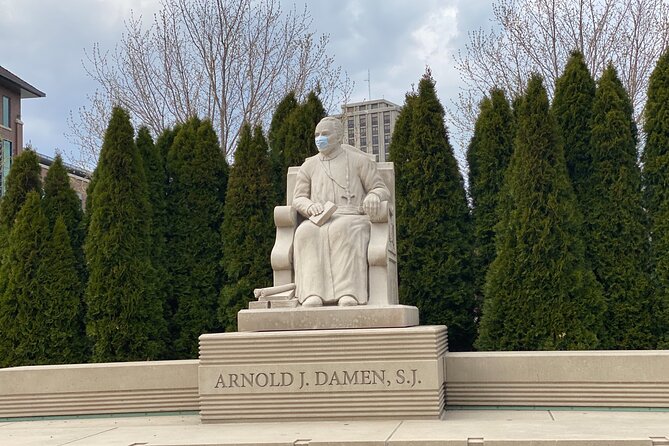
Next you head toward Lincoln Park, and the vibe is different right away. You will see historical Du Paul University and the surrounding neighborhood.
This is where Lincoln Park starts to feel like the city’s “every style fits here” zone. The homes, from traditional to newer designs, and the mix of frame to brick construction give you a sense of Chicago built over time. You also see shops and restaurants, and that matters because Lincoln Park is not isolated as a residential pocket. It functions as a neighborhood center.
Lincoln Park is often described as beautiful, and that part is true, but the useful angle from this tour is how beauty links to everyday living. You are seeing a place where a university presence, local businesses, and housing styles work together.
One thing to keep in mind: Lincoln Park is visually attractive, so it is easy to miss the underlying theme. Watch for what the guide emphasizes about change and continuity, not just what you admire on the first pass.
Gold Coast Parks and the City View Moments That Add Context
The Gold Coast stop is about contrast. You will see the neighborhood and parks, and the feel is more polished than some other areas on the route.
This is a smart placement in the itinerary. After Hyde Park’s academic and resident mix and Lincoln Park’s home-and-neighborhood energy, Gold Coast gives you a different lens on how Chicago parks and streets interact with affluence and lifestyle.
Even if you are mostly passing by, parks are a clue. In Chicago, park access often tells you a lot about the neighborhood bargain, who invests in the area, and how families use space. So even a shorter viewing moment can be informative here.
If you are a photo person, this segment usually delivers. Just remember, the tour value is the story behind the scenery. Capture what you can, then listen for the explanation.
Beyond the skyline, the neighborhoods have their own tours and their own stories.
- Chicago: Gangsters and Ghosts Walking Tour★ 5.0 · 7,155 reviews
- Chicago Architecture Center River Cruise aboard First Lady★ 5.0 · 5,536 reviews
- Chicago: Willis Tower Skydeck and The Ledge Ticket★ 4.6 · 4,350 reviews
- Chicago: Architecture River Cruise Skip-the-Ticket Line★ 4.8 · 4,325 reviews
- Chicago Crime and Mob Bus Tour★ 4.5 · 3,186 reviews
Wrigley Field From the Van, Then Rolling Toward Bronzeville
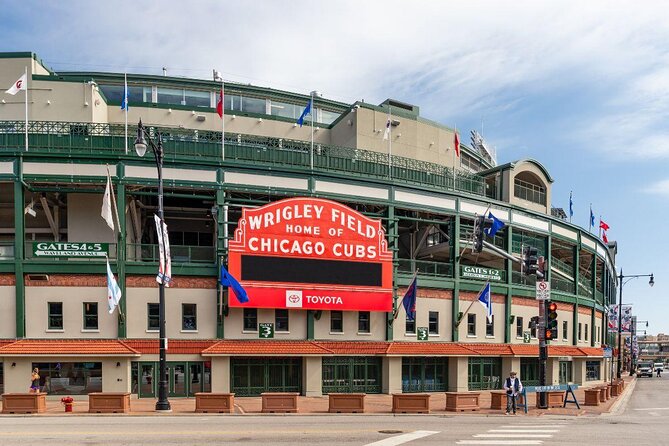
From the tour van, you will see Chicago neighborhoods and parks including Wrigley Field, with the quick baseball nod that Go Cubs comes up as part of the local vibe.
This is not marketed as a stadium tour. It is more like a street-level reality check. Chicago’s sports culture is right there in the city fabric, not sealed off in a separate world.
As you keep moving, you start transitioning to the kind of Chicago that requires you to slow down mentally. That is where Bronzeville comes in.
If you tend to think of Chicago as one big downtown plus neighborhoods, this leg helps you break that habit. You see how quickly the city’s identity shifts block to block, and how the guide frames those shifts.
Bronzeville’s Migration Story, Pilgrim Baptist Church, and Change You Can See
Bronzeville is the emotional centerpiece of the itinerary. You learn history about African Americans leaving the South and moving north, and you hear how many stayed in Chicago while some passed through to other cities.
The story includes the role of rail travel and timing. The tour explains that many knew when to get off at the final stop based on what the conductor said during the ride. It is a blunt detail, but it makes the migration feel concrete instead of abstract.
You also learn about the naming of Bronzeville being connected to African American skin tone, another detail that gives language and meaning to what you are seeing today. Then you get a landmark reference: Pilgrim Baptist Church, often referred to as the birth of gospel music.
The tour also emphasizes revitalization. You are shown a slice of black life, with the idea of the new next to the old. That is exactly what you want from a neighborhood tour in Chicago. You are not only seeing the past. You are seeing how communities rebuild and negotiate the future.
The trade-off is that this stop can feel heavier than the earlier ones. If you prefer a light day of sightseeing, this portion might surprise you. If you want to understand the city as lived experience, it is the stop that most likely sticks with you afterward.
The Guide Factor, From Humor to Driving Style
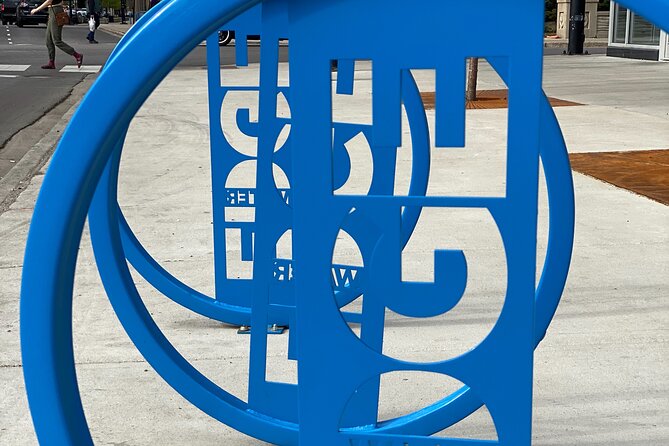
A lot of the reviews emphasize the guide energy, especially Steve Johnson. The common thread is that he loves Chicago and communicates with humor while giving strong context. That matters because the tour depends on explanation. You cannot just look at a street and understand policy, migration, or school influence without someone putting the pieces together.
At the same time, I will flag what you should consider. One negative report described the driving as erratic, with sharp turns and a car that felt small for the ride. Another mentioned the guide had difficulty hearing and had to speak up, which can make conversation harder if you are trying to ask questions quickly.
So here is the practical advice I would give you: if you get car sick, bring motion sickness tools and ask where you will be sitting. If you need clear audio, consider whether you will be comfortable asking follow-up questions during louder driving moments.
Good tours are not only about facts. They are also about comfort and communication. Most accounts are positive, but it is smart to take comfort seriously before you book.
Value and Fit: When This Tour Makes Sense, and When It Might Not
This tour is aimed at people who want a real Chicago orientation in one shot. The best fit is first-timers who already know they want neighborhoods beyond the usual downtown loop, and who want context tied to places like Hyde Park and Bronzeville.
Small-group size is part of the value. When the cap is five, you spend less time waiting for your turn and more time actually hearing what is being said. That also means you can ask about what you care about, like housing mix, education impacts, or why a neighborhood feels different from one street to the next.
Round-trip transit is another value point. The itinerary includes travel back to the meeting point, which reduces logistics stress. And if you add airport pickup, you reduce the risk of starting your trip late or with uncertainty.
About price, there is no number provided here. One review did note it can seem expensive, but argued it is worth it because you cover a lot of blocks with a local character providing perspective. Even without the exact cost, you can judge value by the structure: multiple neighborhoods, guided commentary throughout, and the small-group cap.
When might it be less ideal? If you want a mostly walking day, this is not that. If you are extremely sensitive to driving motion, you should think carefully. And if you need guaranteed communication clarity at all times, consider asking directly about how questions and audio will work in a small vehicle.
Should You Book This North and South Side Neighborhood Tour?
If your goal is to understand Chicago as neighborhoods with stories, I think this tour is a strong pick. You get a classic North Side slice with Lincoln Park and Gold Coast, a university-heavy Hyde Park segment, and then Bronzeville, which gives the city its deeper spine. The small-group cap helps you feel like you are learning with a person who actually cares, not just listening to a recorded script.
I would especially recommend it if:
- You are short on time but want more than downtown
- You like history tied to real streets, plaques, and institutions
- You want an intimate ride with local commentary
I would think twice if:
- You are prone to motion sickness and hate sharp turns
- You need very quiet conversation and perfect audio every minute
- You want long stops and lots of walking instead of van-based viewing
If you can handle a ride and you are ready to listen, this is one of the better ways to get your bearings fast, because it teaches you how Chicago neighborhoods work, not just how they look.
FAQ
Where does the tour start?
The tour starts at the Chicago Theatre, 175 N State St, Chicago, IL 60601.
What time does the tour begin?
The start time is 9:00 am.
How long is the tour?
It runs about 4 hours 30 minutes.
Is pickup available?
Pickup is offered if the schedule allows, and airport pickup may be available for an additional $60.
Is round-trip transit included?
Yes, round-trip transit is included.
How big is the group?
It is capped at five people for a personal experience, with a maximum of 11 travelers.
What language is the tour offered in?
The tour is offered in English.
What neighborhoods and landmarks will we see?
You will see Hyde Park, the Loop, Lincoln Park, Gold Coast neighborhoods and parks, views including Wrigley Field, and Bronzeville, including Pilgrim Baptist Church.
Is confirmation provided after booking?
Yes, confirmation is received at the time of booking.
Are service animals allowed?
Yes, service animals are allowed.
What is the cancellation window?
Free cancellation is available, and you can cancel up to 24 hours in advance for a full refund.
Just Added





Tours, compared.
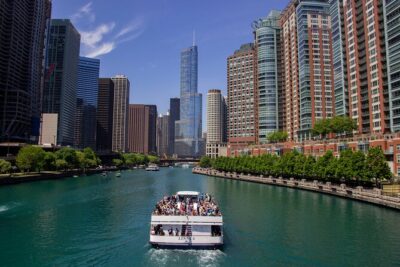
Chicago River 45-Minute Architecture Tour from Magnificent Mile
Read our review →
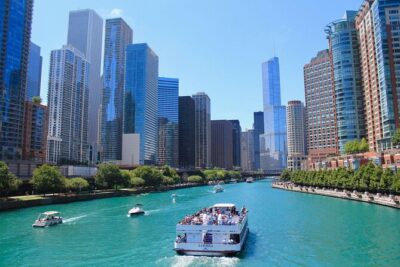
Big Bus Chicago: Hop-On Hop-Off Sightseeing Tour, 24/48/72hr Pass
Read our review →
Chicago Favorites Ultimate Food and Walking Tour
Read our review →