
Reviewed · MUSEUMS
Illinois Holocaust Museum Experience360 Admission
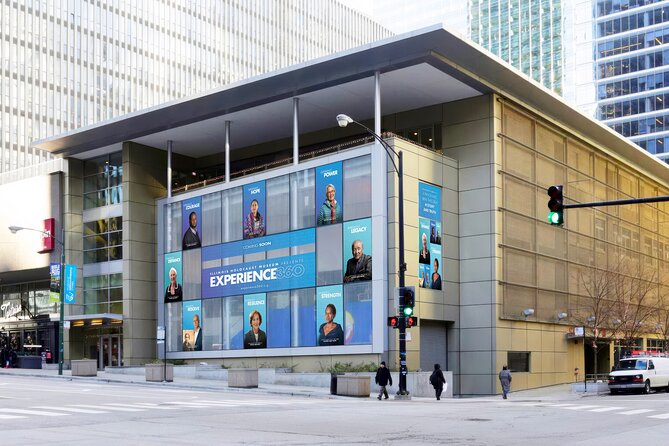
History turns personal here. Illinois Holocaust Museum Experience360 brings VR and holographic storytelling into a tight 1 to 2 hour visit, with time for reflection and questions along the way.
What I like most is that you are not just watching content, you are getting a guided path through the museum, starting in the Call-to-Action Gallery and moving into the VR and survivor-focused exhibits. Another big win is that the ticket includes access to all the museum’s exhibitions, so the VR part feels like one powerful chapter in a larger, thoughtful visit.
One thing to plan for: it is not recommended for children under 12, and some sections are emotional. If you prefer light, fast sightseeing, this might feel heavy.
In This Review
- Key points
- A 12 Dollar Ticket That Packs a Lot of Meaning
- From the Call-to-Action Gallery to Context That Holds Up
- The Northern Trust Virtual Reality Theater: Places, Not Just Dates
- ITW Stories of Survival: Object, Image, Memory
- Holographic Conversations With Survivors: Ask, Listen, Reflect
- Time With Staff and the Museum Tour After VR
- Price, Duration, and Ticket Type: Simple and Worth Planning For
- What to Expect During a Respectful, Emotion-Forward Visit
- Who Experience360 Fits Best
- Should You Book Illinois Holocaust Museum Experience360?
- FAQ
- How much is the Illinois Holocaust Museum Experience360 admission?
- How long does the Experience360 visit take?
- What does the ticket include?
- What technology is included in Experience360?
- What time is it open?
- Is this suitable for children?
- Can I use a mobile ticket?
- Is cancellation free?
- Are service animals allowed?
Key points
- VR theater for survivor places that focuses on childhood hometowns and hiding locations
- Holographic survivor conversations designed to bridge past and present with humanity and innovation
- Full exhibition access included so you can keep going after Experience360
- Ask questions throughout with staff ready to talk when you want clarity
- Adult-focused tone that calls for patience and a respectful pace
A few more ways to spend a day in Chicago
A 12 Dollar Ticket That Packs a Lot of Meaning
For $12 per person, Illinois Holocaust Museum Experience360 is good value because you get more than a single attraction. You are paying for a curated experience that includes the VR theater, the holographic conversations, and entry to the museum’s other exhibitions. In a city full of “pay to enter, then wander,” this one gives you a clear sequence that makes the museum easier to understand.
The visit usually takes 1 to 2 hours, which is a realistic window for a museum stop that includes technology plus time to think. If you want extra time, you can take it. If you are short on time, you can still complete the core Experience360 flow and then choose how much of the rest of the museum to see.
The museum schedule runs daily from 10:00 AM to 5:00 PM across the listed date range. That makes it simple to slot into a Chicago day, especially if you like indoor plans when the weather is doing its usual thing.
From the Call-to-Action Gallery to Context That Holds Up
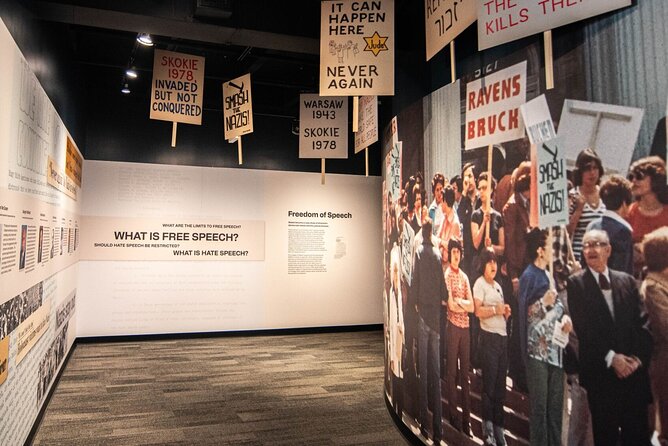
Experience360 starts with orientation, and I appreciate when museums do this well. The Call-to-Action Gallery sets up why a Holocaust Museum was founded in Skokie, then it gives you a foundation for what you are about to experience. It matters because VR and holograms hit hardest when you understand the human and historical stakes behind them.
From there, you move into the Karkomi Foundation Gallery for an overview of the Holocaust and World War II. This part helps you connect the story beats instead of treating the experience like isolated scenes. It is the difference between watching strong images and actually following the thread.
One practical tip: go slowly at the start. If you rush through the context, the technology will feel less grounded. The museum pacing nudges you to get your bearings fast, and it sets you up to reflect rather than react.
The Northern Trust Virtual Reality Theater: Places, Not Just Dates
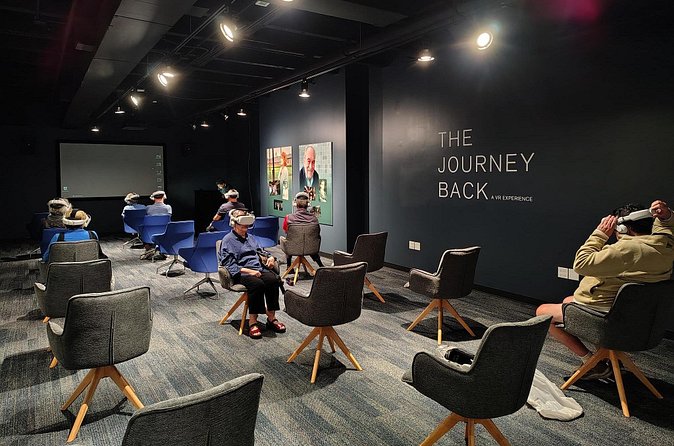
The VR stop is called the Northern Trust Virtual Reality Theater. Instead of focusing on big abstract history alone, it brings you alongside survivors through childhood hometowns and places of hiding. That choice changes how the story lands. You are not only learning what happened, you are witnessing how life looked and felt before and during persecution.
VR is often over-hyped, so here is how to approach it so it works for you. Treat it like a guided testimony experience, not like entertainment. Let the scenes play, then take a breath after. If you go in ready to pay attention, you will likely walk away with a stronger sense of how ordinary spaces can become dangerous.
If you are the type who wants facts as well as emotion, you will probably appreciate what comes next in the museum. The VR is powerful, but it is also only one component of the full exhibition experience.
ITW Stories of Survival: Object, Image, Memory
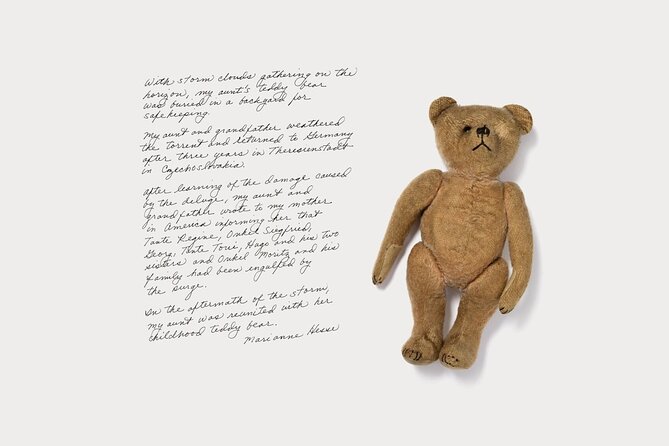
After VR, you enter the ITW Stories of Survival: Object. Image. Memory exhibition. This is where the museum leans into the specific and personal. You see how memory can be carried through items, visuals, and written testimony.
This part is valuable because it slows things down after the technology. VR can be intense, even when the content is moving carefully. Object-based and testimony-based exhibits give you room to absorb at your own pace. They also offer a different kind of learning, one that supports your questions. If you come out of the VR theater feeling stunned or unsure what you just saw, this exhibition can help you place it emotionally and historically.
Bring a tissue box vibe here, at least mentally. The tone is somber and it can hit you in the gut. You do not have to be dramatic about it, just be prepared for it.
Holographic Conversations With Survivors: Ask, Listen, Reflect
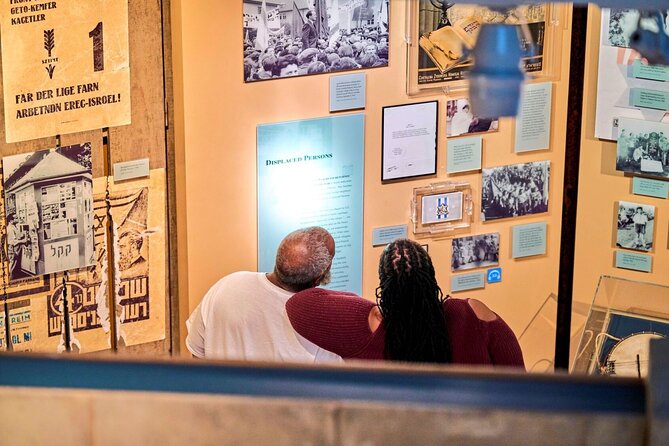
The emotional center of the experience is the holographic conversations with Holocaust Survivors. The museum describes it as groundbreaking holographic technology that creates interactive conversations bridging past and present.
What you should take seriously here is the prompt to ask questions. Some visitors specifically emphasize that you should not be afraid to ask lots of questions in the hologram exhibit. That is a rare gift in a museum setting, because it turns a fixed presentation into a dialogue moment. If something puzzles you, or if you want context, this is where you can request it in a respectful way.
I also like the way the experience is framed. It is not only about learning what happened. It is designed to foster empathy, respect, and hope. That does not erase the horror, but it does give you a direction for how to carry the experience out into your day afterward.
Beyond the skyline, the neighborhoods have their own tours and their own stories.
- Chicago Architecture River Cruise★ 5.0 · 15,756 reviews
- Chicago River 90-Minute Architecture Tour★ 4.5 · 9,629 reviews
- Chicago River: 1.5-Hour Guided Architecture Cruise★ 4.8 · 8,046 reviews
- Chicago: Gangsters and Ghosts Walking Tour★ 5.0 · 7,155 reviews
- Chicago Architecture Center River Cruise aboard First Lady★ 5.0 · 5,536 reviews
Time With Staff and the Museum Tour After VR
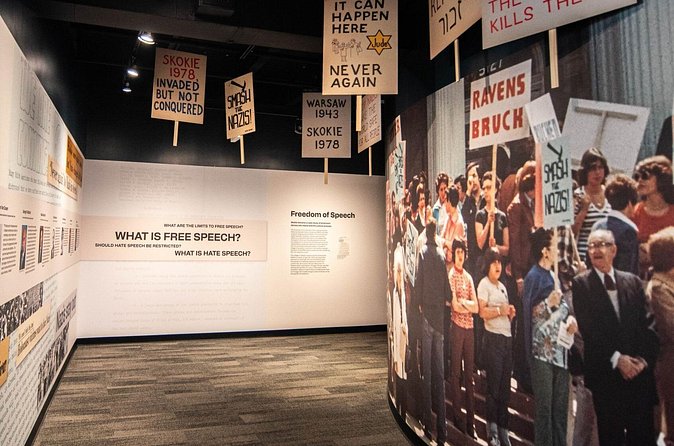
One of the most practical strengths is how much room there is for interaction with staff. The experience repeatedly signals that you can ask questions throughout, and the staff approach seems to be welcoming and responsive.
A few reviews highlight guided moments after the VR experience, including time in the main space guided by a staff member. You can think of it like this: VR gives you the shock and focus, then a guided museum walk helps you connect it to the rest of the exhibitions. If you are the kind of visitor who likes a bit of structure, that staff support can be the difference between leaving with vague impressions and leaving with a clear understanding.
If you do get a guide like Tom, who has been praised for doing a spectacular job, or staff like MJ and Val, who were noted for being informative and kind, you will likely appreciate the added context. Even if your session has different staff, the overall style seems to be patient, thoughtful, and ready for questions.
Price, Duration, and Ticket Type: Simple and Worth Planning For
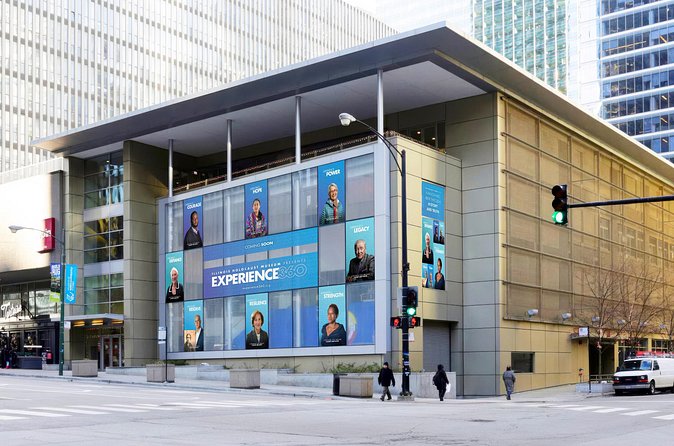
Let’s talk value in a grounded way. At $12 per person, this is not a small purchase, but it is also not a “splurge” ticket. The main reason it feels like good value is that admission to Experience360 includes access to all museum exhibitions. So you are not paying just for VR and holograms, you are paying for a full museum learning loop.
The ticket is mobile, and confirmation comes at booking time. That reduces friction when you arrive. And because the experience is often booked ahead, with an average booking window of 15 days, I recommend reserving in advance if you can. It is one of those experiences where you want to control your time, not just hope.
In terms of pacing, plan for 1 to 2 hours if you want to do the full Experience360 core plus at least a chunk of exhibitions. If you only want the main technology and a quick look around, you might finish closer to the low end. If you stop often to read, ask questions, or take your time with testimonies, you will stretch toward 2 hours and maybe beyond.
What to Expect During a Respectful, Emotion-Forward Visit
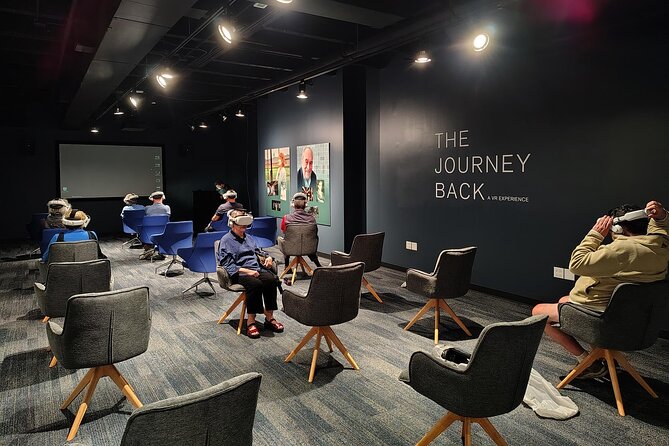
This is not a speed-run museum experience. It is designed for reflection. That shows up in the content choices and the format. You have:
- an orientation gallery to set context
- a VR theater that focuses on survivors’ places of life and hiding
- a testimony-centered object and memory exhibit
- holographic conversations that invite interaction
So the emotional load is not sudden and random. It builds in a deliberate way. If you want to make it easier on yourself, do this:
- Go in with a calm schedule, no rush after.
- Give yourself time after to decompress.
- Bring tissues, or at least plan for some tissues to be helpful.
Also, it is near public transportation, which matters when you are planning a day in Chicago without adding stress. Most travelers can participate, but because it is not recommended for children under 12, families should think carefully about whether the tone and pace match the kids’ needs.
Who Experience360 Fits Best
This is best for:
- history lovers who want more than dates and facts
- visitors who like interactive exhibits and guided flow
- anyone who values clear opportunities to ask questions
It may be less suitable for:
- families with children under 12, since it is not recommended for that age group
- visitors who prefer light, purely visual attractions and want to avoid emotional testimony
If you are traveling with teens or older students, it can be meaningful, especially if you can talk afterward. If you are traveling with adults who care about human stories and real reflection, this will likely feel like a visit you remember for a long time.
Should You Book Illinois Holocaust Museum Experience360?
If you want a museum visit that is structured, interactive, and emotionally grounded, yes, I would book Experience360. The $12 price makes it accessible, and the big advantage is that the ticket includes access to all museum exhibitions, so you are not limited to the technology alone.
Also, if you like asking questions, this is a good fit. The experience explicitly encourages questions during the hologram moment and throughout the visit, and the staff presence seems to be a core part of the impact.
If you are traveling with very young kids or you know you want something upbeat and casual, you might choose a different attraction and keep your day lighter. This museum experience is powerful, and it deserves your attention.
FAQ
How much is the Illinois Holocaust Museum Experience360 admission?
It is $12.00 per person.
How long does the Experience360 visit take?
Plan for about 1 to 2 hours.
What does the ticket include?
The admission ticket included grants access to all of the museum’s exhibitions, along with the Experience360 activities.
What technology is included in Experience360?
You get access to the Northern Trust Virtual Reality Theater and the interactive holographic conversations with Holocaust Survivors.
What time is it open?
During 08/26/2025 to 02/16/2027, it is open Monday through Sunday from 10:00 AM to 5:00 PM.
Is this suitable for children?
It is not recommended for children under 12.
Can I use a mobile ticket?
Yes. The ticket is mobile.
Is cancellation free?
Yes, there is free cancellation. You can cancel up to 24 hours in advance for a full refund.
Are service animals allowed?
Yes, service animals are allowed.
Just Added






Museums, compared.
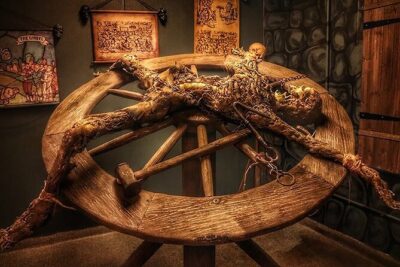
Medieval Torture Museum Ticket with Audio Guide and Ghost Hunting
Read our review →
Field Museum of Natural History Ticket or VIP Tour
Read our review →
Field Museum of Natural History Admission Tickets
Read our review →

2-Hour Chicago Lakefront & Museum Campus Segway Tour
Read our review →
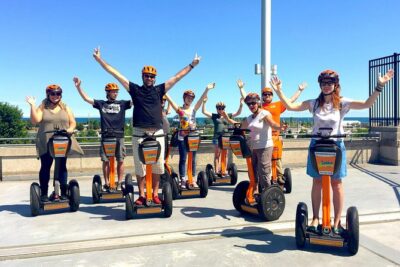
Chicago Landmarks & Museum Campus Small Group Segway Tour
Read our review →Browse the lists this tour appears in