
Reviewed · MUSEUMS
Chicago: Museum of Illusions Timed Entrance Ticket
Your eyes will argue with your brain. This timed ticket gets you into Chicago’s Museum of Illusions at the Loop, where 60+ interactive exhibits play tricks on perception through gravity, size, space, and perspective rooms. I especially like the hands-on design, because you are not just watching an illusion, you are testing it. One possible drawback is that the experience is designed to run in about 45 to 60 minutes, so if you want to linger, you may feel slightly rushed.
For me, the best part is how the museum builds a clear path of experiences, from iconic rooms like the Tilted Room and Ames Room to the playful Smart Playroom at the end. You will get a lot of memorable photo moments without needing to plan much, because the set pieces are made for posing and filming. Just be aware the ticket does not include food, and the museum does not allow food and drinks inside, so you’ll want to eat before or after.
In This Review
- Key takeaways before you go
- A timed entrance that keeps the day moving
- 60+ exhibits, mapped out by rooms that fool your brain
- The Tilted Room, gravity that feels wrong
- The Ames Room, growing and shrinking in real time
- The Rotated Room, walking on walls without the safety net
- Infinity Room, the feeling of endless space
- Vortex Tunnel, where your mind gets confused on purpose
- Beuchet Chair, your silhouette goes on trial
- Clone Table, double vision in a single pose
- Smart Playroom: puzzles that keep the fun brainy
- How to get the best photos without turning it into work
- Family logistics: who this works best for
- Price and value: is $40 per person worth it?
- What to do with your time in the Loop
- Should you book the Museum of Illusions Chicago?
- FAQ
- How long does the Museum of Illusions visit take?
- Where do I check in for my timed ticket?
- Is the ticket only valid for the time I select?
- Does the ticket include the exhibits?
- Are food and drinks included or allowed?
- Are young children free?
- Is there a Smart Shop on site?
- Is the museum wheelchair accessible?
- What languages are available?
Key takeaways before you go
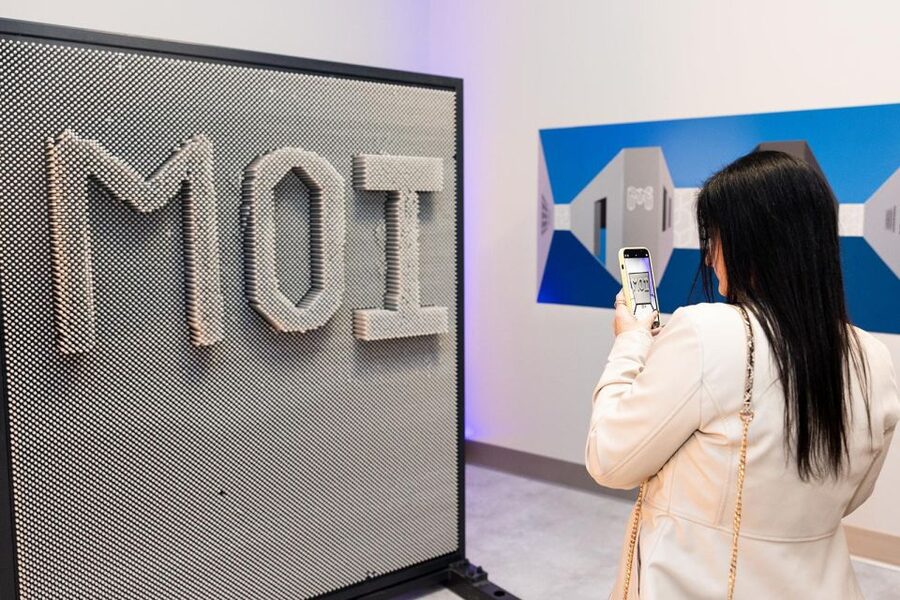
- 60+ exhibits in a compact visit designed to fit a tight 45 to 60 minute session
- Interactive rooms including gravity, size, and impossible space setups
- Photo-op friendly environments so you can experiment with angles and reactions
- Smart Playroom games that target memory, cognition, and problem-solving
- Helpful staff for photography including support for solo visitors
A few more ways to spend a day in Chicago
A timed entrance that keeps the day moving

The Museum of Illusions is in the Chicago Loop, and the timed entrance ticket is the easiest way to experience it without wasting time guessing when to show up. You check in at the front desk and mention your booking name, then you’re routed into the museum’s flow of rooms and exhibits.
For a first visit, this matters. Illusion museums work best when you go from one trick to the next with fresh eyes, not after you’ve already waited around, wandered, and gotten tired. The ticket is valid only for your booked date and time, so you’ll want to arrive a bit early, not because you’ll need extra time, but because it reduces stress.
60+ exhibits, mapped out by rooms that fool your brain
This museum is built around one idea: perception is not reality. The exhibits focus on vision, perception, and how the human brain interprets what your eyes report. Instead of treating illusions like magic tricks, the rooms show you the mechanics you can feel with your own body.
Here are the big highlights to plan around, so you know what to seek the moment you walk in:
The Tilted Room, gravity that feels wrong
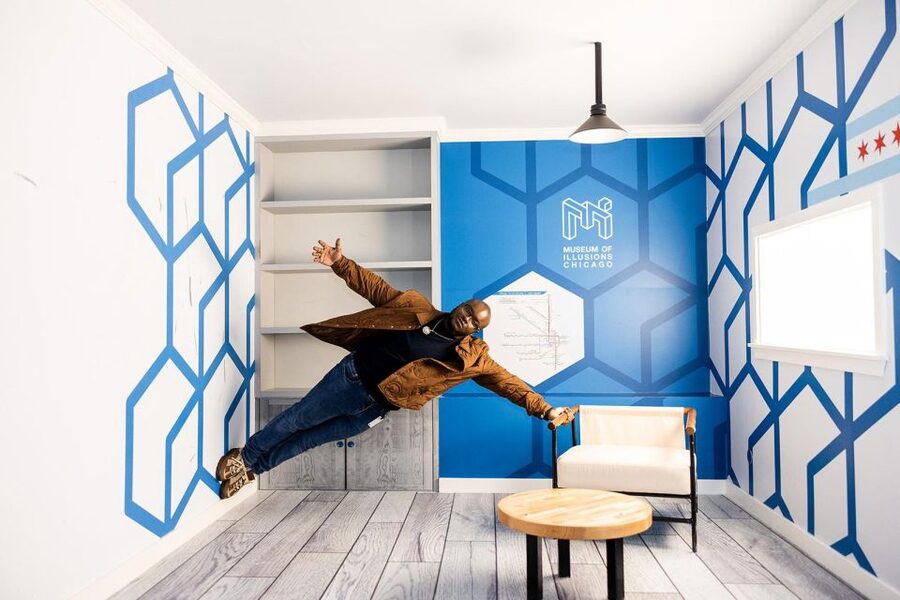
In the Tilted Room, you defy gravity by trusting your eyes and your body at the same time. The room is designed so your posture and the camera angle both matter, which is why it is such a popular photo stop. If you like interactive experiences where you can control the outcome with your position, this one is a must-do.
Practical tip: take a few shots from different angles before you move on. Small shifts can change what looks impossible.
The Ames Room, growing and shrinking in real time
The Ames Room is the standout illusion for size. The setup can make you feel like you are changing scale as you move through it. It is one of the clearest reminders that the brain fills in gaps, even when the math is staring you in the face.
If you are with kids, this is a great “turn it into a game” room. Ask who looks bigger first, then switch sides and compare.
The Rotated Room, walking on walls without the safety net
In the Rotated Room, you walk on walls, and your brain gets very upset about what it thinks is up. The illusion is mostly about alignment and perspective, which makes it a fun challenge for anyone who likes to test theories, even casually.
When you try this, slow down. The room can look stable in photos, but your actual balance will depend on how you step in.
Beyond the skyline, the neighborhoods have their own tours and their own stories.
- Chicago Architecture River Cruise★ 5.0 · 15,756 reviews
- Chicago River 90-Minute Architecture Tour★ 4.5 · 9,629 reviews
- Chicago River: 1.5-Hour Guided Architecture Cruise★ 4.8 · 8,046 reviews
- Chicago: Gangsters and Ghosts Walking Tour★ 5.0 · 7,155 reviews
- Chicago Architecture Center River Cruise aboard First Lady★ 5.0 · 5,536 reviews
Infinity Room, the feeling of endless space
The Infinity Room gives you infinite space effects, which is great for photos that look like a tunnel into somewhere else. This is also a room where framing matters. If you set your camera low or high, you will get a different mood and different illusions.
If you’re traveling with friends, take turns. One person can pose while the other adjusts the angle, and suddenly it feels like your own mini photoshoot.
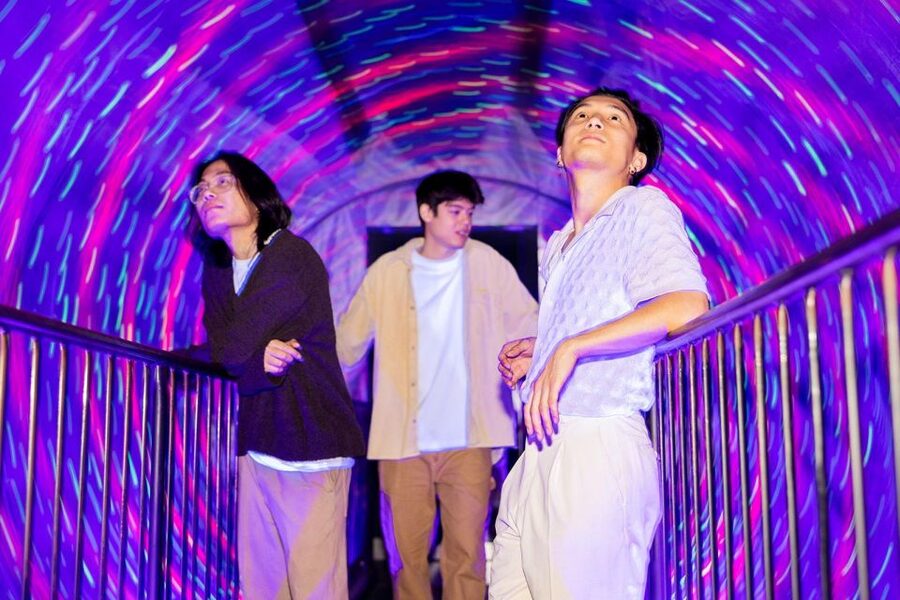
Vortex Tunnel, where your mind gets confused on purpose
The Vortex Tunnel is built to scramble your sense of motion and direction. It is a good reset between rooms that rely more on body position, because your reaction is mostly about your senses.
If you are prone to motion discomfort, go slower, and be ready to step out and regroup after a couple of tries.
Beuchet Chair, your silhouette goes on trial
The Beuchet Chair is another strong “how is this even possible” stop. It’s a classic style of illusion that changes what your brain expects your body shape to look like. It works well even if you’re not spending much time on photography, because the reaction is immediate.
Clone Table, double vision in a single pose
The Clone Table is where you meet your doppelgangers. This is one of the most shareable photo experiences, especially for families, couples, and groups who want something fun and slightly weird.
For best results, line up where the illusion expects you to stand. If you wander too far, the effect can weaken.
Smart Playroom: puzzles that keep the fun brainy
After the big rooms, you’ll reach the Smart Playroom, a zone made for games that stimulate cognition. The idea is simple: you can turn the museum theme into a skill challenge, with activities that support memory, problem-solving, and general cognitive focus.
This is also where the visit becomes more than a photo walk. You are still using perception, but now you’re using memory and attention too. The games also support friendly competition, which is a big deal if you’re visiting with family or bringing along someone who needs a reason to stop taking selfies and start playing.
There’s also a puzzle room experience at the end that adds a bonus layer to the visit. If you like logic challenges, this is your payoff.
How to get the best photos without turning it into work

One reason people love this museum is that the illusion set pieces make photography easy, not fussy. You’ll find off-the-wall photo opportunities around corners, and many of the rooms practically invite you to pose in certain ways.
Here’s how I’d approach it if you want great results without burning your whole visit on one spot:
- Start with the body-heavy rooms first, like Tilted, Ames, Rotated, and Clone. These take a little time for repositioning.
- Then do the camera-friendly spaces like Infinity Room, where framing is everything.
- Use the rest of your time for the smaller exhibits and the Smart Playroom, where you can keep moving while still getting content.
Also, don’t ignore the help. The staff are described as available and pleasant, and they have helped with photography, including support for solo visitors. If you are traveling alone, ask right away for a quick photo check so you’re not stuck with blurry experiments later.
Family logistics: who this works best for
This museum is family-friendly, and it is built to keep different ages engaged. The core illusions are physical and visual, so kids often jump in faster than adults do. Parents tend to like that the exhibits encourage play while still teaching something about how the brain sees.
The experience is designed for a 1-day visit, but plan for a single focused visit window of about 45 to 60 minutes inside. If you go in expecting a full morning or afternoon museum crawl, you might feel like you’re done sooner than you planned.
Kids 4 and under are free and do not need a ticket, which can be a big savings for families. If your group includes younger children, you can spend a little extra time at the rooms they like most, without feeling like you missed the “main” attractions.
Price and value: is $40 per person worth it?

At about $40 per person, you’re paying for a ticket to a compact, interactive experience rather than a traditional museum day. That sounds expensive if you measure value by hours alone. But the museum is strong on density: you get 60+ exhibits, multiple high-impact rooms designed for interaction, and a play zone that adds a cognitive challenge.
Value improves if you are in one of these situations:
- You enjoy interactive attractions and photo-ready environments.
- You’re visiting as a family, where the rooms create instant shared fun.
- You have limited time in the Loop and want a high satisfaction activity that does not require a long commitment.
The museum does not include food and drinks, and food and drinks are not allowed inside. That’s not a dealbreaker, but it changes how you budget the day. Plan on eating nearby before you go, then return for the illusion portion.
What to do with your time in the Loop
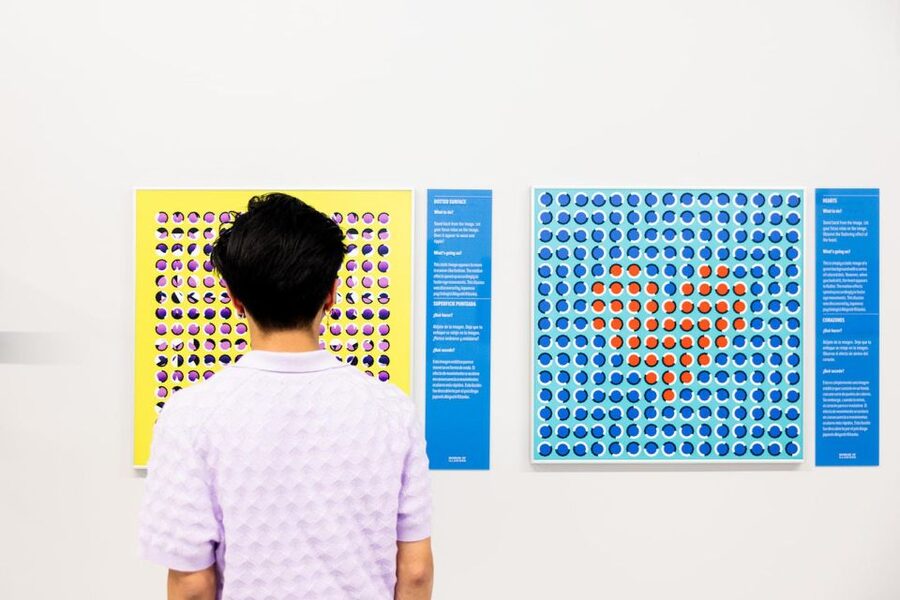
The museum sits in a convenient part of downtown, which makes it easy to pair with other Chicago stops. Since the core experience is around 45 to 60 minutes, you can build your day around it, rather than squeezing it into your schedule like a last-minute errand.
A smart approach:
- Book a timed entrance that matches your energy level. Morning and early time slots can feel easier if you like a calm start.
- Treat it like a concentrated activity, not a wandering museum.
- If you want extra time, allocate it to photos and the Smart Playroom, not to waiting.
Should you book the Museum of Illusions Chicago?
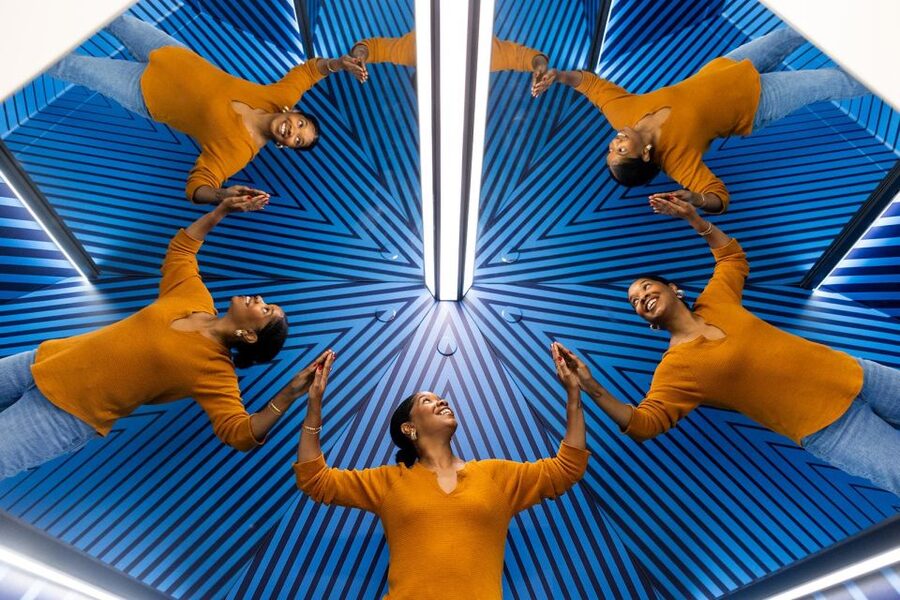
Book it if you want a fun, interactive brain exercise with strong photo moments and a clear set of illusion rooms you can actually try. The ticket value is better when you like hands-on experiences and when your group includes kids, teens, or anyone who enjoys turning senses into a game.
Skip booking only if you need a long, traditional museum-style visit, or if you get easily frustrated by quick timing and prefer hours of open-ended wandering. In this museum, the best experience comes from moving room to room and letting each trick land before you’re onto the next.
FAQ

How long does the Museum of Illusions visit take?
Plan for about a 45 to 60 minute experience inside the museum.
Where do I check in for my timed ticket?
Check in at the front desk and mention your booking name when you arrive.
Is the ticket only valid for the time I select?
Yes, your ticket is valid only for the date and time you booked.
Does the ticket include the exhibits?
Yes, your entrance ticket includes admission to the Museum of Illusions Chicago and all exhibitions.
Are food and drinks included or allowed?
Food and drinks are not included, and food and drinks are not allowed inside the museum.
Are young children free?
Children 4 and under are free and do not need a ticket.
Is there a Smart Shop on site?
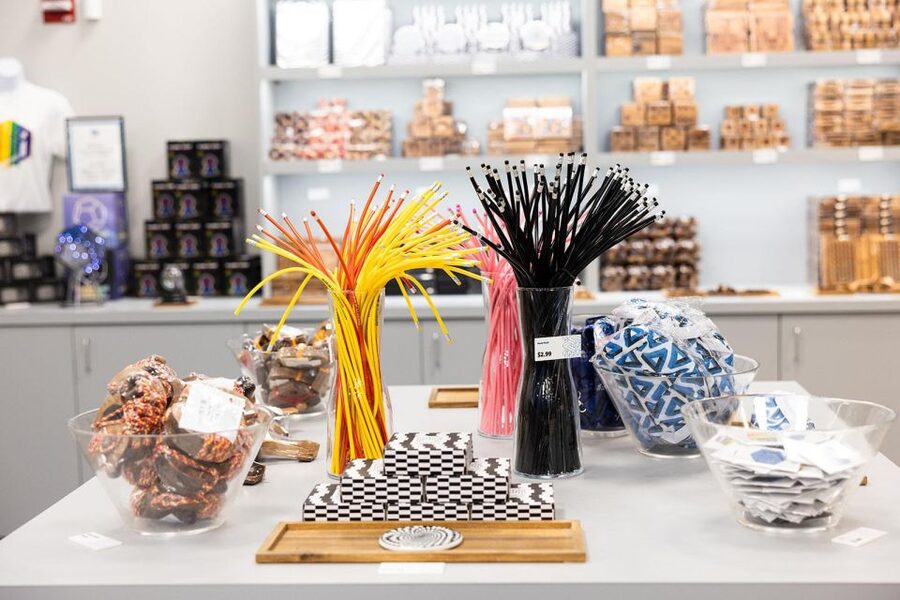
Yes, there is a Smart Shop onsite where you can buy items including many of the games you may find in the Smart Playroom, plus museum merchandise.
Is the museum wheelchair accessible?
Yes, the experience is wheelchair accessible.
What languages are available?
The host or greeter is listed as English, and the languages provided are English.
Just Added






Museums, compared.

Medieval Torture Museum Ticket with Audio Guide and Ghost Hunting
Read our review →
Field Museum of Natural History Ticket or VIP Tour
Read our review →
Field Museum of Natural History Admission Tickets
Read our review →

2-Hour Chicago Lakefront & Museum Campus Segway Tour
Read our review →


Chicago Landmarks & Museum Campus Small Group Segway Tour
Read our review →Browse the lists this tour appears in